Introduction to Photoelectric Sensors in Folding Machines
Photoelectric sensors are critical components in modern folding machines, widely used in the electrical and packaging industries. These sensors utilize light beams to detect the presence, position, or absence of materials such as paper, cardboard, or thin films during the folding process. In the context of electrical engineering, their precision and reliability directly impact machine efficiency, product quality, and maintenance costs. Understanding their working principles and applications is essential for optimizing folding machine performance.
Working Principle and Types of Sensors
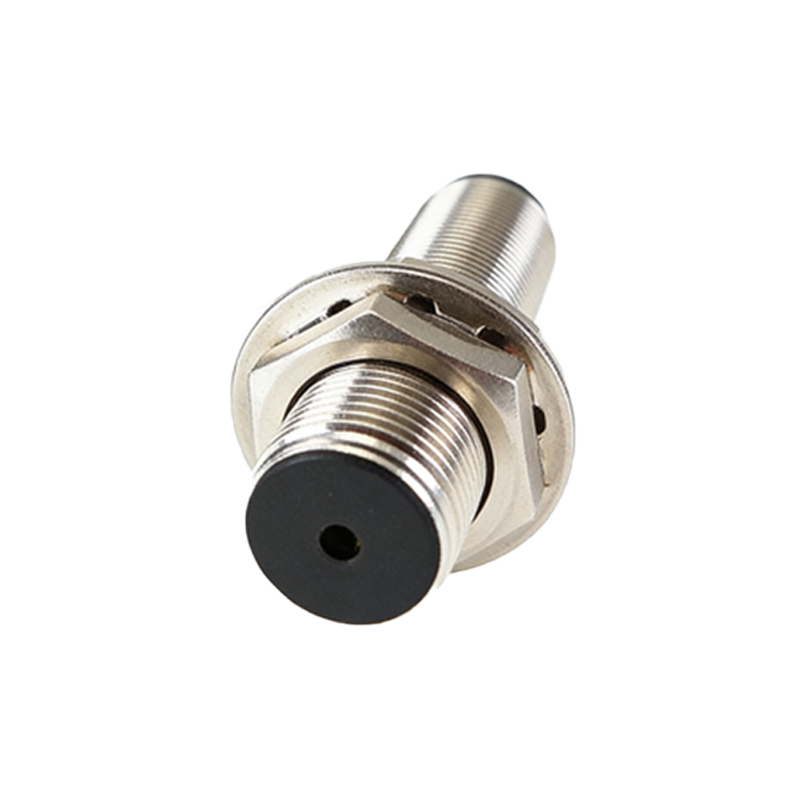
Photoelectric sensors operate by emitting a light beam (infrared, visible, or laser) and detecting changes in the received signal when an object interrupts or reflects the beam. Common types include through-beam sensors, retro-reflective sensors, and diffuse reflective sensors. Through-beam sensors offer long detection ranges and high immunity to contaminants, making them suitable for high-speed folding lines. Retro-reflective sensors are easier to install, while diffuse sensors excel in detecting irregular or transparent materials. Each type must be selected based on the material color, transparency, and surface texture to avoid false triggers.
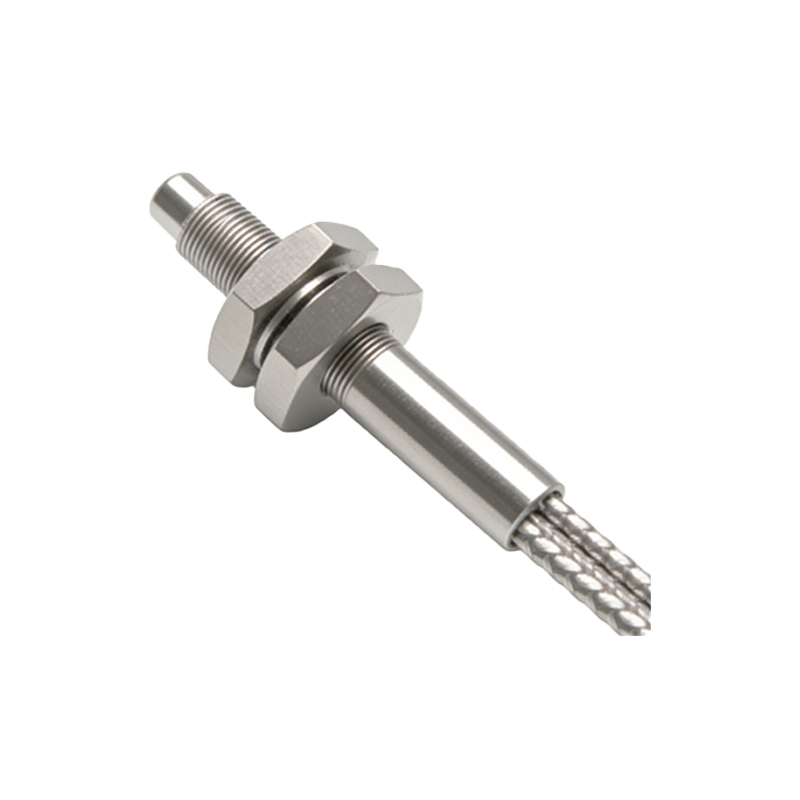
Key Applications in Folding Machine Automation
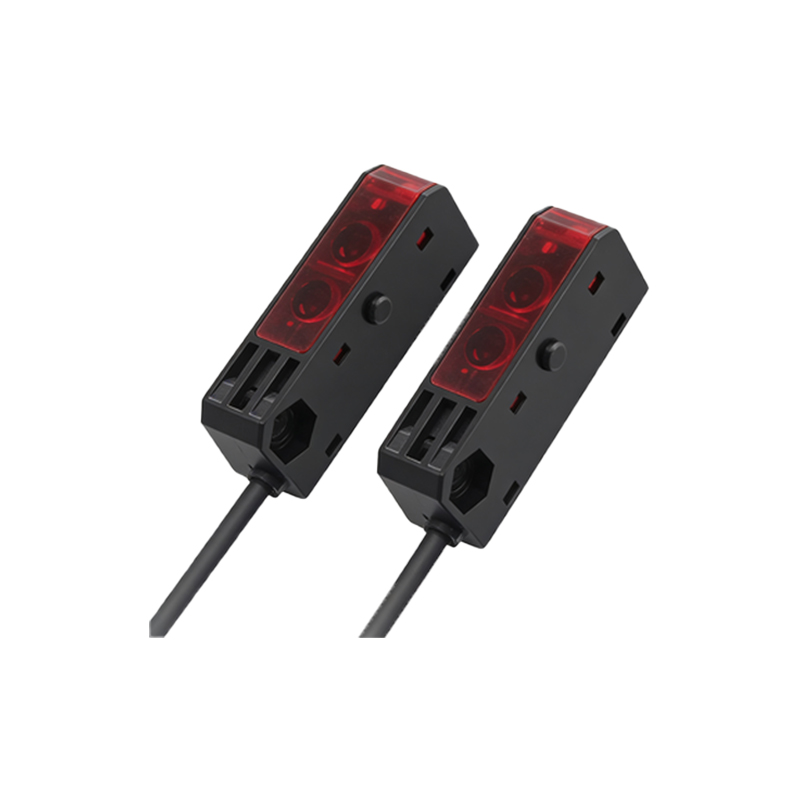
In folding machines, photoelectric sensors perform multiple tasks: sheet presence detection, paper jam prevention, fold count verification, and edge alignment control. For instance, a through-beam sensor at the input stage ensures that each sheet enters the folding station correctly, while retro-reflective sensors monitor the fold position to maintain accuracy. In high-speed operations, sensors with fast response times (below 1 ms) prevent material accumulation and reduce downtime. Additionally, sensors can be integrated with PLCs to adjust roller speed and pressure in real-time, enhancing overall system responsiveness.
Installation and Calibration Best Practices
Proper installation is crucial for sensor reliability. Engineers must ensure the sensor mount is vibration-resistant and aligned with the target material. Calibration involves adjusting the sensitivity threshold to distinguish between the material and background, especially when dealing with glossy or translucent substrates. Using a teach-in procedure can automate this process. Ambient light interference, such as from overhead LEDs, should be minimized by using sensors with modulated light or shielded housings. Regular cleaning of the sensor lens prevents dust or adhesive buildup, which is common in packaging environments.
Advantages Over Mechanical Switches
Compared to traditional mechanical limit switches, photoelectric sensors offer non-contact detection, eliminating wear and tear. This reduces maintenance frequency and extends system lifespan. They also provide higher speed and accuracy, critical for folding machines operating at over 200 sheets per minute. Furthermore, their ability to detect thin or fragile materials without physical contact prevents product damage, a key advantage in high-value printing and electrical component packaging.
Troubleshooting Common Sensor Issues
Common issues include false triggering due to reflective backgrounds, signal loss from misalignment, or sensor failure from environmental contaminants. Engineers should first check the alignment and then verify the power supply voltage. For dust-covered sensors, use compressed air or isopropyl alcohol for cleaning. If the sensor still malfunctions, test with a known good unit to isolate the problem. Many modern sensors include diagnostic LEDs for quick status checks, simplifying field troubleshooting.
Future Trends and Integration with Industry 4.0
The next generation of photoelectric sensors will feature IO-Link communication, enabling real-time data exchange with central control systems. This allows predictive maintenance by monitoring sensor performance trends, such as signal strength degradation. Additionally, smart sensors with self-diagnostic capabilities can automatically adjust parameters for varying material types. Integration with machine vision systems will further enhance fold accuracy and defect detection, aligning with Industry 4.0 requirements for fully automated, self-optimizing production lines.