Understanding the Application Context
Swing doors are common in industrial, commercial, and residential settings, requiring reliable automation for safety and efficiency. Photoelectric sensors, specifically through-beam or retro-reflective types, are preferred for detecting door position, obstruction, or opening/closing cycles. As an electrical engineer, you must consider door swing radius, mounting surface material, and ambient light interference. For example, in a warehouse with heavy traffic, sensors must withstand vibration and dust. The sensor's response time should match the door actuator speed—typically under 50 ms for safety applications. Ensure the sensor's output type (PNP or NPN) aligns with the controller input. Use shielded cables to minimize electromagnetic interference from nearby motors or drives.
Selecting the Right Sensor Type
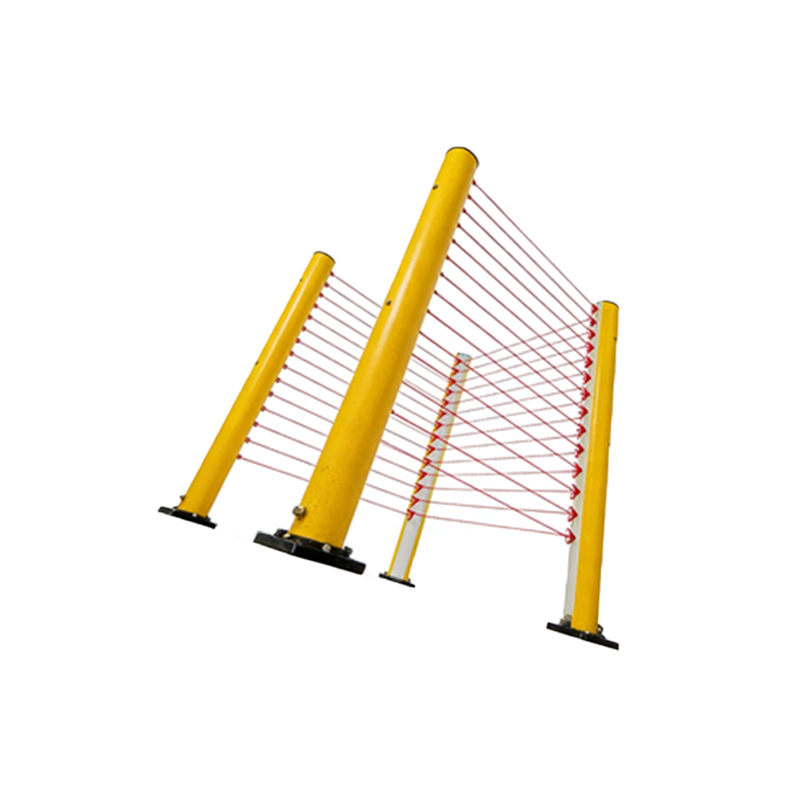
For swing doors, through-beam sensors offer the longest range and highest immunity to contamination but require alignment of emitter and receiver on opposite sides of the door frame. Retro-reflective sensors are simpler to install, needing only one unit and a reflector, but may suffer from false triggers due to reflective surfaces like polished floors. Diffuse sensors are less suitable for swing doors due to their limited range and sensitivity to door color or texture. Evaluate the door's opening angle—sensors must detect the door edge through the full swing arc. For bi-directional doors, dual sensors or a single sensor with a logic controller may be necessary. Always check the sensor's ingress protection rating; IP67 is recommended for outdoor or dusty environments.
Mounting and Alignment Procedures
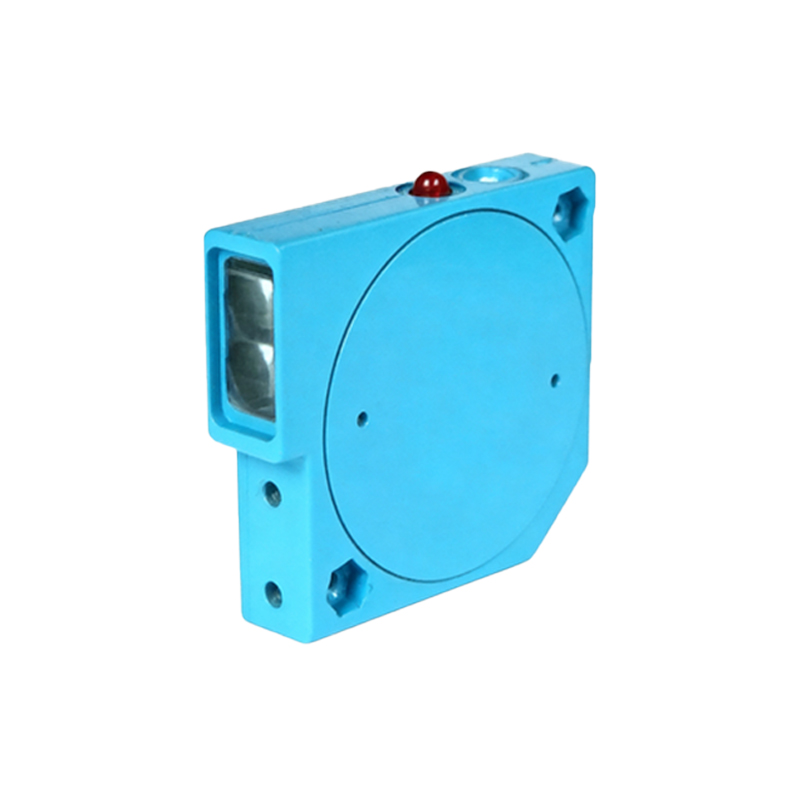
Mount the sensor on a rigid bracket to prevent misalignment from door movement. For through-beam sensors, align the emitter and receiver facing each other across the door gap, with the beam axis perpendicular to the door edge at its fully closed position. Use a laser alignment tool if available. For retro-reflective sensors, mount the sensor on the door frame and the reflector on the opposite frame, ensuring the beam path is free of obstructions. The sensor's sensing distance should exceed the door's travel distance by at least 20% to account for thermal expansion or mechanical wear. Secure all cables with strain reliefs and avoid sharp bends. After mounting, test the sensor by manually opening and closing the door while monitoring the output signal with a multimeter or PLC indicator.
Wiring and Integration with Control Systems
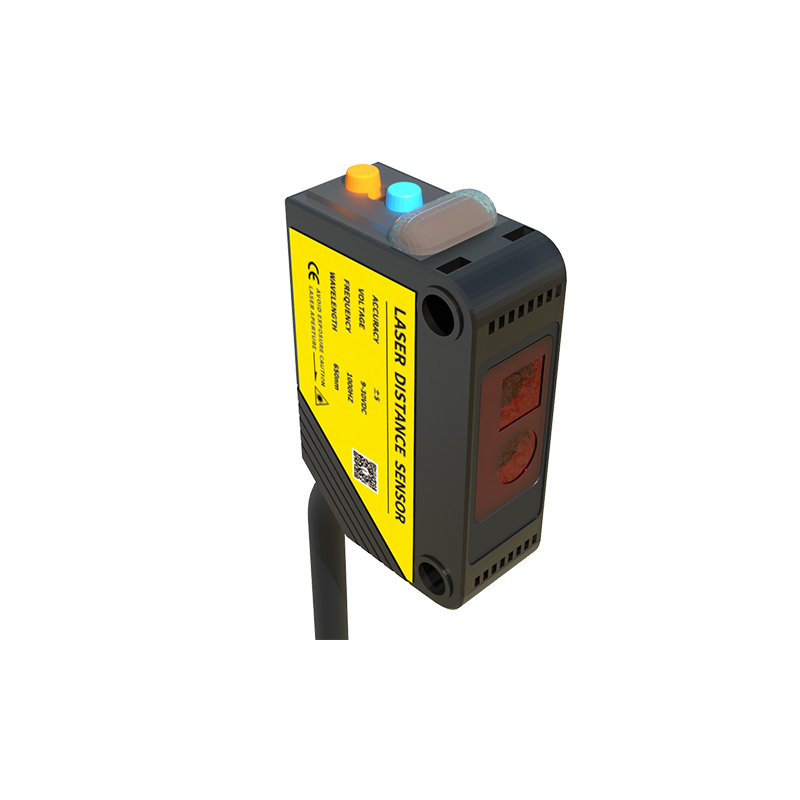
Connect the sensor's power supply (typically 12–24 VDC) to a regulated source, using a fuse or circuit breaker for protection. Wire the output to the door controller's digital input, ensuring compatibility with the controller's voltage level. For safety-critical applications, use a dual-channel sensor or redundant sensors with a safety relay. Implement a debounce timer in the PLC software to filter out transient signals from door vibration. For example, set a 10 ms debounce delay. If the sensor triggers a door reversal function, the controller must prioritize this signal over the open command. Test the integration by simulating obstructions and verifying the door's response meets relevant standards like EN 12453 or UL 325.
Calibration and Troubleshooting Common Issues
After installation, calibrate the sensor sensitivity using its potentiometer or teach-in button. For through-beam sensors, adjust the sensitivity to detect a 20 mm diameter object at the farthest door position. Common issues include false triggers from sunlight or reflections—use sensors with modulated light (e.g., infrared) or add a hood. If the sensor fails to detect the door, check for misalignment, dirty lenses, or voltage drop. Clean lenses with a soft cloth and isopropyl alcohol. For intermittent failures, log the sensor's output with an oscilloscope to identify noise patterns. Replace any damaged cables or connectors, and ensure the grounding is secure. Document all settings and test results for future maintenance.
Safety and Compliance Considerations
In industrial settings, photoelectric sensors on swing doors often serve as presence detectors to prevent pinch injuries. Ensure the sensor's response time and detection zone comply with the risk assessment of the door system. For example, a sensor with a 20 ms response time may not be safe for high-speed doors. Use safety-rated sensors with a redundant output and a self-checking function for SIL 2 or PL d applications. Label the sensor mounting area with warning signs and keep the sensor's manual accessible. Regularly inspect the sensor alignment and lens condition during scheduled maintenance. If the door is part of an emergency exit path, the sensor must not interfere with manual operation.