Introduction to Photoelectric Sensors
In industrial automation, photoelectric sensors are essential for object detection, positioning, and counting. These sensors rely on light emission and reception to detect changes in the environment. A key component within these sensors is the photosensitive board, which directly influences performance, sensitivity, and reliability. Without a well-designed photosensitive board, even the most advanced sensor housing would fail to provide accurate results.
What is a Photosensitive Board?
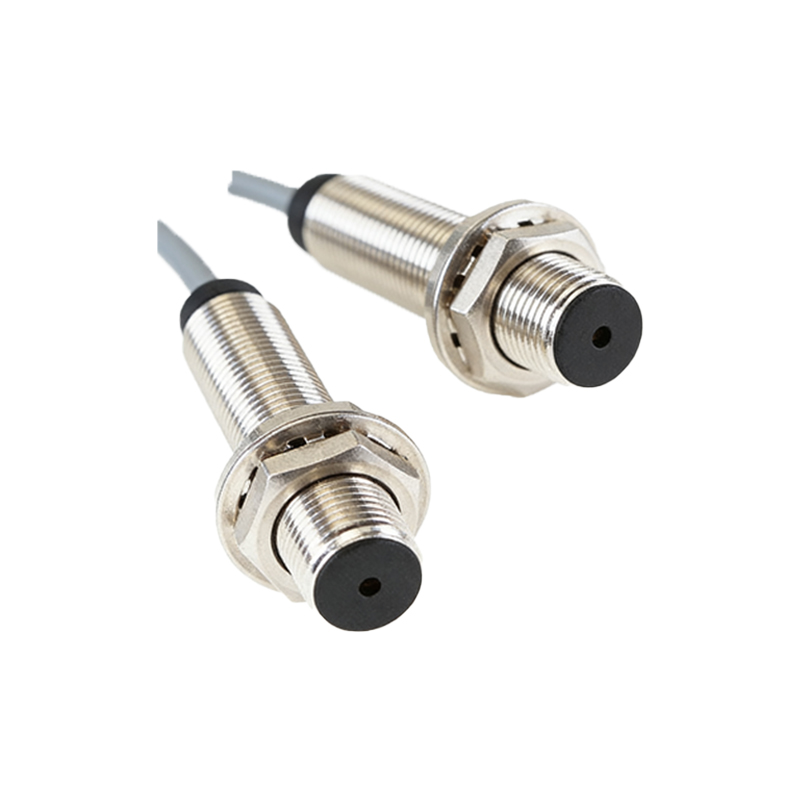
The photosensitive board, also known as the light-sensitive array, is a printed circuit board (PCB) embedded with photodetectors, such as photodiodes or phototransistors. It converts incoming light signals into electrical voltage or current variations. This board is typically located behind the lens or optical window of the sensor. Its material, layout, and shielding significantly affect noise levels and response time.
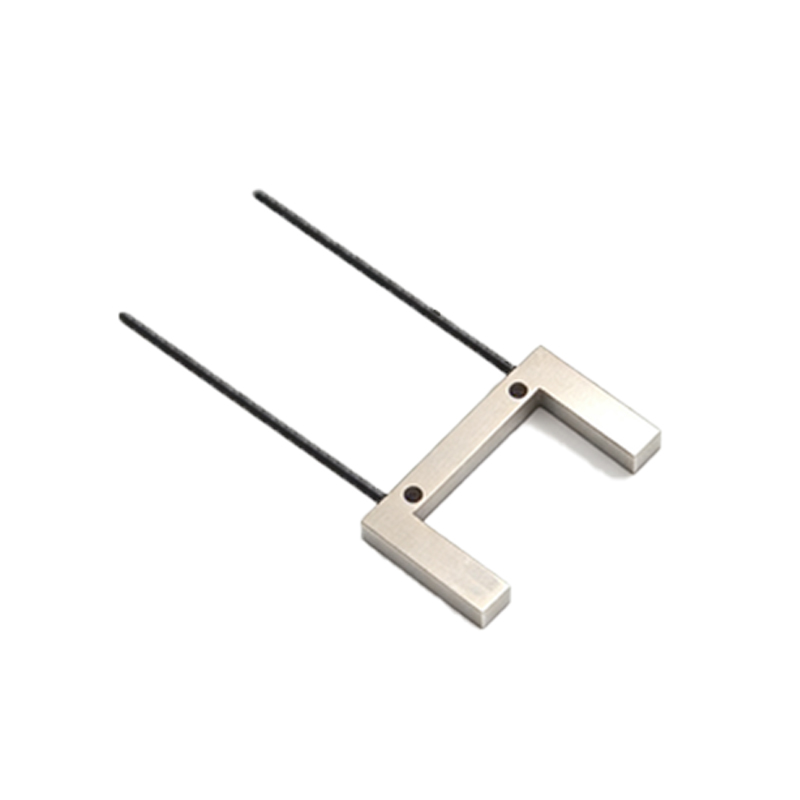
Core Function: Light-to-Signal Conversion
The primary role of the photosensitive board is to transform optical energy into an electrical signal that the sensor’s microcontroller can process. When light strikes the photodetector surface, electron-hole pairs are generated, creating a measurable current. The board’s circuit design must minimize leakage current and parasitic capacitance to ensure linearity across varying light intensities. This conversion speed directly impacts the sensor’s maximum detection frequency.
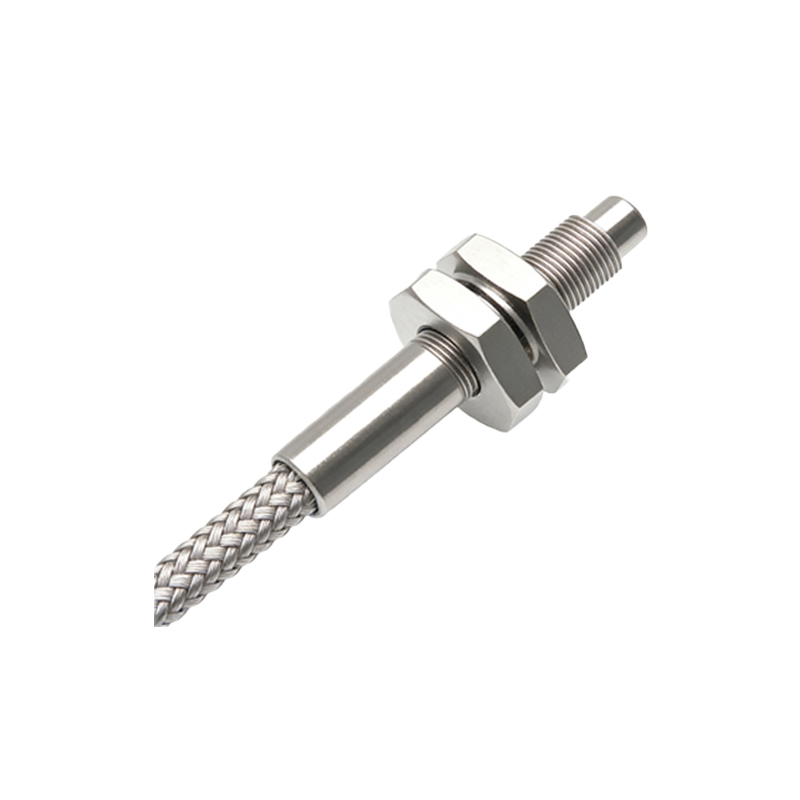
Impact on Sensitivity and Detection Range
Sensitivity is often defined as the minimum detectable light intensity. The photosensitive board’s photodiode dark current, active area size, and spectral response determine this threshold. For long-range sensing, the board must integrate low-noise amplifiers and optical filters to reject ambient interference. Engineers select materials like silicon or InGaAs based on the target wavelength of the emitter, ensuring optimal signal-to-noise ratio.
Role in Noise Suppression and Stability
Industrial environments introduce electrical noise from motors, inverters, and nearby power lines. The photosensitive board must incorporate proper grounding, guard traces, and shielded layers to prevent false triggers. Additionally, temperature drift is a major concern; the board’s components should have low thermal coefficients. Many modern designs include on-board compensation algorithms stored in the microcontroller, but the hardware foundation remains critical for stable operation.
Influence on Response Time and Speed
For high-speed applications like conveyor belt counting at speeds above 10 kHz, the photosensitive board must exhibit a fast rise and fall time. The photodiode’s junction capacitance and the load resistance on the board directly control the RC time constant. Engineers often use photodiodes in photovoltaic mode for faster response, sacrificing some output linearity. The board layout must also minimize trace inductance to avoid ringing.
Integration with Microcontroller and Output
The processed electrical signal from the photosensitive board is sent to the sensor’s microcontroller for decision-making. This board often houses analog-to-digital converters (ADCs) or threshold comparators. Its output stage can be discrete, such as NPN or PNP transistors, depending on the customer’s PLC requirements. Proper impedance matching on the board ensures that signal integrity is maintained over cable runs of up to 100 meters.
Material Selection and Durability
The substrate of the photosensitive board is typically FR-4 or polyimide, chosen for thermal and mechanical stability. In harsh industrial settings, conformal coatings protect the board from moisture, dust, and chemical vapors. The photodetector’s protective window must also be aligned precisely during assembly to avoid light piping or shadowing. These mechanical considerations are as vital as the electrical design for long-term reliability.
Conclusion and Future Trends
The photosensitive board is the heart of any photoelectric sensor, governing detection accuracy, speed, and robustness. As Industry 4.0 demands smarter sensors, future boards may integrate on-chip signal processing and wireless communication modules. Understanding the board’s role helps maintenance engineers diagnose sensor faults and helps design engineers create more reliable automation systems.