1. Introduction to Photoelectric Sensors
Photoelectric sensors are essential components in modern industrial automation, converting light signals into electrical signals to detect objects, distances, and presence. These devices operate based on the principle of emitting light (usually infrared, visible red, or laser) and analyzing the received light. As a trusted solution in manufacturing, packaging, and logistics, their reliability and precision drive efficiency. Mainstream models from brands like SICK, Omron, and Banner offer diverse configurations for varying environments. Understanding their core types—through-beam, retro-reflective, and diffuse—is crucial for optimal selection.
2. Through-Beam Sensors: Long-Range Precision
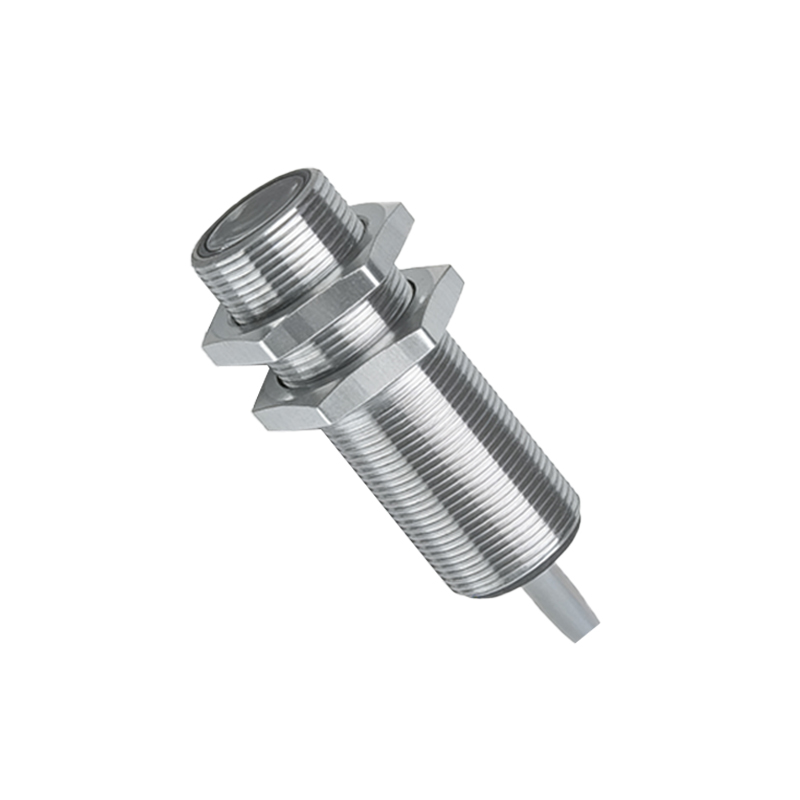
Through-beam sensors consist of a separate emitter and receiver aligned opposite each other. They provide the longest detection range (often up to 30 meters) with high immunity to contaminants like dust or fog. This design ensures stable detection even with small or transparent objects. Applications include conveyor belt monitoring, material handling, and safety barriers. Key specifications include response time (typically under 1 ms) and operating voltage (10-30 VDC). Their main limitation is the need for two mounting points, which can increase installation complexity. For harsh environments, IP67-rated housings are recommended.
3. Retro-Reflective Sensors: Efficient and Versatile
Retro-reflective sensors integrate both emitter and receiver in one unit, using a reflector to bounce the light beam back. They offer a mid-range detection capability (up to 10 meters) and simplify wiring compared to through-beam types. These sensors excel in detecting reflective or shiny objects, but can struggle with highly absorptive materials. Polarized models reduce false triggers from glossy surfaces. Common uses include packaging line counting, warehouse door control, and automotive assembly. Signal strength indicators and adjustable sensitivity (e.g., potentiometer or teach-in) enhance flexibility. Background suppression variants improve reliability in cluttered environments.
4. Diffuse Sensors: Compact and Cost-Effective
Diffuse sensors detect objects by the light reflected directly from the target surface. They require only one device, making them compact and easy to install. Detection range is shorter (typically 100 mm to 2 meters) and depends heavily on target color, texture, and reflectivity. Background suppression models use triangulation to ignore distant surfaces, improving accuracy. These are ideal for small part detection, label presence verification, and robotic end-effector feedback. Energy-efficient LED emitters and digital outputs (PNP/NPN) are standard. For transparent objects, specialized diffuse sensors with automatic gain control are available.
5. Advanced Features in Modern Sensors
Current mainstream photoelectric sensors incorporate smart features for Industry 4.0. IO-Link communication enables real-time data exchange and remote parameter adjustment. Laser-based emitters provide pinpoint accuracy for micrometer-level positioning. Many models offer multi-function outputs (e.g., switching plus analog) and ambient light compensation. Environmental resilience is enhanced with stainless steel housings and IP69K ratings for washdown areas. Additionally, self-diagnostic functions alert operators to lens contamination or misalignment. These innovations reduce downtime and improve overall equipment effectiveness (OEE). Engineers should prioritize compatibility with existing PLCs and fieldbus systems.
6. Selection Criteria for Industrial Applications
Choosing the right photoelectric sensor requires evaluating detection range, object material, environmental conditions, and mounting constraints. For dusty or wet environments, through-beam or retro-reflective sensors with high gain are preferable. For space-limited setups, diffuse sensors with background suppression offer flexibility. Consider ambient light levels, as some sensors are more sensitive to sunlight or artificial lighting. Output type (push-pull, NPN, PNP) must match control system requirements. Budget considerations also play a role, though investing in reliable brands reduces lifecycle costs. Always review datasheets for key parameters like ambient temperature range (-25°C to 55°C typical) and protection class.
7. Maintenance and Troubleshooting Tips
Regular maintenance extends sensor lifespan. Clean lenses with a soft, lint-free cloth and isopropyl alcohol to prevent false signals. Verify alignment periodically, especially for through-beam and retro-reflective setups. Check wiring for loose connections or corrosion in harsh environments. Common issues include intermittent detection due to vibration or thermal drift, which can be mitigated by using locking brackets and thermal compensation features. For IO-Link enabled sensors, monitor diagnostic data via software to predict failures. Keep spare reflectors and mounting kits onsite for quick replacements.