Introduction to Infrared Photoelectric Sensors
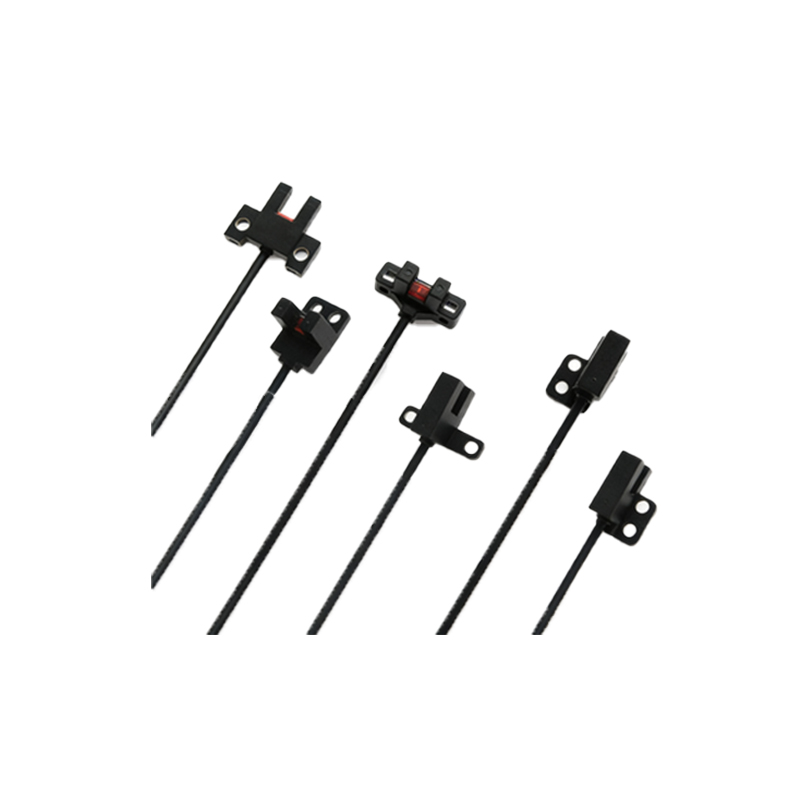
Infrared photoelectric sensors, also known as IR photoelectric switches, are critical components in modern electrical engineering. These devices utilize infrared light to detect the presence, absence, or position of objects without physical contact. Operating on the principle of light emission and reception, they consist of a transmitter that emits infrared radiation and a receiver that detects reflected or interrupted beams. Their non-contact nature makes them indispensable in automation, safety systems, and industrial process control.
Principle of Operation
The basic operation of an infrared photoelectric sensor relies on the modulation of infrared light. The transmitter emits a pulsed infrared beam, and the receiver captures the beam after it is reflected from an object or when it is blocked. There are three main types: through-beam sensors, where the transmitter and receiver are separate, detecting interruption; retro-reflective sensors, which use a reflector; and diffuse-reflective sensors, which detect reflection directly off the target. This design ensures high reliability in diverse environments, including those with ambient light interference.
Key Applications in Industrial Automation
In manufacturing and assembly lines, infrared photoelectric sensors are used for object detection, counting, and positioning. For example, they monitor conveyor belts to ensure proper product flow, trigger sorting mechanisms, and verify the presence of components in automated packaging systems. Their fast response time and immunity to electrical noise make them superior to mechanical switches in high-speed operations. Additionally, they are employed in material handling systems to prevent collisions and ensure precise alignment of robotic arms.
Role in Safety and Security Systems
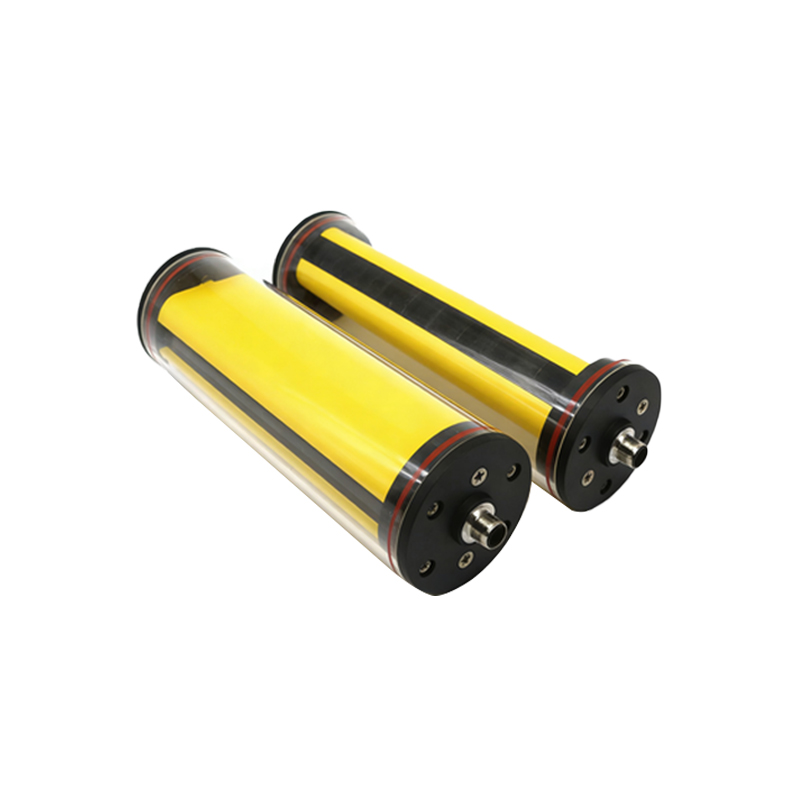
Infrared photoelectric sensors play a vital role in safety systems, such as automatic door openers, elevator door sensors, and emergency stop systems in heavy machinery. In security applications, they form the basis of intrusion detection systems, where an infrared beam is broken by an unauthorized entry, triggering an alarm. These sensors are also used in fire detection systems to monitor flame presence, as infrared radiation from fire can be detected by specialized sensors.
Advantages Over Other Sensing Technologies
Compared to capacitive, inductive, or ultrasonic sensors, infrared photoelectric sensors offer distinct benefits. They can detect a wide range of materials, including transparent objects like glass or plastic, which are challenging for other sensors. Their long sensing range, up to several meters, and ability to operate in dirty or harsh environments due to sealed enclosures make them cost-effective. Furthermore, they are easy to install, require minimal maintenance, and have a long operational lifespan.
Integration with Modern Control Systems
Modern infrared photoelectric sensors are designed with digital outputs, such as NPN or PNP transistors, and can be directly interfaced with programmable logic controllers (PLCs), microcontrollers, and industrial networks like Profibus or Modbus. This integration allows for real-time data processing and remote monitoring. Advanced models feature adjustable sensitivity, time delays, and immunity to light interference, enhancing their versatility in complex automation projects.
Conclusion
Infrared photoelectric sensors are essential tools in electrical engineering, providing reliable, non-contact detection for countless applications. Their role in improving efficiency, safety, and accuracy in industrial systems cannot be overstated. As technology advances, these sensors continue to evolve with enhanced features, such as wireless connectivity and smart diagnostics, making them a cornerstone of future automation and control systems.