1. Sensing Range Inconsistency
One of the most frequent complaints about domestic photoelectric sensors is the instability of their sensing range. In practice, the actual detection distance often deviates from the rated specification, especially in dusty or humid environments. This inconsistency can lead to false triggers or missed detections. The root cause is typically low-quality optics or inadequate calibration during manufacturing. To mitigate this, engineers should verify sensor performance in their specific operating conditions and consider using sensors with adjustable sensitivity or built-in stability compensation.
2. Susceptibility to Ambient Light Interference
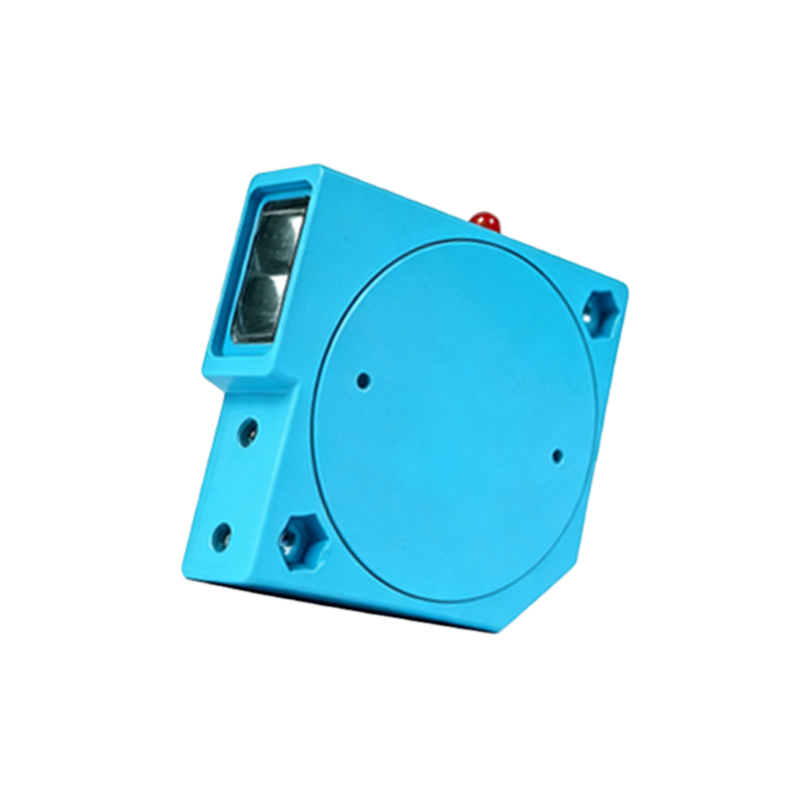
Domestic photoelectric sensors, particularly those using through-beam or retro-reflective modes, are vulnerable to ambient light interference. Strong sunlight or nearby lighting fixtures can cause the sensor to malfunction, resulting in erratic output. This is due to insufficient filtering of stray light in the receiver circuit. To address this, it is recommended to install sensors with modulated light sources (e.g., infrared or laser) and use shielding or hoods. Additionally, selecting sensors with a higher operating frequency can reduce the impact of ambient light.
3. Poor Performance in Harsh Environments
Industrial settings often involve dust, moisture, and temperature extremes, which degrade the performance of many domestic photoelectric sensors. For example, lens fogging or dirt accumulation can block the light beam, leading to frequent false alarms. Some sensors lack adequate IP (Ingress Protection) ratings or corrosion-resistant housings. Engineers should prioritize sensors with at least IP67 rating and consider using air purging systems or heated lenses for cold environments. Regular maintenance, such as cleaning the lenses and checking seals, is also critical.
4. Slow Response Time and Signal Jitter
Many domestic sensors struggle with response speed, especially in high-speed production lines. The output signal may exhibit jitter or delay, causing synchronization issues with PLCs or other controllers. This is often due to low-quality electronic components or poor signal processing algorithms. To improve performance, use sensors with faster response times (e.g.,<1 ms) and ensure proper wiring to avoid electromagnetic interference. Adding a debounce filter in the control system can also help stabilize the signal.
5. Inconsistent Output Signal and Noise
Electrical noise from nearby motors, inverters, or switching power supplies can cause intermittent false signals in domestic photoelectric sensors. The lack of robust shielding or proper grounding exacerbates this issue. Engineers should install shielded cables and maintain a safe distance from noise sources. Using sensors with differential outputs or built-in noise filters is another effective strategy. Additionally, verifying the sensor’s power supply voltage and current stability can prevent related problems.
6. Limited Detection of Transparent or Reflective Objects
Detecting transparent materials (e.g., glass or plastic bottles) or highly reflective surfaces (e.g., shiny metal) is a common challenge. Many domestic sensors fail in these applications because they rely on simple beam interruption without advanced optics. Solutions include using polarized retro-reflective sensors, background suppression sensors, or ultrasonic sensors as alternatives. Engineers should also adjust the sensor’s gain and angle to optimize detection.
7. Wiring and Connector Reliability Issues
Poor-quality connectors or improper wiring are frequent failure points. Loose connections, corrosion, or broken wires can cause intermittent sensor behavior, which is difficult to diagnose. It is advisable to use industrial-grade connectors with strain relief and secure cable management. Regular inspection of wiring harnesses and using waterproof junction boxes can significantly reduce downtime.