Introduction to Photoelectric Sensors in Magnetization Systems
Photoelectric sensors play a critical role in modern magnetizer systems, ensuring precise control and automation during the magnetization process. These sensors detect the presence, position, or absence of magnetic materials or components without physical contact, leveraging light beams to trigger responses. In high-volume manufacturing environments, such as electric motor assembly or magnetic component production, integrating photoelectric sensors enhances cycle time consistency and reduces the risk of misalignment or missing parts. The sensor’s ability to operate reliably in the presence of strong magnetic fields is a key engineering consideration, requiring shielding and careful wavelength selection.
Sensor Types and Their Application in Magnetizers
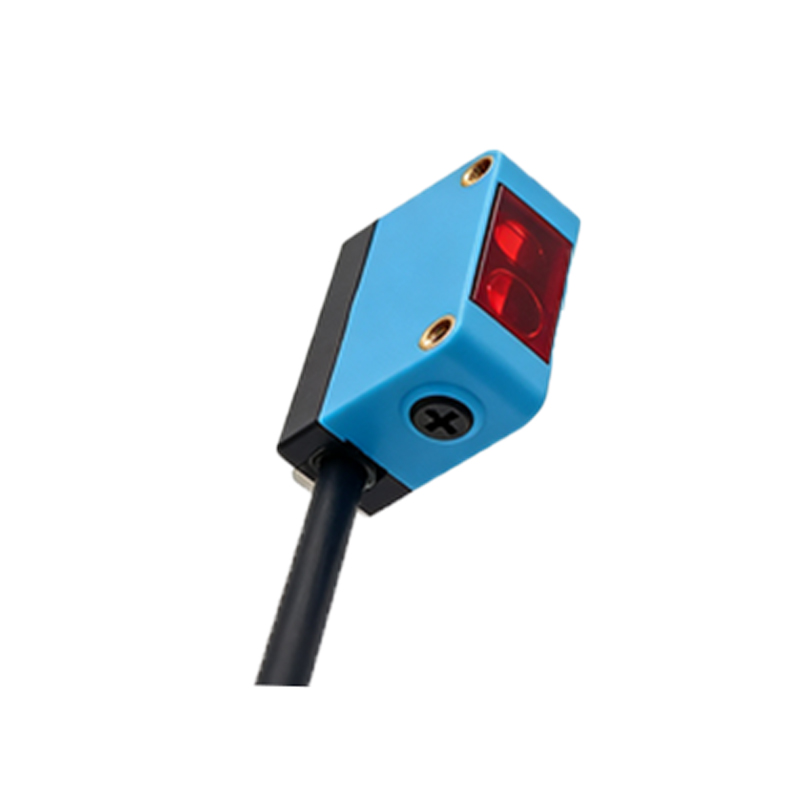
Three primary types of photoelectric sensors are commonly deployed in magnetizer stations: through-beam, retro-reflective, and diffuse reflective sensors. Through-beam sensors offer the highest detection accuracy, ideal for small or fast-moving magnetic cores, as the emitter and receiver are separate units. Retro-reflective sensors simplify installation by combining both elements in one housing, using a reflector to detect opaque components. Diffuse sensors are cost-effective for detecting magnetic parts with irregular surfaces, though they may require calibration to avoid false triggers from stray light or magnetic interference. For high-speed production lines, selecting a sensor with a fast response time (under 1 ms) is essential.
Key Performance Parameters for Industrial Use
When specifying photoelectric sensors for magnetizer systems, engineers must evaluate several parameters: sensing distance, ambient light immunity, and magnetic field immunity. Sensing distances typically range from 10 mm to 2 meters, depending on the sensor type and part size. Ambient light immunity should exceed 50,000 lux to prevent interference from factory lighting. Additionally, sensors must withstand pulsed magnetic fields up to 1 Tesla during magnetization cycles; this often necessitates using stainless steel housings and ferrite shielding. The IP67 rating is recommended for dust and coolant exposure in automated magnetizer cells.
Integration with PLC and Control Logic
Photoelectric sensors are typically connected to a programmable logic controller (PLC) via discrete input modules. The sensor output, commonly NPN or PNP, must be matched to the PLC input type. In magnetizer sequences, the sensor triggers the start of the magnetization pulse only when a part is correctly positioned, preventing empty or misaligned cycles. For multi-station magnetizers, multiple sensors can be daisy-chained using a common signal line to simplify wiring. Engineers should also implement a sensor health monitoring routine, such as periodic self-test pulses, to detect contamination or failure early.
Troubleshooting Common Field Issues
Common challenges include false triggering from metal debris, sensor blinding from oil films, and magnetic field-induced noise. To mitigate false triggers, install the sensor at a 15- to 30-degree angle relative to the part path and use a background suppression lens for diffuse models. For oil contamination, select sensors with a scratch-resistant window and schedule weekly cleaning. Magnetic noise can be reduced by routing sensor cables away from high-current conductors and using shielded twisted-pair cables. If sensor response becomes erratic, verify the power supply voltage (typically 10-30 VDC) and confirm the sensor’s switching frequency matches the production rate.
Future Trends in Magnetizer Sensing Technology
Emerging developments include the use of IO-Link communication for real-time sensor diagnostics and adaptive threshold adjustment, allowing the magnetizer to compensate for part variation. Miniaturized photoelectric sensors with integrated microprocessors are enabling direct fieldbus integration, reducing PLC I/O requirements. Additionally, laser-based photoelectric sensors offer improved precision for detecting sub-millimeter magnetic components. As Industry 4.0 adoption grows, sensors with embedded data logging capabilities will become standard, providing traceability for each magnetization cycle.