1. Environmental Interference and False Triggering
Automatic photoelectric sensors often face issues due to dust, moisture, or ambient light interference. In industrial environments, accumulated dirt on the lens can attenuate the emitted light beam, leading to false triggering or missed detections. To mitigate this, periodic cleaning using a soft, lint-free cloth and isopropyl alcohol is recommended. Additionally, selecting sensors with built-in ambient light rejection or using modulated light technology can reduce sensitivity to external light sources. For harsh environments, consider sensors with IP67 or higher ingress protection ratings.
2. Misalignment and Beam Obstruction
Sensor misalignment is a frequent problem, especially in through-beam or retro-reflective sensor types. Vibration from machinery or accidental movement can shift the emitter and receiver off-axis. This results in intermittent or complete loss of signal. Regular inspection and use of vibration-dampening mounting brackets can help. For retro-reflective sensors, ensure the reflector is clean and properly aligned. In dynamic settings, self-aligning or multi-beam sensors offer enhanced reliability.
3. Range and Sensitivity Calibration Errors
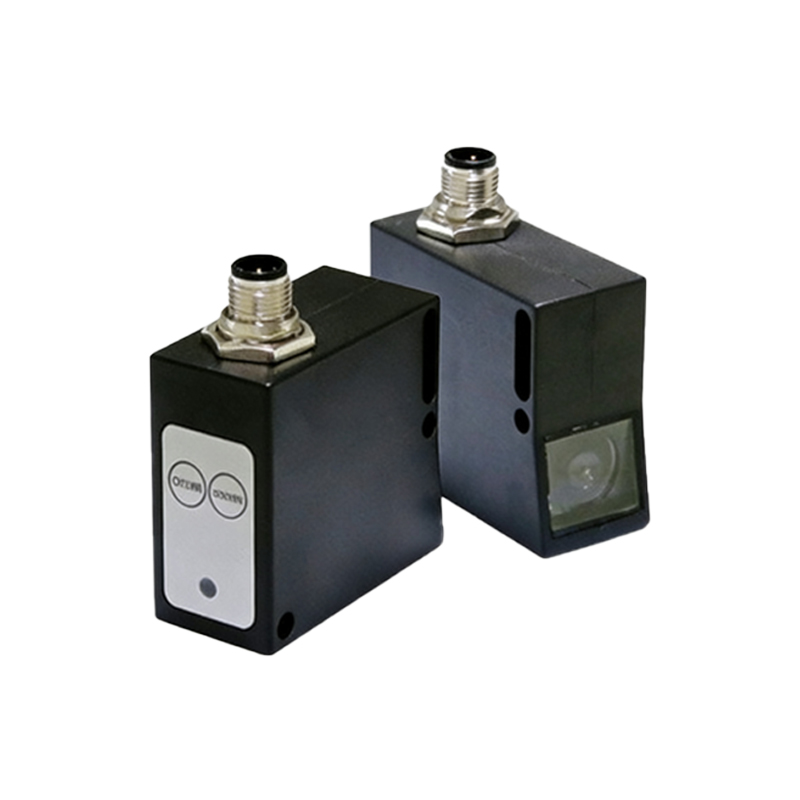
Improper calibration of the sensing distance or sensitivity can cause unreliable operation. Overly sensitive settings may trigger on background objects, while under-sensitive settings may miss targets. Use the manufacturer's calibration procedure with a test target that matches the actual object size, color, and reflectivity. For diffuse sensors, consider the target's material and color—dark or matte surfaces require higher sensitivity. Digital sensors with teach-in functions simplify this process.
4. Electrical Noise and Cable Interference
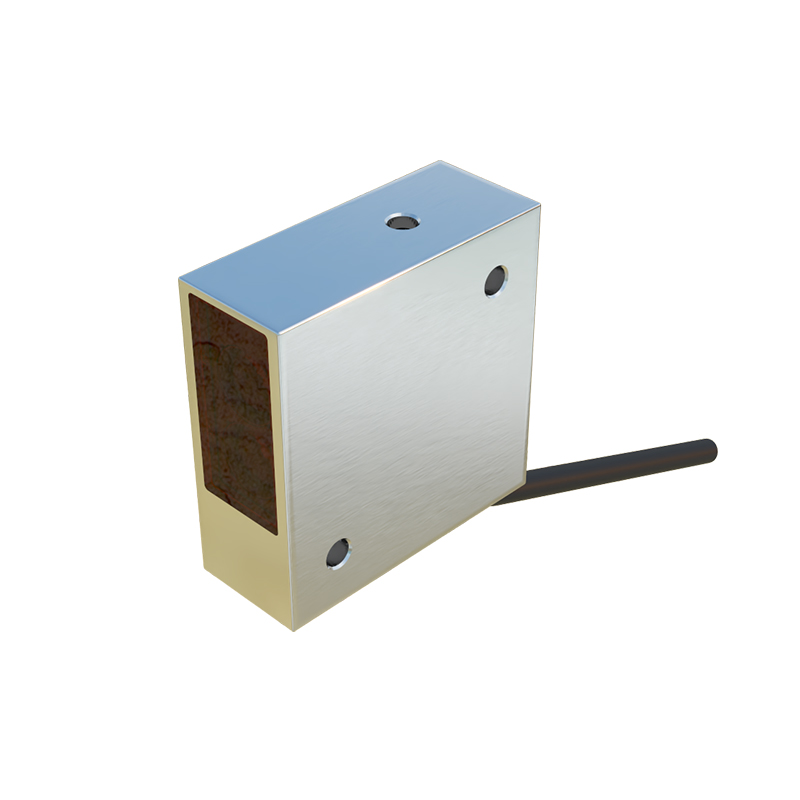
Industrial environments are prone to electromagnetic interference (EMI) from motors, inverters, or welding equipment. This noise can cause erroneous signals or sensor malfunction. Shielded cables and proper grounding are essential. Keep sensor cables separate from high-power lines. Using sensors with built-in noise filtering or ferrite cores on cables can further reduce interference. For critical applications, fiber optic sensors may be less susceptible to EMI.
5. Temperature and Humidity Effects
Extreme temperatures or high humidity can alter sensor performance. LED or laser-based sensors may experience beam divergence or reduced output power at high temperatures. Condensation on the lens can cause false readings. Select sensors rated for the specific temperature range of your application. Heated or air-purged enclosures can prevent condensation. For outdoor or wet areas, sealed sensors with anti-fog coatings are advisable.
6. Wiring and Connector Issues
Loose connections, broken wires, or corrosion at terminals are common electrical faults. These can cause intermittent sensor failure or complete loss of power. Use industrial-grade connectors with locking mechanisms. Regularly inspect wiring for wear, especially in moving cable tracks. For long cable runs, ensure the voltage drop does not exceed the sensor's specifications. Consider using quick-disconnect connectors for easier maintenance.