Introduction: The Rise of Optical Sensors in Industry
In modern industrial automation, optical sensors have become ubiquitous, replacing manual inspection and enhancing precision. However, a common question arises: how do these artificial devices compare to biological eyes? This article explores the fundamental differences between optical sensors and biological vision systems from an engineering and biological perspective.
Operating Principle: Electronics vs Biology
Optical sensors operate based on the photoelectric effect. They detect light intensity, wavelength, or changes in reflection, converting these into electrical signals. Common types include photoelectric sensors, laser sensors, and fiber optic sensors. In contrast, biological eyes rely on photoreceptor cells (rods and cones) that convert light into nerve impulses. The human eye uses a complex lens system (cornea and crystalline lens) to focus light onto the retina, whereas optical sensors use glass lenses or fiber optics.
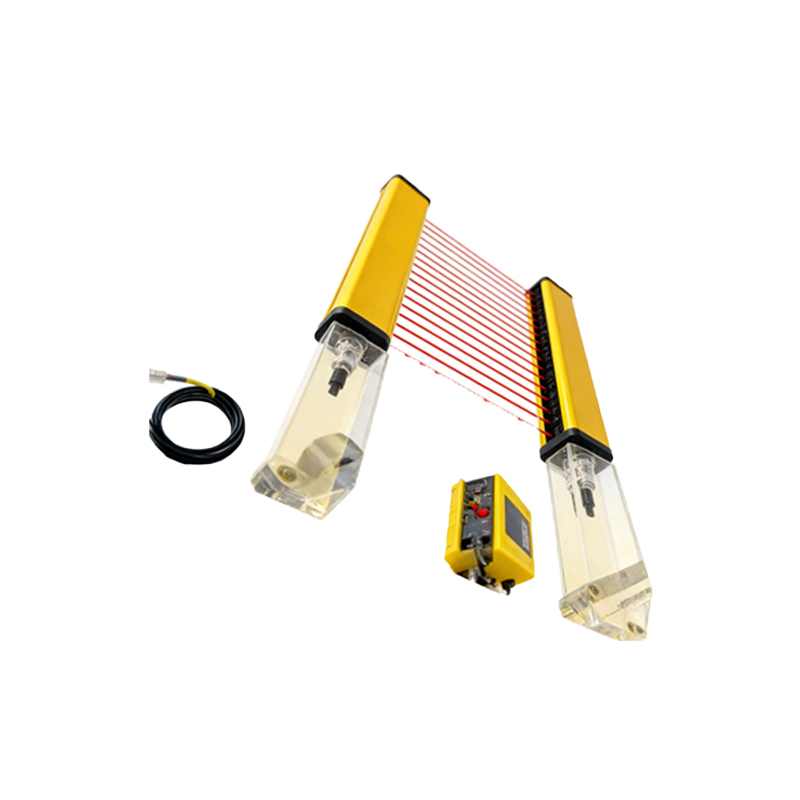
Wavelength Range and Sensitivity
Industrial optical sensors often operate in specific wavelength ranges, such as visible light (400–700 nm) or infrared (850–950 nm). They can be tuned for narrow bandwidths to reduce interference. Biological eyes, however, typically detect only visible light (380–780 nm) and lack the ability to filter out specific wavelengths without external aids. Additionally, sensors can detect ultraviolet or infrared light, which is invisible to humans, making them suitable for applications like object detection in dark environments.
Response Speed and Data Processing
Optical sensors have response times in microseconds (µs) or even nanoseconds (ns), allowing for high-speed counting, positioning, and detection. For example, a photoelectric sensor can detect a moving object at speeds exceeding 10,000 cycles per second. Biological eyes, however, have a slower response, with the human eye requiring about 0.1–0.2 seconds to process visual data due to neural transmission and brain processing. This makes biological vision unsuitable for real-time industrial tasks.
Environmental Adaptability
Optical sensors are designed to operate reliably under harsh conditions, such as dust, vibration, moisture, and extreme temperatures (-40°C to 80°C). They can be equipped with protective housings and are immune to fatigue. Biological eyes, on the other hand, are sensitive to environmental factors like bright light (glare), low light, dust, and foreign objects. They require regular maintenance (blinking, tears) and are prone to injury or disease.
Resolution and Field of View
While the human eye has a high resolution (about 576 megapixels) and a wide field of view (approximately 180 degrees), optical sensors often have lower resolution (e.g., 320x240 pixels for a basic camera sensor) but can be optimized for specific tasks. Biological eyes have poor depth perception in monocular conditions, whereas optical sensors can use triangulation, time-of-flight, or structured light to achieve precise 3D measurements.
Power Consumption and Lifespan
Industrial optical sensors consume electrical power, typically in the range of 10–50 mA at 24V DC, and have a lifespan of 50,000 to 100,000 hours. Biological eyes rely on metabolic energy and have a limited lifespan due to aging and disease. For example, the human eye may develop cataracts or macular degeneration over time.
Conclusion: Application-Specific Advantages
In summary, optical sensors and biological eyes serve different purposes in industry. Sensors excel in speed, durability, and specific wavelength detection, making them ideal for automated production lines, quality control, and safety systems. Biological eyes, while superior in adaptability, contextual understanding, and pattern recognition, are slower and less reliable in repetitive industrial tasks. Understanding these differences helps engineers select the right technology for each application.