Introduction to Photoelectric Sensors in Industrial Applications
Photoelectric sensors are essential components in modern industrial automation, enabling precise detection of objects, distances, and material properties without physical contact. As an electrical engineer with over a decade of experience in the field, I have witnessed the evolution of these sensors from simple light-beam breakers to sophisticated, intelligent devices that integrate with Industry 4.0 systems. Their reliability, speed, and versatility make them indispensable in manufacturing, packaging, logistics, and robotics. This article explores the key applications, operational principles, and future trends of photoelectric sensors, focusing on how they enhance efficiency and accuracy in demanding industrial environments.
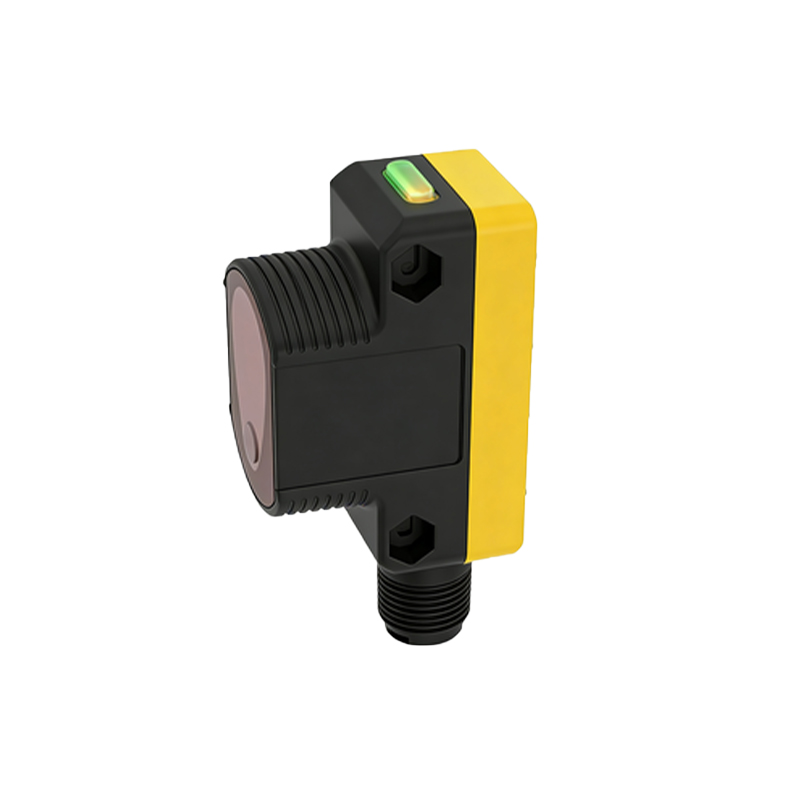
Core Principles: How Photoelectric Sensors Operate
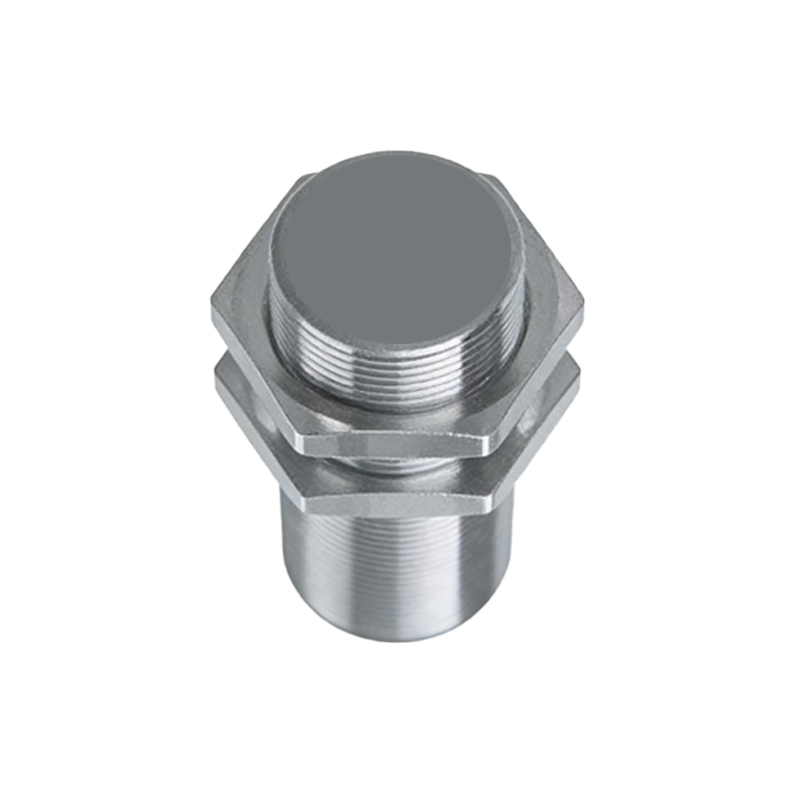
At the heart of photoelectric sensors lies the use of light, typically infrared, visible red, or laser, to detect the presence or absence of an object. The three primary types—through-beam, retro-reflective, and diffuse—each have distinct advantages. Through-beam sensors offer the longest range and highest reliability, as the emitter and receiver are separate, making them ideal for harsh conditions like dusty factories. Retro-reflective sensors use a reflector to bounce light back, simplifying installation in tight spaces. Diffuse sensors, which detect reflected light from the target itself, are perfect for short-range applications, such as counting bottles on a conveyor. Understanding these principles is critical for selecting the right sensor for a specific task, ensuring minimal false triggers and optimal performance.
Key Applications in Manufacturing and Packaging
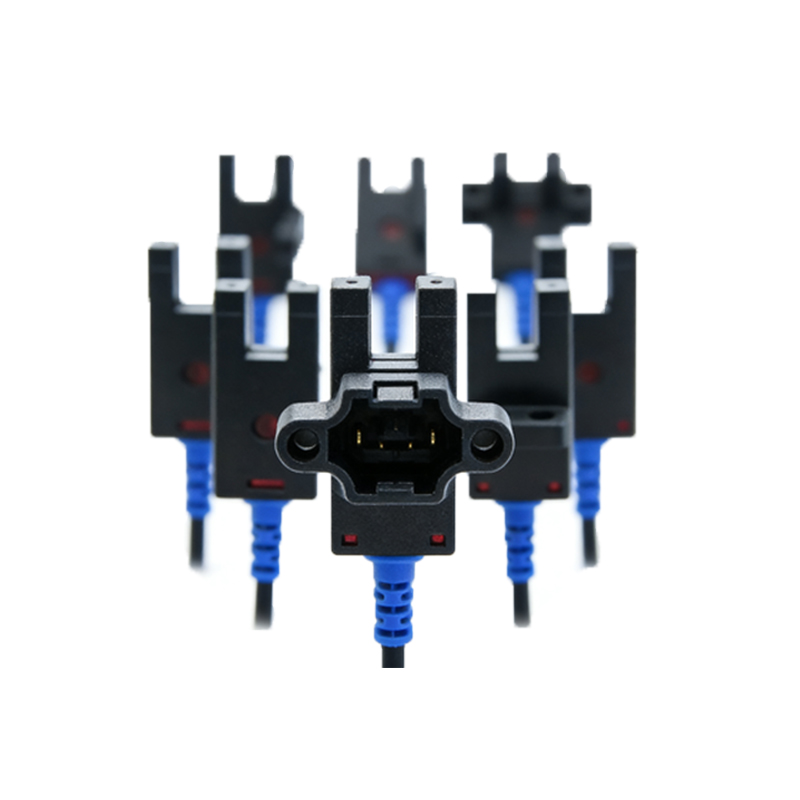
In manufacturing lines, photoelectric sensors are ubiquitous. For example, in automotive assembly, laser-based through-beam sensors ensure precise alignment of parts during welding, reducing defects. In packaging, high-speed retro-reflective sensors detect transparent or shiny films, a challenge that older technologies struggled with. I recall a project where we integrated diffuse sensors with background suppression to handle varying product colors on a bottling line, significantly reducing downtime. These sensors also excel in material handling, detecting cartons on conveyor belts, even in high-temperature environments near ovens. Their ability to operate in dirty, wet, or vibrating conditions makes them a go-to choice for plant engineers.
Overcoming Common Challenges: Environmental Factors and Interference
Industrial environments pose significant challenges, such as ambient light, dust, moisture, and electromagnetic interference. For instance, in a steel mill, high-intensity ambient light from furnaces can confuse standard sensors. Engineers must select sensors with modulated light and narrow spectral filters to reject background noise. Another common issue is moisture in food processing plants, where IP67-rated sensors with sealed housings are essential. In my experience, using fiber-optic photoelectric sensors in explosive environments, like chemical plants, provides a safe alternative by keeping electronics away from hazardous areas. Proper calibration and alignment are equally crucial; a misaligned through-beam sensor can cause intermittent faults, leading to costly stoppages.
Integration with Industry 4.0 and Smart Factories
The rise of the Industrial Internet of Things (IIoT) has transformed photoelectric sensors into smart devices with diagnostic capabilities. Modern sensors now feature IO-Link communication, allowing real-time data on signal strength, temperature, and preventative maintenance alerts. This integration enables predictive maintenance, reducing unplanned downtime. For example, in a smart warehouse, photoelectric sensors with Ethernet connectivity can track inventory levels and trigger automated reordering. As an engineer, I recommend adopting sensors with built-in self-diagnostics to simplify troubleshooting and reduce maintenance costs. The trend toward miniaturization and lower power consumption also supports mobile robot applications, enhancing flexibility in dynamic production lines.
Conclusion: Future Trends and Best Practices
Looking ahead, photoelectric sensors will continue to evolve with advances in laser technology, artificial intelligence, and edge computing. Sensors with embedded machine learning can adapt to changing conditions, such as varying object shapes or speeds, without manual reconfiguration. For field engineers, best practices include conducting thorough site surveys to evaluate lighting, space, and environmental conditions, and selecting sensors with appropriate ranges and housings. Regular calibration and cleaning schedules extend sensor life. By embracing these technologies and strategies, industrial operations can achieve higher throughput, quality, and safety, making photoelectric sensors a cornerstone of modern automation.