Understanding the Photoelectric Sensor Market
As a veteran electrical engineer, I’ve seen the industrial sensor market evolve rapidly. Photoelectric sensors are critical components in automation, manufacturing, and logistics. To succeed in an online store, start by analyzing demand: focus on key types like through-beam, retroreflective, and diffuse sensors. Research competitors on platforms like Amazon, Alibaba, and specialized industrial marketplaces. Note their pricing, product descriptions, and customer reviews. This data helps you identify gaps, such as niche applications in food processing or packaging, where high-performance sensors are needed. Remember, the market values reliability and precision over low cost.
Selecting High-Quality Products and Suppliers
Product quality is non-negotiable in industrial sales. Partner with reputable manufacturers or certified distributors who offer sensors with clear specifications, such as detection range, response time, and environmental ratings (IP67 or higher). Avoid generic unbranded sensors to maintain trust. For example, I recommend sourcing from brands like Omron, Keyence, or SICK, or high-quality OEM alternatives. Request samples to test performance under real conditions—like dust, moisture, or ambient light interference. Ensure suppliers provide datasheets, CE or UL certifications, and warranty options. This builds credibility with buyers like plant engineers.
Optimizing Your Online Store for Technical Buyers
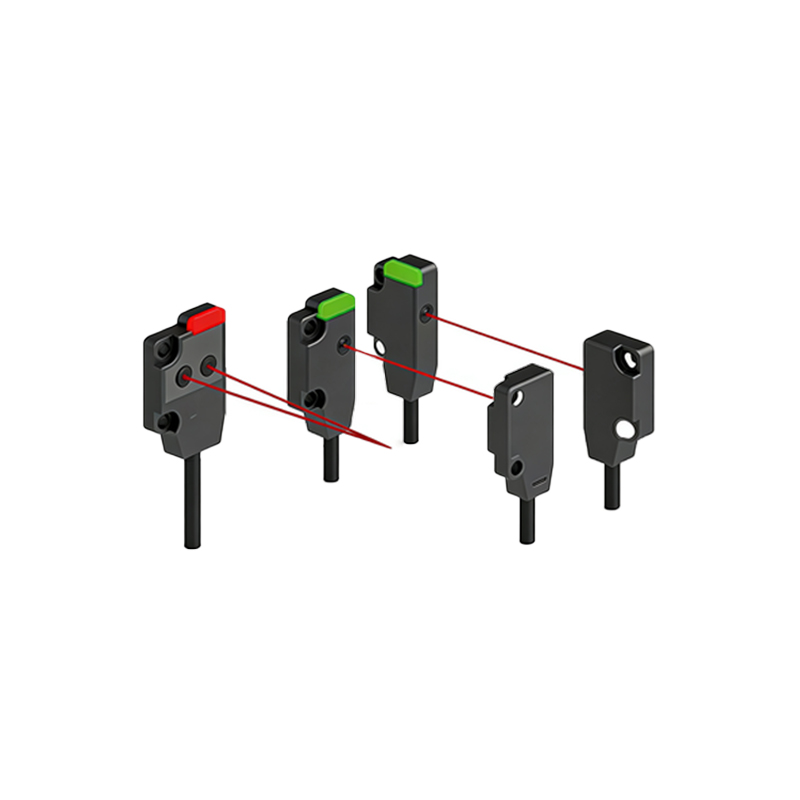
Your store must cater to technical professionals. Use a clean, mobile-responsive design with clear categories (e.g., by sensor type or application). Each product page should include detailed specs, wiring diagrams, and installation guides. Write descriptions in active voice: “This retroreflective sensor detects objects up to 10 meters with a fast 1 ms response time.” Add high-resolution images and videos showing real-world usage, such as on a conveyor belt. Implement filters for key parameters like supply voltage (10-30V DC) or output type (NPN/PNP). This reduces bounce rates and increases conversions.
Implementing Effective SEO and Content Marketing
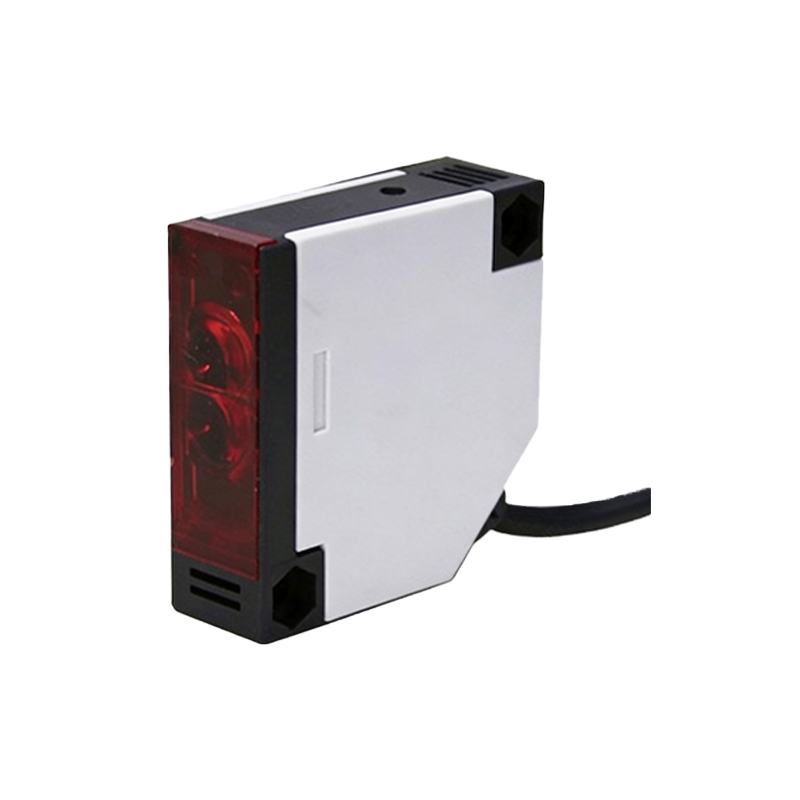
To attract engineers and procurement managers, target long-tail keywords like “industrial photoelectric sensor for conveyor systems” or “waterproof diffuse sensor IP67.” Create blog posts or guides, such as “How to Choose Between Through-Beam and Retroreflective Sensors,” and link them to relevant products. Use schema markup for product data to improve search visibility. Build backlinks by guest posting on engineering forums or automation blogs. Regularly update sitemaps and monitor analytics to refine keywords. SEO is a long-term investment but yields high-intent traffic.
Managing Customer Support and Logistics
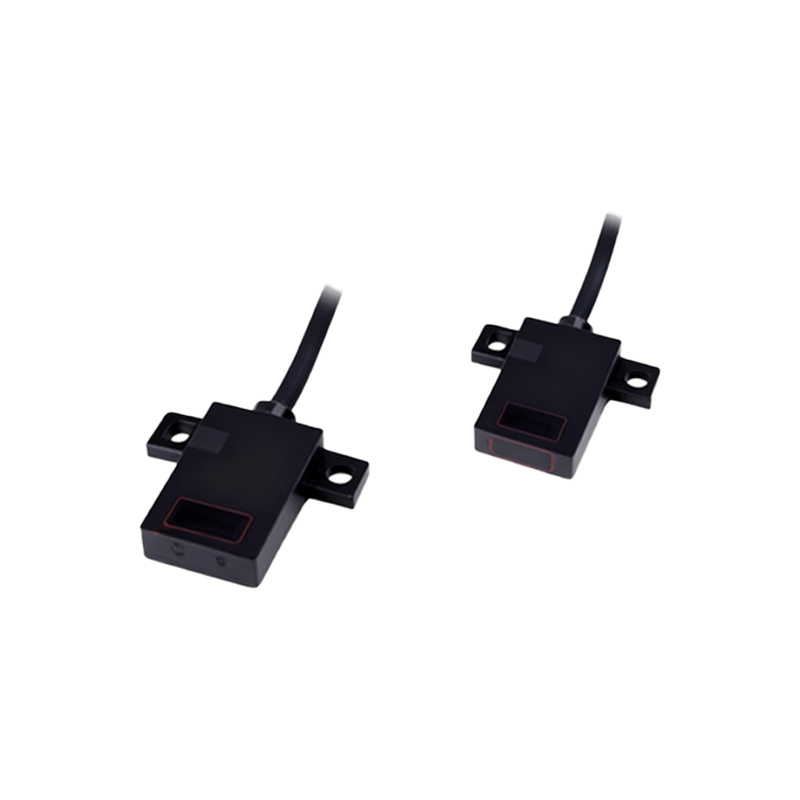
Industrial buyers value fast, accurate support. Offer live chat or a ticketed system with engineers who can answer technical questions, like wiring compatibility or sensor calibration. Provide clear return policies and stock popular sensor models for quick shipping (e.g., 2-3 days). Use reliable carriers like FedEx or DHL for global delivery. For bulk orders, offer volume discounts. After purchase, send follow-up emails with maintenance tips. Prioritize positive reviews by resolving issues promptly. This builds a reputation for reliability, essential in the B2B space.