Introduction to the BS5 Photoelectric Sensor
The BS5 photoelectric sensor is a critical component in modern industrial automation, designed for non-contact detection of objects across various environments. As an engineer specializing in electrical systems, I have observed its widespread adoption in manufacturing lines, packaging systems, and material handling due to its reliability and versatility. This sensor operates on the principle of emitting a light beam, typically infrared or visible red, and detecting changes in the received signal when an object interrupts or reflects the light. The BS5 model is particularly valued for its compact size, robust construction, and resistance to dust, vibration, and ambient light interference, making it suitable for harsh factory floor conditions.
Key Technical Specifications and Features
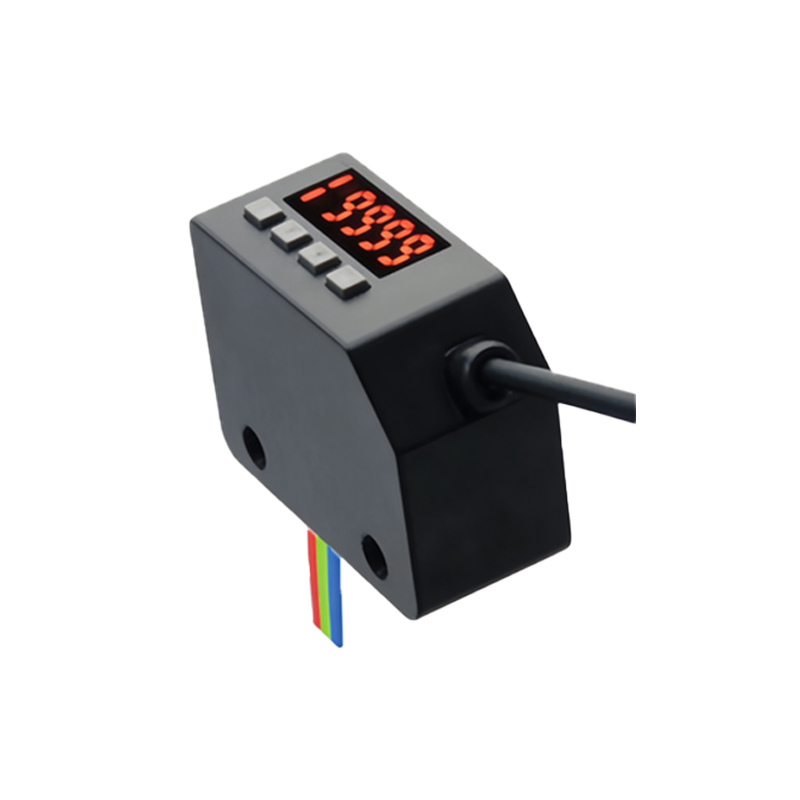
The BS5 photoelectric sensor offers a range of specifications that cater to distinct industrial needs. It supports multiple sensing modes, including through-beam, retro-reflective, and diffuse reflection, with detection distances varying from 0.1 meters up to 15 meters depending on the mode and target material. Its response time is typically under 1 millisecond, ensuring high-speed operation in fast-paced automation. The sensor operates on a standard 10-30 VDC power supply and provides outputs such as NPN or PNP open-collector, compatible with most PLCs. Additional features include adjustable sensitivity through a potentiometer, LED indicators for power and output status, and IP67-rated enclosure protection, which guarantees performance in wet or dusty environments.
Applications in Industrial Automation
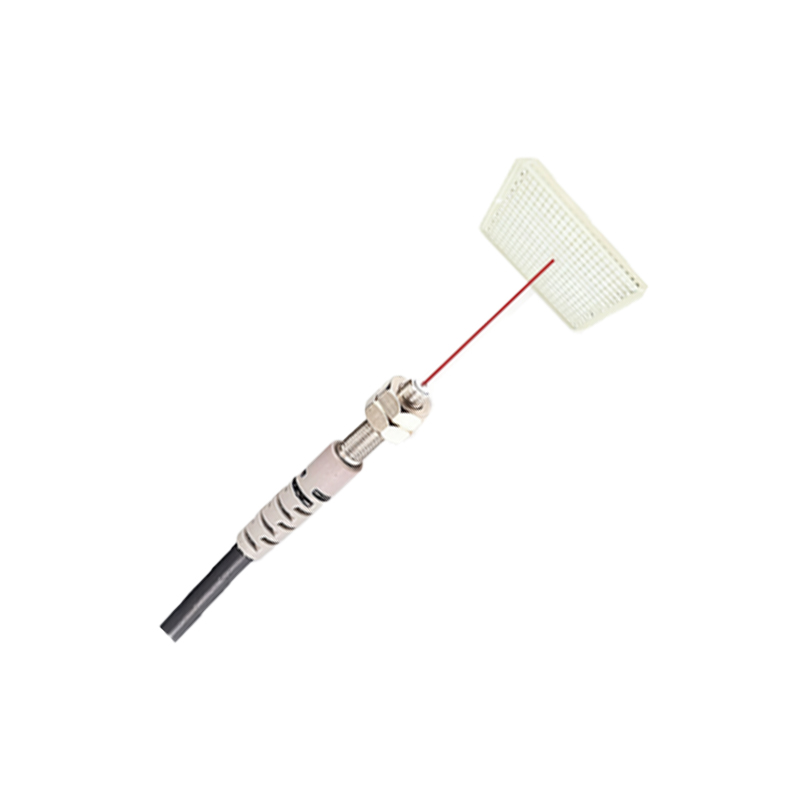
In practice, the BS5 photoelectric sensor excels in tasks requiring precise object presence detection, counting, and positioning. For example, in conveyor systems, it detects product flow to trigger sorting mechanisms or stop belts during jams. In packaging machinery, it ensures proper alignment of labels or seals by sensing transparent or metallic objects. The diffuse reflection mode is ideal for detecting irregularly shaped items, while through-beam mode provides long-range detection for large-scale warehouse systems. Engineers often select the BS5 for its compatibility with reflective tapes and its ability to handle challenging surfaces like glass or shiny metals without false triggering.
Installation and Calibration Best Practices
Proper installation is crucial for maximizing the BS5 sensor’s performance. Begin by mounting the sensor on a stable surface, ensuring the optical path is clear of obstructions and aligned with the reflector or receiver in retro-reflective and through-beam configurations. Use the calibration potentiometer to fine-tune sensitivity, adjusting based on the target’s reflectivity and distance. For optimal results, avoid placing the sensor in direct sunlight or near strong electromagnetic fields. Regular maintenance involves cleaning the lens with a soft, dry cloth and checking for mechanical wear in high-vibration environments. Testing under real operating conditions is recommended to confirm stable signaling.
Troubleshooting Common Issues
Common operational challenges with the BS5 include intermittent detection or complete failure to sense. If output signals are inconsistent, first verify power supply stability and check for loose connections. Ambient light interference can be mitigated by using a modulated light sensor like the BS5, which filters out background noise. For detection of transparent objects, switch to retro-reflective mode with a polarized filter. In dusty conditions, frequent lens cleaning may be needed, or consider an air purge system. If the sensor triggers false positives, reduce sensitivity or adjust the detection angle. Consulting the manufacturer’s datasheet ensures proper parameter settings.
Conclusion and Future Outlook
The BS5 photoelectric sensor remains a reliable choice for engineers seeking cost-effective, durable, and precise detection solutions. Its adaptability across industries—from automotive assembly to food processing—demonstrates its engineering value. As Industry 4.0 advances, integration with IoT platforms and smart diagnostics may enhance the BS5’s capabilities, enabling predictive maintenance and real-time data logging. For now, mastering its setup and application ensures optimized factory automation performance. Always refer to official documentation for specific model variants and local safety regulations.