Introduction to 600mm Photoelectric Sensors
As an electrical engineer specializing in industrial automation, I often encounter applications requiring precise object detection at medium ranges. The 600mm photoelectric sensor stands out as a versatile solution for detecting objects within a 600-millimeter range. These sensors use light beams, typically infrared or visible red, to sense the presence, absence, or distance of targets without physical contact. Their robust design and reliable performance make them ideal for manufacturing, packaging, and material handling systems. In this guide, I will detail their working principles, types, installation considerations, and troubleshooting tips to help you integrate them effectively into your automation projects.
Working Principle and Key Specifications
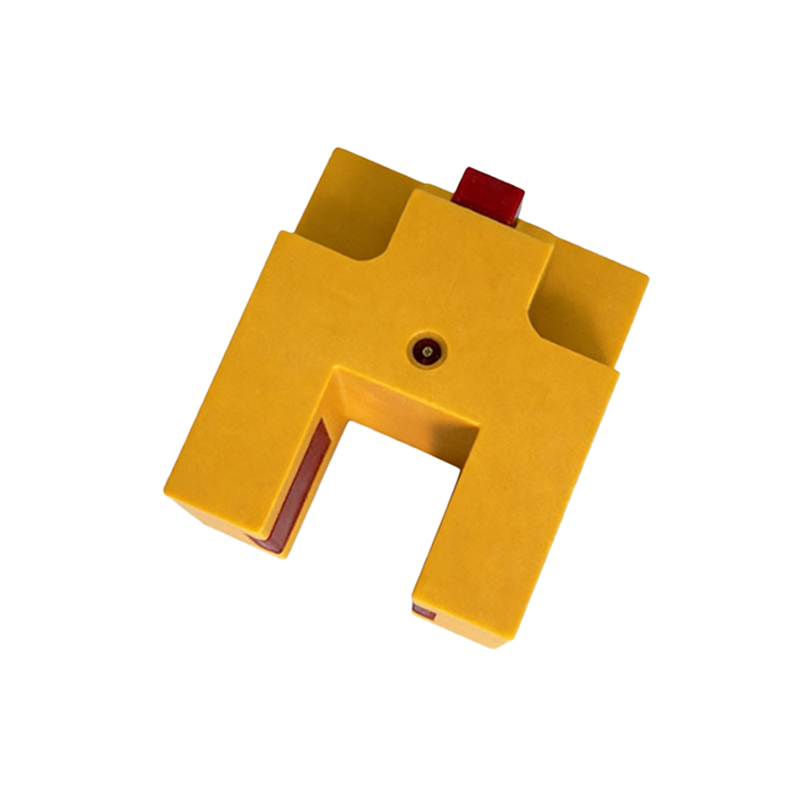
The 600mm photoelectric sensor operates based on three primary modes: through-beam, retro-reflective, and diffuse reflection. In through-beam mode, the transmitter and receiver are separated, with the beam spanning 600mm; an object interrupts the beam to trigger a signal. Retro-reflective sensors use a reflector to bounce the beam back, with detection occurring when the beam is blocked. Diffuse sensors rely on light reflected directly from the target, effective up to 600mm depending on target reflectivity. Key specifications include sensing distance, response time (typically under 1 ms), output type (NPN or PNP), and environmental ratings like IP67 for dust and water resistance. Understanding these parameters is crucial for matching the sensor to your application.
Installation Best Practices
Proper installation ensures optimal performance. First, align the sensor and reflector or target within the 600mm range, accounting for any angular misalignment that could reduce sensitivity. For through-beam models, ensure the transmitter and receiver are directly facing each other with a clear line of sight. Mount the sensor on a stable surface using brackets, avoiding vibrations that may cause false triggers. Consider ambient light interference; shield the sensor from direct sunlight or bright artificial lights using hoods or filters. Wire the sensor according to its datasheet, using shielded cables to minimize electromagnetic noise from nearby motors or drives. Test the setup with actual targets to calibrate sensitivity and hysteresis using the built-in potentiometer or digital interface.
Common Applications in Industry
The 600mm range suits many mid-distance detection tasks. In conveyor systems, these sensors detect product jams or count items at transfer points. For packaging lines, they verify the presence of labels or caps on bottles moving at high speeds. In automated guided vehicles (AGVs), they serve as obstacle detectors to prevent collisions. Additionally, they are used in elevator door systems to sense passengers within a 600mm zone. Their reliability in harsh environments, like dusty warehouses or humid factories, makes them a preferred choice over mechanical switches.
Troubleshooting and Maintenance
Common issues include false triggers, no output, or reduced range. Start by checking the power supply voltage and wiring connections. Clean the lens and reflector with a soft cloth to remove dust or oil buildup. For intermittent faults, inspect for vibration or temperature fluctuations exceeding the sensor’s rated range. If the sensor fails to detect consistently, adjust the sensitivity potentiometer or switch to a different sensing mode. For severe cases, use a diagnostic tool like an oscilloscope to analyze the output signal. Regular preventive maintenance, such as quarterly lens cleaning and alignment checks, extends sensor lifespan.
Conclusion and Future Trends
The 600mm photoelectric sensor remains a cornerstone of industrial sensing due to its balance of range, accuracy, and cost. Emerging trends include integration with IO-Link for smart diagnostics and parameter adjustment, as well as miniaturized designs for space-constrained applications. As an engineer, staying updated with these innovations will help you leverage the full potential of these sensors in your automation systems. By following best practices in selection, installation, and maintenance, you can achieve reliable and efficient operation for years to come.