Introduction to Flexible Cable Photoelectric Sensors
In modern industrial automation, reliability under dynamic conditions is critical. Flexible cable photoelectric sensors are designed to withstand repeated bending and flexing in robotic arms, conveyor systems, and packaging machinery. As an electrical engineer, I emphasize that these sensors combine robust optoelectronics with specialized cabling to ensure consistent detection even in high-movement environments. They eliminate signal degradation caused by cable fatigue, offering a cost-effective solution for continuous operation.
Key Design Features for Bend Resistance
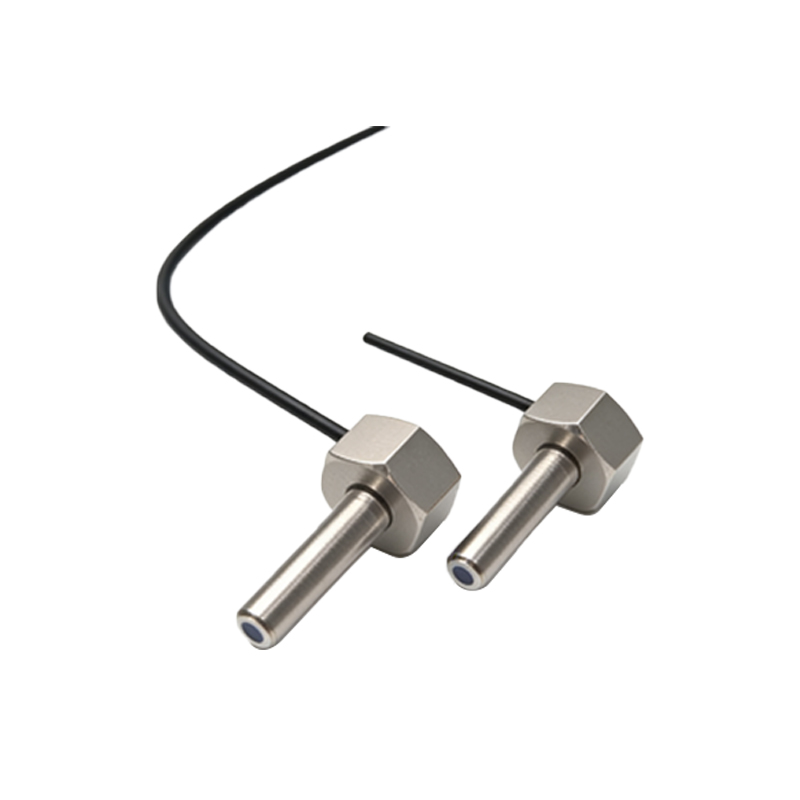
The core innovation lies in the cable construction. Unlike standard PVC or rubber jackets, these sensors use high-flex polyurethane (PUR) or thermoplastic elastomer (TPE) materials. The conductor stranding is optimized for torsional and cyclic bending, with shielding layers that maintain electromagnetic compatibility (EMC) without cracking. Typical bend radius ratings range from 5x to 10x the cable diameter, validated through over 10 million flex cycles. This design prevents internal wire breakage, a common failure point in traditional sensors.
Optical Performance and Detection Accuracy
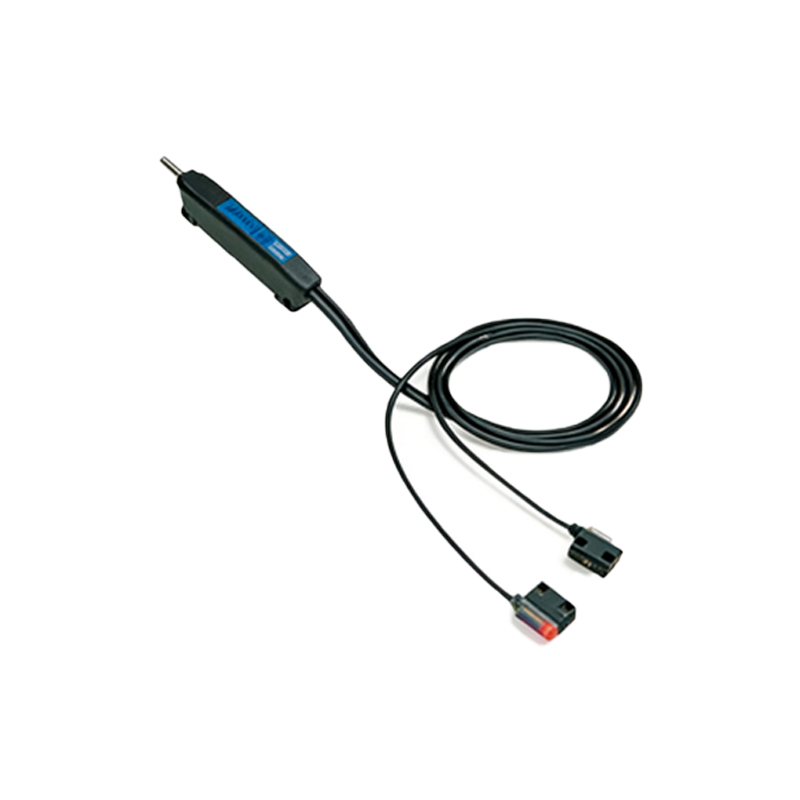
Photoelectric operation remains unaffected by cable movement. These sensors employ modulated infrared or visible red LED light sources, with through-beam, retro-reflective, and diffuse sensing modes. The emitter and receiver circuits are encapsulated to resist vibration and moisture (IP67 or higher). Response times are consistently below 1 millisecond, enabling precise object detection at high speeds. The optical lens design minimizes ambient light interference, ensuring stable output even near welding arcs or bright LEDs.
Application Scenarios in Dynamic Machinery
Primary applications include pick-and-place robots, cable track systems (e.g., e-chain), and automated guided vehicles (AGVs). In robotic wrists, where cables undergo 180-degree bends every cycle, these sensors maintain signal integrity for over 2 million cycles. They are also ideal for packaging lines where constant product height variation demands frequent sensor repositioning. The flexible cable allows easy routing through tight spaces without kinking.
Installation and Maintenance Best Practices
Proper installation extends sensor lifespan. Avoid sharp edges by using cable glands with radiused entries. Secure the cable at strain relief points to prevent tension at connectors. For high-flex applications, use dynamic rated cables (e.g., UL AWM style 20234). Regularly inspect cable jackets for abrasion or chemical exposure. In harsh environments, consider using metal-free connectors to reduce weight and stress on the cable.
Comparative Advantages Over Rigid Sensors
Compared to rigid body photoelectric sensors with fixed cables, flexible versions reduce downtime and maintenance costs. A standard sensor may fail after 500,000 bends, while a flexible cable sensor lasts over 5 million cycles. Additionally, the reduced cable fatigue minimizes electrical noise, improving signal-to-noise ratio in noisy factory floors. This translates to fewer false triggers and higher machine availability.
Future Trends and Integration with Industry 4.0
Emerging designs integrate IoT capabilities, such as diagnostic feedback on cable fatigue (e.g., impedance changes over time). Coupled with IO-Link communication, these sensors can predict remaining useful life, enabling predictive maintenance. As cobots become more common, flexible cable photoelectric sensors will evolve with smaller diameters and higher flexibility ratings, supporting tighter packaging in collaborative workspaces.