Introduction to Photoelectric Sensors
Photoelectric sensors are fundamental components in modern industrial automation, converting light signals into electrical outputs to detect the presence, absence, or distance of objects. These devices operate by emitting a beam of light, typically infrared, visible red, or laser, and measuring the changes in the received light intensity or time-of-flight. For engineers, selecting the right photoelectric sensor is critical for ensuring reliable performance in harsh manufacturing environments, including those with dust, vibration, or varying ambient light conditions.
Key Operating Principles
Photoelectric sensors fall into three main categories: through-beam, retro-reflective, and diffuse reflective. Through-beam sensors consist of a separate emitter and receiver, offering the longest detection range and highest immunity to contamination, but requiring precise alignment. Retro-reflective sensors use a reflector to bounce the light back to the sensor, simplifying wiring while maintaining good range. Diffuse sensors integrate emitter and receiver in one housing, relying on light reflected from the target itself; they are easier to install but have limited range and are more susceptible to target color and surface properties. Engineers must consider the target material, size, and speed when choosing the operating mode.
Critical Selection Parameters
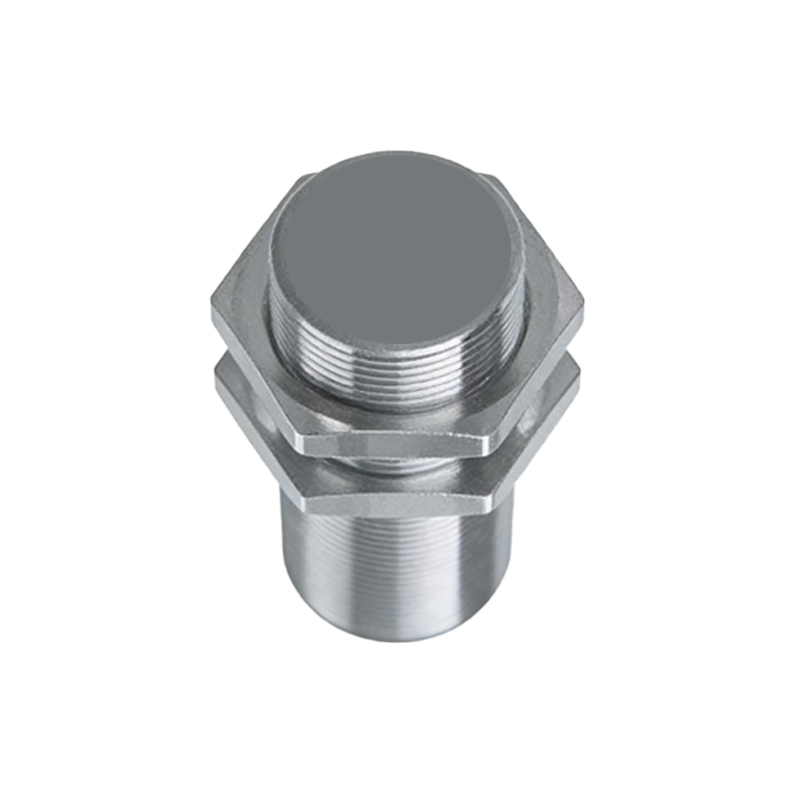
When specifying a photoelectric sensor for industrial equipment, several parameters require careful evaluation. The detection distance, typically from a few millimeters to over 100 meters for through-beam models, must match the application layout. Output type—NPN or PNP, analog or digital—should align with the controller input requirements. Environmental factors like temperature range (-25°C to 70°C typical), IP rating (IP67 for washdown areas), and ambient light rejection (especially from welding arcs or direct sunlight) are vital. Additionally, response time, often in the microsecond to millisecond range, affects high-speed detection performance.
Common Industrial Applications
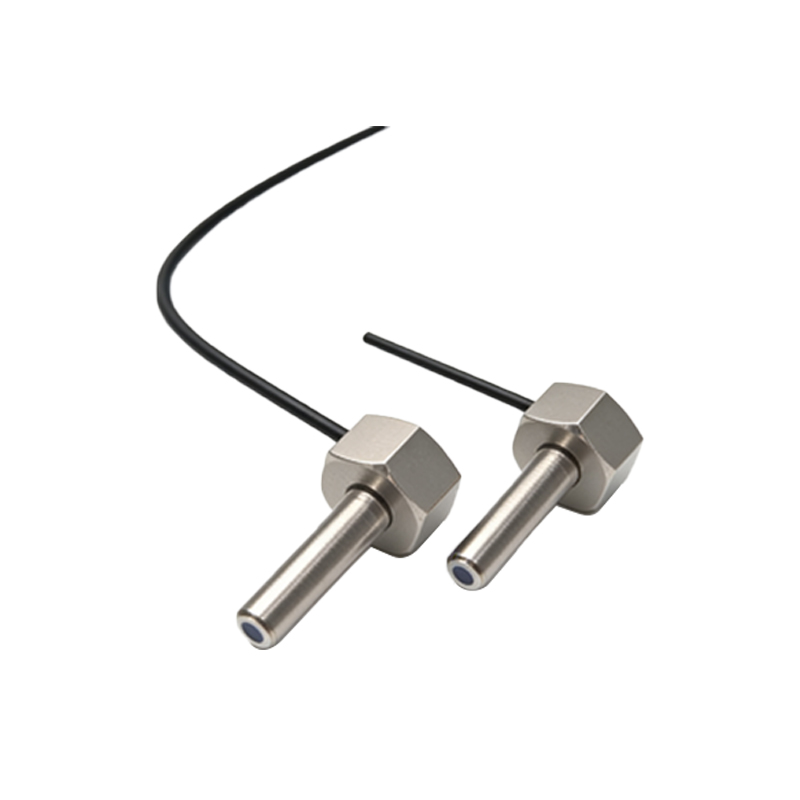
In practice, photoelectric sensors are deployed across diverse sectors. In packaging lines, they detect bottle presence for filling and capping operations. In conveyor systems, through-beam sensors monitor box jams or missing items. In robotics, diffuse sensors guide end-effector positioning. For automated warehousing, retro-reflective sensors verify pallet alignment on racks. Engineers should also consider special variants, such as background suppression sensors for transparent object detection or fiber optic sensors for confined spaces.
Installation and Maintenance Best Practices
Proper installation is key to sensor longevity. Align through-beam sensors using a laser alignment tool to avoid misalignment from vibration. For retro-reflective types, ensure the reflector is clean and not scratched. Avoid mounting near heat sources or high-voltage cables to minimize electrical noise interference. During maintenance, periodic cleaning of optical surfaces with a lint-free cloth and isopropyl alcohol prevents false triggers. Calibration checks every six months, using a reference target, help maintain accuracy in critical processes.
Troubleshooting Common Issues
Common failures include false triggers due to reflective surfaces nearby, intermittent detection caused by loose connectors, or reduced range from dust buildup. Engineers should first verify power supply stability within the specified voltage range (10-30 VDC). Use an oscilloscope to check output signal integrity if noise is suspected. For retro-reflective sensors, ensure the polarizing filter is intact to avoid cross-talk from other sensors. If the sensor fails to reset, test with a replacement unit to rule out internal component degradation.
Future Trends in Photoelectric Sensing
The industry is moving toward IO-Link communication-enabled sensors, which provide real-time diagnostic data, such as signal strength and contamination level, directly to the PLC. Smart sensors with self-teaching calibration and adjustable detection windows are being adopted for flexible manufacturing lines. Additionally, laser-based sensors are replacing traditional LEDs for sub-millimeter precision in electronics assembly. Engineers should stay updated on these advancements to optimize future system designs.