Understanding the Role of Photoelectric Sensors in Garage Systems
Photoelectric sensors are critical components in modern garage automation, ensuring safety, efficiency, and reliability. Unlike simple limit switches, these sensors use emitted light beams to detect obstacles, vehicle presence, or door position. For garage door openers, they are primarily used to prevent closing accidents by sensing objects in the path. As an electrical engineer, you must consider factors like sensing range, environmental resistance, and compatibility with control systems to avoid false triggers or failures in harsh garage conditions.
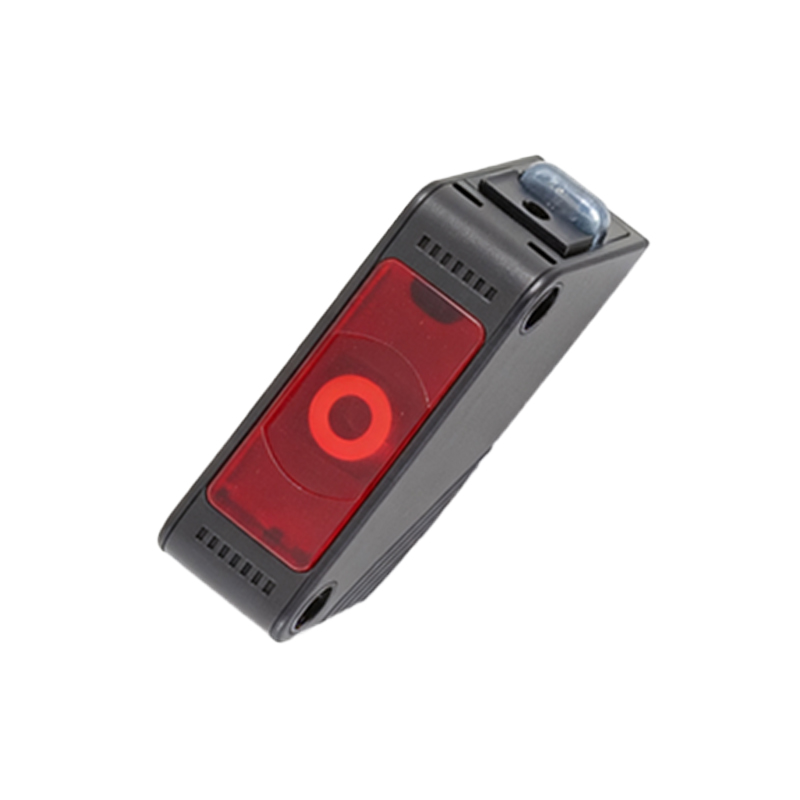
Key Selection Criteria: Sensing Technology and Range
Choose between through-beam, retro-reflective, and diffuse reflective sensors. Through-beam sensors offer the longest range (up to 30 meters) and are immune to surface color, making them ideal for high-traffic garages. Retro-reflective sensors are easier to install, with a range of 8-15 meters, but require a reflector. Diffuse sensors are compact but limited to 1-3 meters and sensitive to object color. For garage doors, through-beam or retro-reflective types are preferred due to their reliability in dusty environments. Ensure the sensor’s range covers the entire door width with a safety margin.
Environmental Considerations: Temperature, Dust, and Moisture
Garages experience temperature extremes, dust, oil, and moisture. Select sensors with IP65 or higher ratings to resist water and dust ingress. Operating temperature range should be at least -20°C to +60°C. For outdoor or semi-outdoor garages, consider models with anti-fogging lenses and corrosion-resistant housings (e.g., stainless steel or UV-stabilized plastic). Infrared sensors are common, but laser-based sensors offer longer range and better penetration through fog or dust, though at higher cost.
Output Signal and Integration with Control Systems
Most garage photoelectric sensors provide a digital NPN or PNP output, or an analog 4-20 mA signal for precise distance measurement. Ensure compatibility with your garage opener’s controller: many use a simple normally-closed loop that opens when the beam is broken. For smart garages, IO-Link sensors enable diagnostics and parameter adjustments. Check the sensor’s response time—typically less than 10 ms for safety-critical applications. Wiring should use shielded cables to avoid electromagnetic interference from motors.
Safety Standards and Compliance
Compliance with UL 325 (in North America) or EN 12453 (in Europe) is mandatory for garage door safety sensors. These standards require sensors to stop and reverse the door when the beam is interrupted. Look for sensors with self-testing features, such as periodic checks of emitter power and receiver sensitivity. Additionally, consider redundant sensor pairs for critical systems, as single-point failures can lead to accidents.
Cost vs. Reliability: Long-Term Value
While cheaper sensors may seem attractive, they often suffer from drift over time due to thermal changes, lens contamination, or component aging. Invest in industrial-grade brands like Banner, Omron, or SICK, which offer stable performance over 5-10 years. Calculate total cost of ownership, including installation, calibration, and replacement downtime. For high-cycle garages (e.g., commercial parking), opt for sensors with a minimum MTBF of 500,000 hours.
Installation and Troubleshooting Tips
Mount sensors at least 15 cm above the floor to avoid debris. Align emitter and receiver precisely using alignment tools or built-in indicators. During commissioning, test the sensor under various conditions: full sunlight, artificial light, and with reflective surfaces like car bumpers. Common issues include misalignment, dirty lenses, or voltage drop due to long cable runs. Use a multimeter to verify supply voltage (10-30 VDC) and output signal at the controller side.