Overview of the PMF50 Photoelectric Sensor
The PMF50 photoelectric sensor is a high-performance device designed for precise object detection in industrial automation. Manufactured by leading sensor technology providers, this sensor operates using a through-beam or retro-reflective principle, offering reliable detection over distances up to 50 meters. Its robust housing, rated IP67, ensures resistance to dust, moisture, and mechanical shocks, making it suitable for harsh environments like assembly lines, packaging plants, and material handling systems. The PMF50 features a compact form factor, easy alignment via visible red light, and outputs such as NPN/PNP or relay, catering to diverse PLC and control system interfaces.
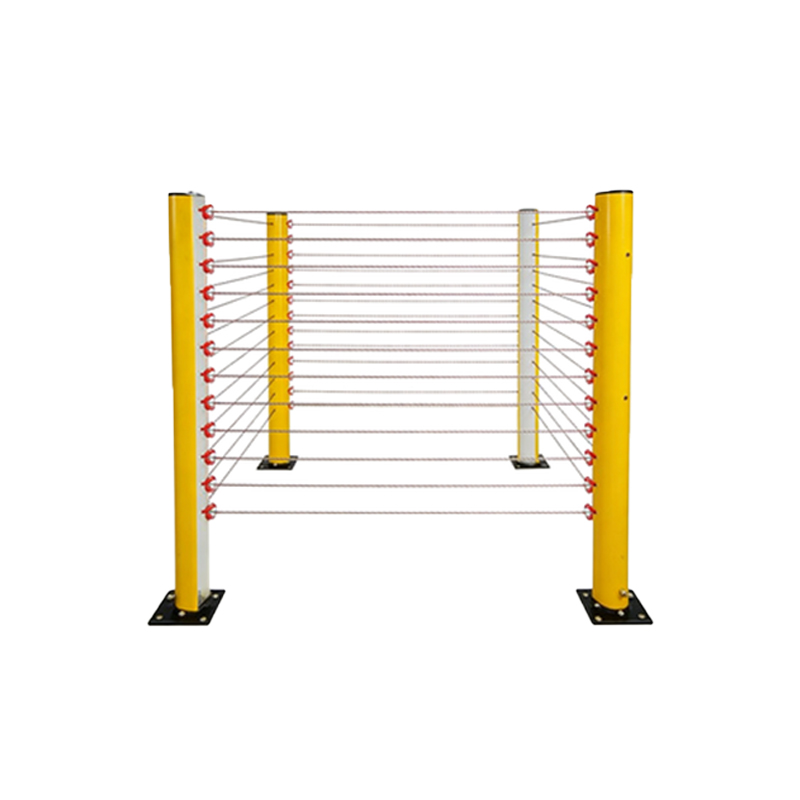
Key Technical Specifications and Performance
The PMF50 sensor excels in accuracy and speed. It typically boasts a response time of less than 1 millisecond, enabling high-speed counting and positioning tasks. The sensing range varies by model: up to 50 meters for through-beam (separate emitter and receiver) and 10 meters for retro-reflective with a reflector. It operates on a supply voltage of 10-30V DC, with reverse polarity and short-circuit protection. The LED indicator provides real-time status feedback, while the adjustable sensitivity trimmer allows fine-tuning for transparent, opaque, or reflective objects. Ambient light immunity, including sunlight and incandescent lamps, ensures stable performance in bright conditions.
Installation and Alignment Best Practices
Proper installation is critical for maximizing PMF50 performance. For through-beam setups, align the emitter and receiver precisely using the visible red light beam and mounting brackets. Ensure a clear line-of-sight without obstructions. For retro-reflective models, position the reflector perpendicular to the sensor and maintain a clean reflective surface to avoid signal loss. Use shielded cables and separate power lines from high-voltage equipment to minimize electrical noise. After mounting, perform a test run with target objects at varying distances to calibrate the sensitivity. Regularly clean the lens with a soft, lint-free cloth to prevent dust buildup.
Common Applications in Industrial Settings
The PMF50 is widely deployed in manufacturing, logistics, and automotive sectors. In conveyor systems, it detects product jams or missing items, triggering alarms or diverters. In packaging, it counts bottles, boxes, or cartons at high speeds, ensuring accurate batch sizes. For material handling, it monitors pallet positions or detects vehicle presence in automated guided vehicles (AGVs). Its long-range capability makes it ideal for large-scale warehouse doors, safety zones, and crane positioning. The sensor's compatibility with dark-colored or shiny surfaces expands its use in printing and metalworking industries.
Troubleshooting and Maintenance Tips
Common issues include false triggering, no output, or reduced range. Check for misalignment, dirty lenses, or damaged cables first. If false triggering occurs, adjust the sensitivity or verify that ambient light sources are not interfering. For no output, test the power supply voltage and output wiring polarity. Replace reflectors if scratched or faded. In moist environments, ensure the IP67 seal is intact and avoid condensation by using desiccants. Regular preventive maintenance, such as quarterly inspections and firmware updates (if applicable), extends sensor lifespan and minimizes downtime.
Conclusion: Why Choose the PMF50 for Your System
The PMF50 photoelectric sensor offers a balance of reliability, long-range detection, and ease of installation, making it a cost-effective solution for demanding automation tasks. Its robust design reduces maintenance costs, while versatile output options simplify integration with existing controls. By following best practices for setup and care, engineers can achieve optimal performance and maximize return on investment. For projects requiring high accuracy and durability, the PMF50 stands as a trusted choice in the sensor market.