Introduction to Photoelectric Sensors in Modern Automation
Photoelectric sensors are essential components in industrial automation, offering non-contact detection of objects, positions, and distances. Their dynamic settings allow engineers to adapt to varying environmental conditions, such as dust, lighting, and target reflectivity. Understanding how to configure these parameters ensures reliable performance and minimizes downtime in manufacturing lines.
Key Parameters for Dynamic Adjustment
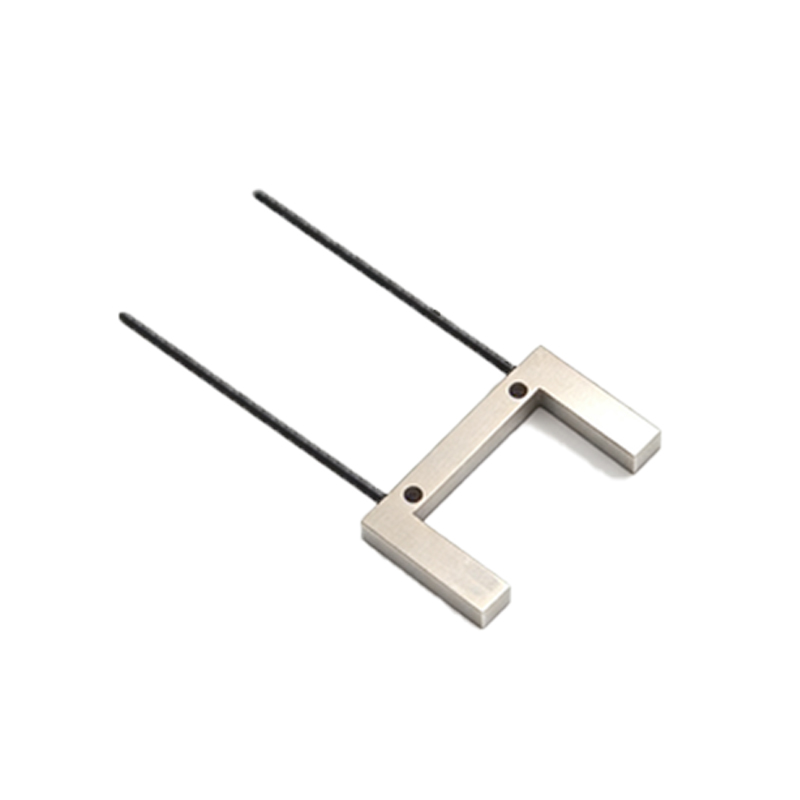
Dynamic settings include sensitivity, response time, and output type. Sensitivity adjustment compensates for changes in ambient light or target color, ensuring consistent detection. Response time settings are critical for high-speed applications, where delays can cause missed detections. Engineers must also select between NPN or PNP output configurations based on the control system’s requirements.
Techniques for Optimizing Sensitivity
To optimize sensitivity, use the teach-in function found in many modern sensors. This process involves presenting the target object and the background to the sensor, which automatically calibrates the threshold. For manual adjustment, start with a low sensitivity and gradually increase it until stable detection is achieved. Avoid oversensitivity to prevent false triggers from dust or vibrations.
Managing Environmental Interference
Environmental factors like fog, steam, or reflective surfaces can degrade sensor performance. Dynamic filtering algorithms, such as frequency modulation or pulse coding, help distinguish the sensor’s emitted signal from ambient interference. Positioning the sensor away from direct sunlight or using shielded enclosures also improves reliability.
Integrating Sensors with PLC Systems
Integrating dynamic settings into PLC logic allows real-time adjustments based on production data. For example, a PLC can change sensor thresholds when switching between product batches with different colors or sizes. Use communication protocols like IO-Link for seamless parameter updates without manual intervention.
Case Study: High-Speed Packaging Line
In a packaging line, sensors must detect transparent films at high speeds. Dynamic settings, such as adjusting gain and using polarized light, prevent missed detections. Engineers implemented a 1ms response time and background suppression to ignore the conveyor belt, reducing error rates by 30%.
Best Practices for Maintenance and Calibration
Regular calibration ensures long-term accuracy. Schedule automatic recalibrations during equipment idle periods. Clean sensor lenses based on environmental dust levels, and monitor signal strength trends to predict failures. Document all dynamic settings for troubleshooting and audits.
Conclusion: Future Trends in Sensor Technology
As factories adopt Industry 4.0, dynamic settings will become more intelligent, using machine learning to self-optimize. Engineers should stay updated on sensor firmware updates and emerging standards to maintain competitive automation systems.