Introduction to Photoelectric Smoke Detectors
Photoelectric smoke detectors are critical components in modern fire alarm systems, widely used in residential, commercial, and industrial settings. These devices utilize a light source and a photosensitive sensor to detect smoke particles, offering faster response to smoldering fires. However, like any electronic equipment, they are prone to failures due to environmental factors, aging, or improper installation. Understanding these common issues is essential for electrical engineers and maintenance technicians to ensure system reliability and safety.
Dust and Contamination Accumulation
One of the most frequent causes of failure in photoelectric smoke detectors is the accumulation of dust, dirt, or other airborne contaminants on the optical chamber. Over time, particles can scatter the light beam, triggering false alarms or reducing sensitivity. In industrial environments with high levels of particulates, such as factories or warehouses, this problem is exacerbated. Regular cleaning using compressed air or a soft brush is recommended, but careful handling is required to avoid damaging the sensitive components. If contamination persists, replacing the detector may be necessary.
Sensor Drift and Aging
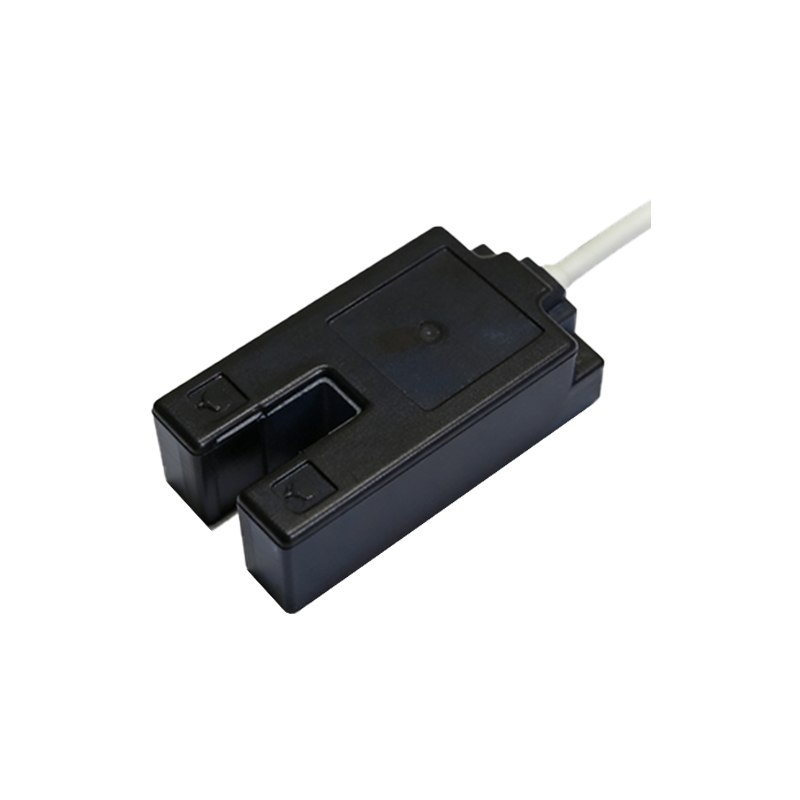
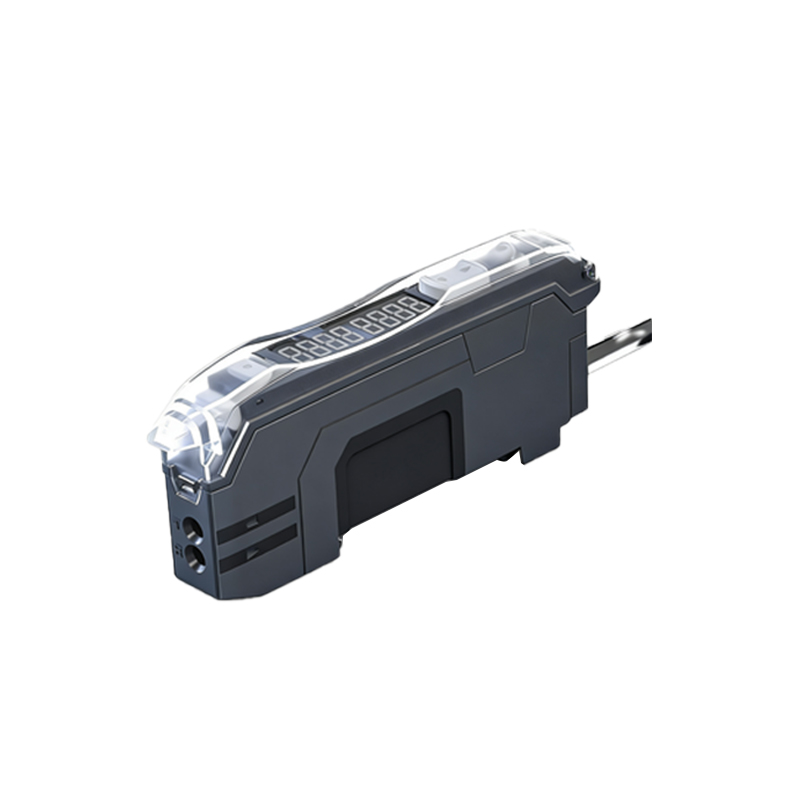
Photoelectric sensors can experience drift over extended periods, leading to gradual changes in baseline voltage or calibration. This aging effect often results in increased false alarms or delayed detection. The photodiode or LED may degrade due to thermal stress or voltage fluctuations, altering the light output or reception. Engineers should perform periodic sensitivity tests using specialized equipment. If drift exceeds the manufacturer's tolerance, replacing the sensor module or entire detector is advised to maintain compliance with fire safety standards.
Electrical and Wiring Issues
Electrical failures, such as loose connections, corrosion at terminals, or power supply inconsistencies, are common in photoelectric smoke detectors. Poor wiring can cause intermittent signals, leading to nuisance alarms or complete malfunction. In multi-detector systems, voltage drops across long cable runs may prevent proper operation. Troubleshooting should begin with checking terminal blocks for tightness and inspecting for signs of oxidation. Using shielded cables and proper grounding can mitigate these issues. Always verify that the detector receives the specified voltage and current per the datasheet.
Environmental Interference
Environmental factors like high humidity, temperature extremes, or air drafts can affect photoelectric detector performance. Condensation inside the optical chamber may create false readings, while strong airflow from HVAC systems can disperse smoke particles, delaying detection. In industrial settings, steam or chemical vapors may cause erroneous alarms. Selecting detectors with appropriate environmental ratings, such as IP protection, is crucial. Additionally, positioning detectors away from vents, kitchens, or boiler rooms reduces false triggers.
LED or Photodiode Failure
The LED and photodiode are the core optoelectronic components in a photoelectric smoke detector. Failure of these parts can occur due to manufacturing defects, electrical surges, or thermal stress. Symptoms include the detector failing to respond to smoke or emitting constant alarms. Testing with a smoke simulator or multimeter can diagnose such failures. Replacement of the detector is typically more cost-effective than repairing individual components, given the low cost of modern units.
False Alarm Triggers
False alarms remain a major operational issue, often caused by cooking fumes, steam, or aerosol sprays. While photoelectric detectors are less prone to false alarms than ionization types, they are not immune. Engineers should educate users on proper placement and consider integrating detectors with alarm verification features, such as time delays or cross-zone signaling. In critical applications, using detectors with adjustable sensitivity can help balance response time and false alarm reduction.
Testing and Maintenance Best Practices
Regular testing is vital for ensuring photoelectric smoke detector functionality. Use a test button or a smoke canister to verify alarm activation. For comprehensive diagnostics, measure the detector's sensitivity using a calibrated tool. Maintenance schedules should align with NFPA 72 or local codes, typically requiring quarterly checks and annual professional inspections. Document all test results and failures for trend analysis. When replacing units, choose detectors with advanced features like self-diagnostics or communication capabilities for easier integration into modern fire alarm systems.
Conclusion
Understanding and addressing common failures of photoelectric smoke detectors enhances fire safety and system reliability. By focusing on contamination control, electrical integrity, environmental placement, and regular maintenance, electrical engineers can minimize downtime and false alarms. Proactive troubleshooting and adherence to industry standards ensure these critical devices perform as intended, protecting lives and property.