Understanding Photoelectric Sensor Codes
Photoelectric sensors are essential components in industrial automation, providing reliable object detection, distance measurement, and position sensing. Their codes and names follow specific conventions to indicate detection type, output configuration, and physical characteristics. Common codes include "E3Z" for basic diffuse reflective sensors or "E3FZ" for fiber optic types, where "E" denotes photoelectric, "3" indicates the series, and "Z" represents standard functionality. Understanding these alphanumeric patterns helps engineers select the correct sensor for applications like conveyor belt monitoring or packaging line control.
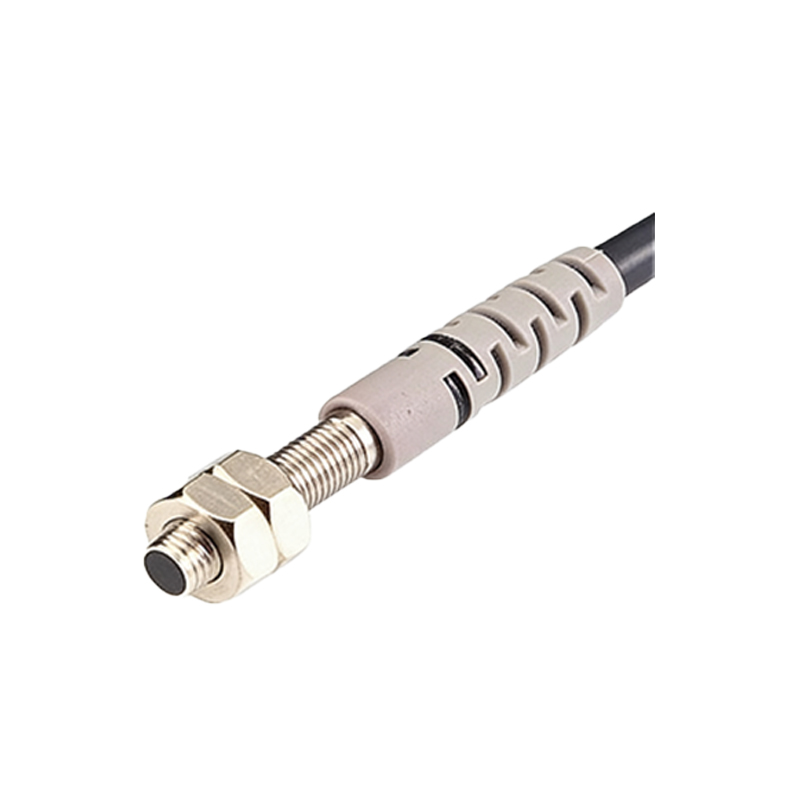
Common Photoelectric Sensor Name Patterns
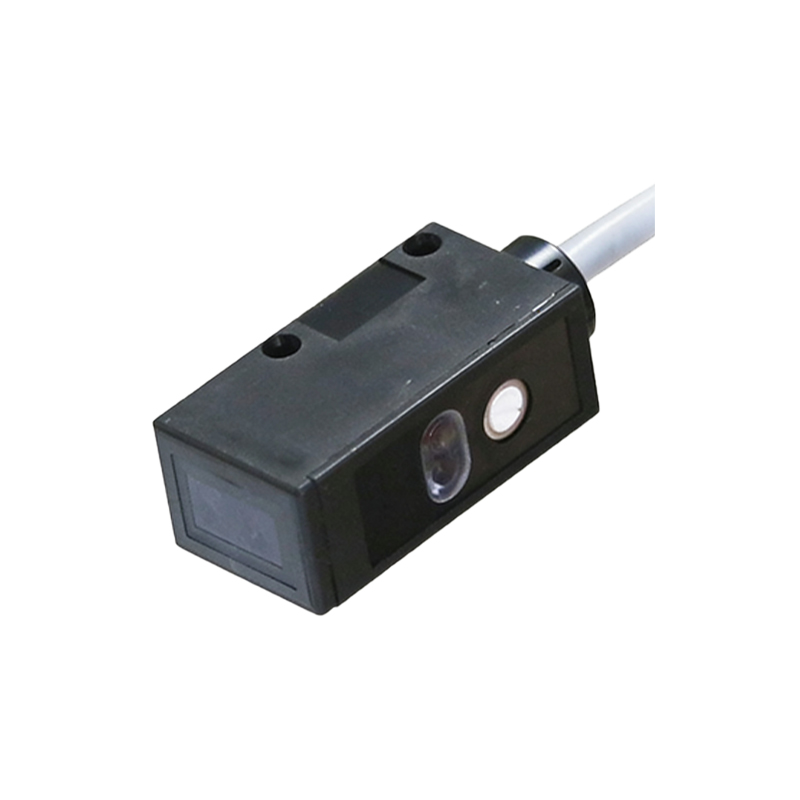
Manufacturers like Omron, Keyence, and SICK use structured naming for photoelectric sensors. For example, "E3X-NA11" breaks down as "E3X" for amplifier-separated sensors, "NA" for NPN output, and "11" for cable length. Similarly, "CX-441" from Panasonic indicates a compact retro-reflective sensor with a 4-meter sensing range. These names often include prefixes for series (e.g., "Q" for photoelectric), suffixes for output type (e.g., "PNP" or "NPN"), and numeric codes for specific features like sensing distance or response time.
Key Parameters in Photoelectric Sensor Nomenclature
When decoding sensor names, focus on three critical parameters: sensing mode, output type, and connection details. Sensing modes include "Through-beam" (T), "Retro-reflective" (R), "Diffuse reflective" (D), and "Background suppression" (B). Output types are typically "NPN" (sinking) or "PNP" (sourcing), with some sensors offering "Analog" or "IO-Link" communication. Connection codes like "C" for connector type, "M12" for thread size, and "5m" for cable length are standard. For instance, "E3Z-D62" specifies a diffuse reflective sensor with NPN output and a 2-meter cable.
Industry Standards and Custom Naming
Adherence to IEC 60947-5-2 ensures global compatibility, but many manufacturers add custom codes. "SICK G6" series uses "G6-2A" for a 2-meter sensing range with automatic adjustment. "Keyence FU-20" denotes a fiber optic unit, while "Omron E3C" indicates an amplifier with separate sensors. Always cross-reference datasheets to avoid misinterpretation. For example, a sensor labeled "E3JK-5DM1" combines "J" for junction box, "K" for case material, "5D" for 5-meter diffuse range, and "M1" for mounting bracket type.
Practical Tips for Selecting Photoelectric Sensors
To match sensor names with application needs:
1. Verify sensing mode—through-beam for long range (up to 30m), retro-reflective for medium range (up to 10m), and diffuse for short range (under 1m).
2. Check output compatibility—NPN for sinking inputs, PNP for sourcing.
3. Confirm environmental ratings—IP67 for washdown zones, IP69K for food processing.
4. Use codes like "E3Z-LS61" where "L" indicates laser type, "S" for stainless steel housing, and "61" for 6-meter range. Always test in your specific environment to ensure performance.
Conclusion: Decoding Sensor Names for Efficiency
Mastering photoelectric sensor codes and names streamlines procurement and troubleshooting. For instance, recognizing "E3Z-R61" as a retro-reflective sensor with NPN output and 6-meter range saves time during system design. By focusing on systematic naming structures, engineers can quickly identify the right sensor for any industrial task, from simple part detection to complex positioning.