Introduction to Photoelectric Sensors in Membrane Applications
In the field of electrical engineering, photoelectric sensors have become essential tools for precise detection of waterproof membranes in industrial environments. These sensors operate by emitting a beam of light, typically in the infrared or visible spectrum, and measuring the reflected or transmitted light to determine the presence, absence, or thickness of a membrane. For waterproof membrane applications, engineers often rely on through-beam or diffuse reflective sensors due to their ability to handle varying surface textures and translucencies. The key advantage lies in non-contact measurement, which prevents damage to the delicate membrane while ensuring high-speed detection in automated production lines. In practice, careful calibration is required to account for membrane color, moisture, and ambient light interference, making sensor selection and installation a critical engineering challenge.
Sensor Selection Criteria for Waterproof Membranes
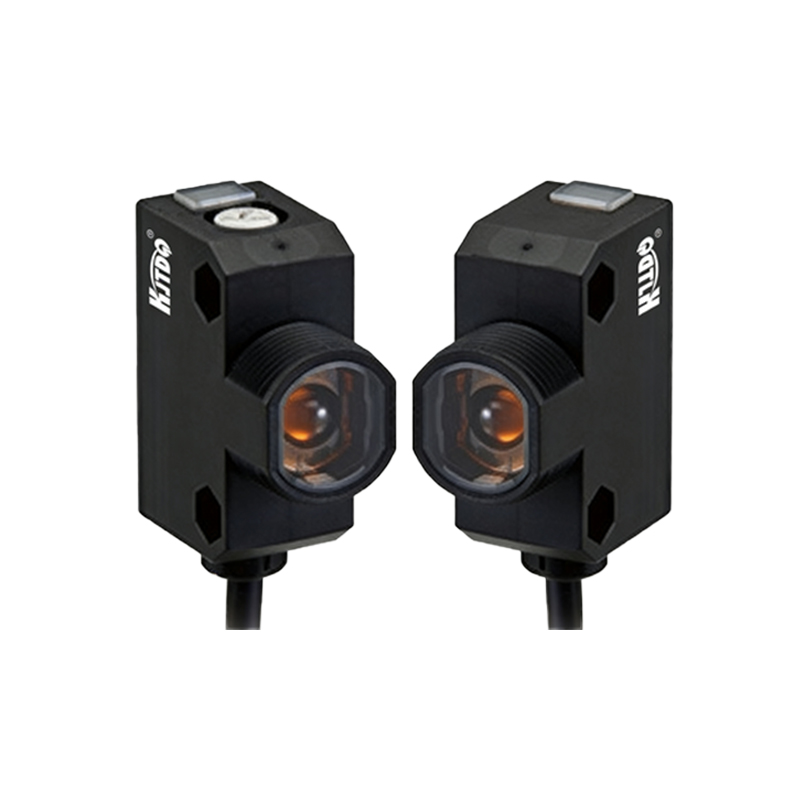
When selecting a photoelectric sensor for waterproof membrane detection, engineers must consider several critical parameters. First, the sensing range must match the distance between the sensor and the membrane surface, typically ranging from 10 mm to 500 mm in automated assembly systems. Second, the wavelength of the emitted light should be chosen based on the membrane’s optical properties; for example, infrared sensors are effective for dark or translucent membranes while visible red light works well for highly reflective surfaces. Third, the response time should be less than 1 millisecond to keep pace with high-speed conveyor belts. Additionally, ingress protection (IP) ratings, such as IP67 or IP69K, are mandatory for environments with moisture or chemical exposure, as common in waterproof membrane manufacturing. Engineers also prioritize sensors with background suppression features to avoid false triggers from adjacent machinery.
Installation and Calibration Best Practices
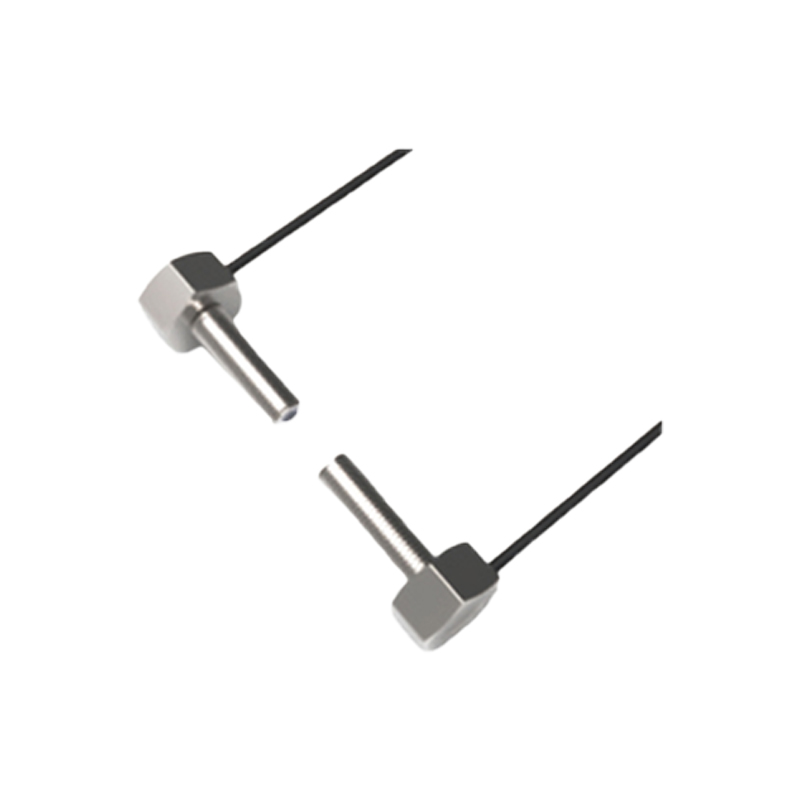
Proper installation and calibration are vital for accurate waterproof membrane detection. Begin by mounting the sensor at a perpendicular angle to the membrane surface to minimize light scattering and maximize signal strength. For diffuse reflective sensors, ensure the sensing head is at a distance where the membrane’s reflectivity is consistent; test with sample membranes of varying thicknesses from 0.1 mm to 2 mm. Calibration should involve setting the output threshold to distinguish between membrane presence and absence, using a teach-in process if available. Engineers should also account for temperature drift, as sensors may require recalibration when ambient temperatures shift beyond 10 degrees Celsius. To enhance reliability, use a fixed mounting bracket with vibration damping and install a protective shield against dust or liquid splashes. After installation, conduct a dynamic test by running the membrane through the detection zone at operational speed, verifying that the sensor triggers consistently without false positives or negatives.
Troubleshooting Common Detection Issues
Even with careful design, engineers may face detection issues in waterproof membrane applications. One common problem is signal degradation due to membrane moisture, which can cause light refraction or absorption; to mitigate this, use sensors with adjustable gain or select a wavelength less affected by water, such as 940 nm infrared. Another issue is background interference from reflective surfaces like metal rollers or white conveyor belts; employ sensors with polarized light or a narrow beam angle to isolate the membrane. If the membrane is highly transparent, through-beam sensors with opposed optics offer better reliability than diffuse models. When experiencing intermittent detection, check for electrical noise from nearby motors or inverters by using shielded cables and ferrite cores. Finally, if the sensor fails intermittently, inspect the lens for contamination and clean it with a lint-free cloth and isopropyl alcohol. Maintaining a log of all troubleshooting steps helps in refining the detection system over time.
Future Trends in Photoelectric Sensor Technology
The evolution of photoelectric sensor technology promises enhanced capabilities for waterproof membrane detection. Emerging trends include the integration of smart sensors with industrial Internet of Things (IoT) connectivity, enabling real-time data logging and predictive maintenance through cloud-based analytics. Multi-spectral sensors, which combine visible and infrared light, can now differentiate between membrane types based on spectral signatures, reducing false alarms in mixed-material production lines. Additionally, machine learning algorithms are being applied to sensor output to adapt to changing membrane conditions, such as variations in thickness or surface roughness. Compact and energy-efficient designs are also gaining traction, with sensors operating on low-power wireless protocols like Bluetooth Low Energy for flexible deployment. For the electrical engineer, staying updated with these advancements is essential to design robust, future-proof detection systems that maximize productivity and quality in waterproof membrane manufacturing.