Introduction to Photoelectric Sensors in Automation
Photoelectric sensors are essential components in modern industrial automation, used for detecting objects, distances, and material presence without physical contact. As a senior electrical engineer, I have worked with numerous brands across various applications, from packaging lines to robotic systems. The choice of sensor brand can significantly impact system reliability, response time, and overall cost. Below, I highlight the most reputable brands based on performance, durability, and technical support.
Key Players in the Global Market
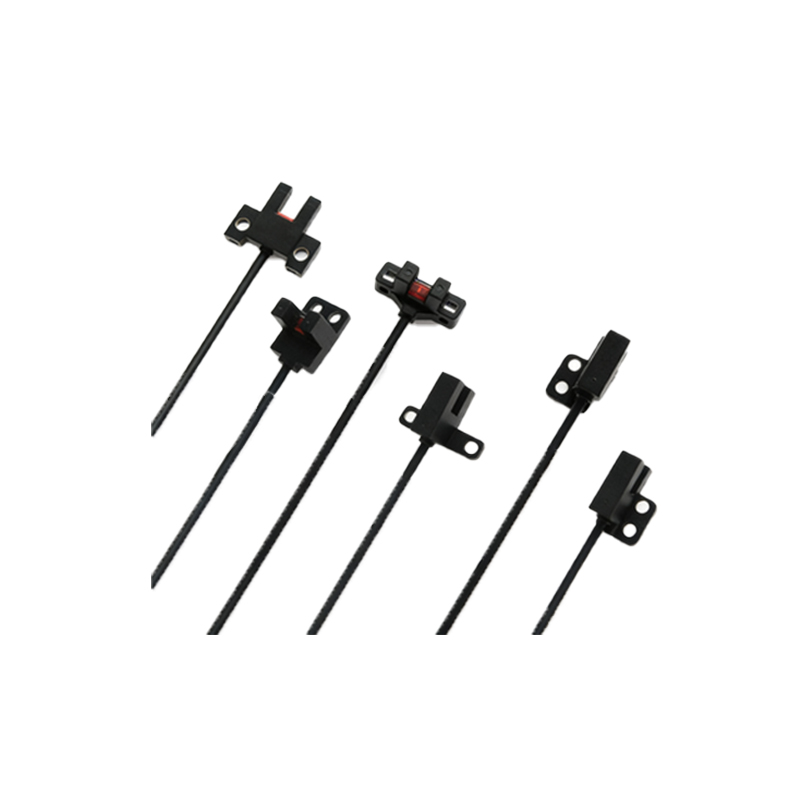
The global photoelectric sensor market is dominated by established industrial automation leaders. Sick AG (Germany) is renowned for its high-precision sensors like the WL12 series, offering excellent ambient light immunity and long sensing ranges. Banner Engineering (USA) excels with user-friendly models such as the Q4X, featuring intuitive setup and robust housing for harsh environments. Omron (Japan) provides versatile solutions like the E3Z series, known for compact design and stable detection of transparent objects. These brands are widely adopted in automotive, food, and pharmaceutical industries.
European Precision and Reliability
Pepperl+Fuchs (Germany) is a top choice for hazardous area applications, with sensors like the ML100 series offering intrinsic safety. Balluff (Germany) focuses on rugged designs, such as the BOS series, which withstand high vibration and temperature extremes. Leuze electronic (Germany) specializes in specialized sensors for logistics, like the 60B series with background suppression. These European brands emphasize quality certifications (CE, UL) and long service life, though they may come at a premium cost.
American Innovation and Flexibility
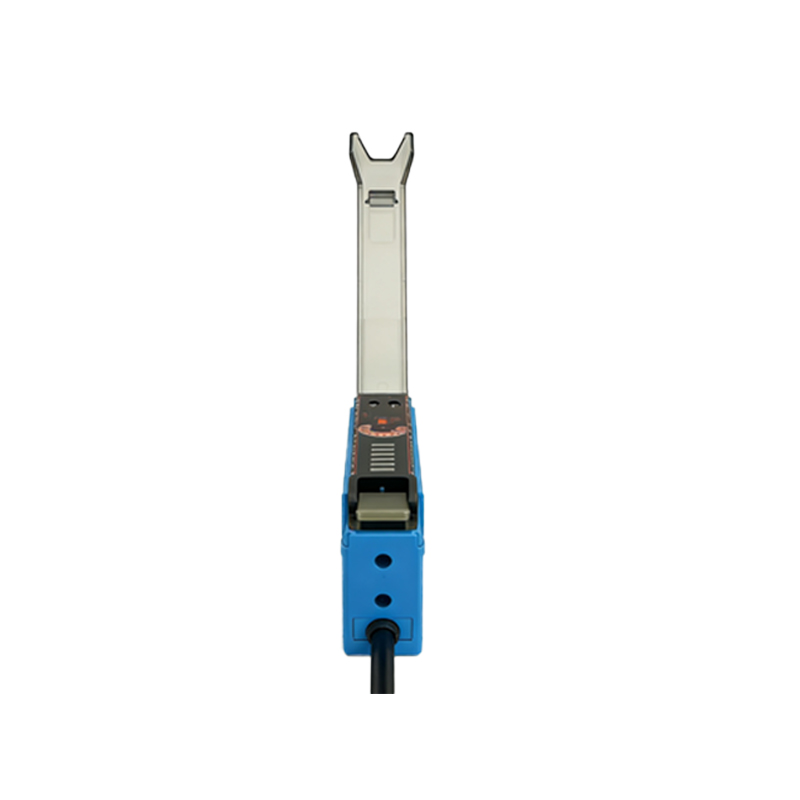
Banner Engineering remains a favorite in North America for its innovative features, such as IO-Link communication and programmable outputs. AutomationDirect (USA) offers cost-effective alternatives like the Photoelectric Sensor (PES) series, ideal for budget-conscious projects without sacrificing basic performance. Rockwell Automation (Allen-Bradley) provides integrated solutions with the 42EF series, seamlessly connecting to ControlLogix PLCs. These brands prioritize ease of integration and on-site support.
Japanese Efficiency and Compactness
Omron dominates with compact sensors like the E3C series, designed for space-constrained applications. Keyence (Japan) is known for high-performance models like the LR-Z series, offering powerful detection in small form factors. Panasonic (Japan) provides reliable options like the CX-400 series, with built-in amplifiers for simple wiring. Japanese brands excel in miniaturization and consistent quality, often used in electronics manufacturing.
Emerging and Specialized Brands
Turck (Germany) offers robust M18 tubular sensors, popular in mobile equipment. Ifm Electronic (Germany) provides IO-Link enabled sensors with predictive maintenance features. Wenglor (Germany) focuses on high-speed detection for printing and packaging. For budget projects, Shenzhen Yijiajie (China) and Carlo Gavazzi (Italy) provide functional alternatives, though with shorter lifespans. Always verify specifications for your specific environment.
Selection Tips for Engineers
When choosing a photoelectric sensor brand, consider these factors: ambient light rejection for outdoor use, sensing range (up to 30m for retro-reflective models), response time (below 1ms for high-speed lines), and environmental ratings (IP67 or higher). For corrosive or wash-down areas, prefer stainless steel housings. Always request free samples or demo units from Sick, Banner, or Omron to test in your actual setup. Reputable brands also offer comprehensive technical documentation and 24/7 support.
Conclusion: Balancing Performance and Cost
In my experience, no single brand fits all applications. Sick and Banner lead in performance and reliability, while Omron offers best-in-class compactness. For cost-sensitive projects, AutomationDirect or Keyence provide good value. Always prioritize sensor compatibility with your existing control system and environmental conditions. Investing in quality brands reduces downtime and maintenance costs in the long run.