Why Supplier Selection Matters in Photoelectric Sensing
In modern industrial automation, photoelectric sensors play a critical role in object detection, positioning, and counting. The reliability of these sensors directly impacts production line efficiency and product quality. Choosing the right supplier is not just about price—it involves evaluating technical expertise, product variety, and after-sales support. A reputable supplier offers sensors that withstand harsh environments, such as dust, moisture, and temperature fluctuations, ensuring minimal downtime and maintenance costs.
Key Product Types and Their Applications
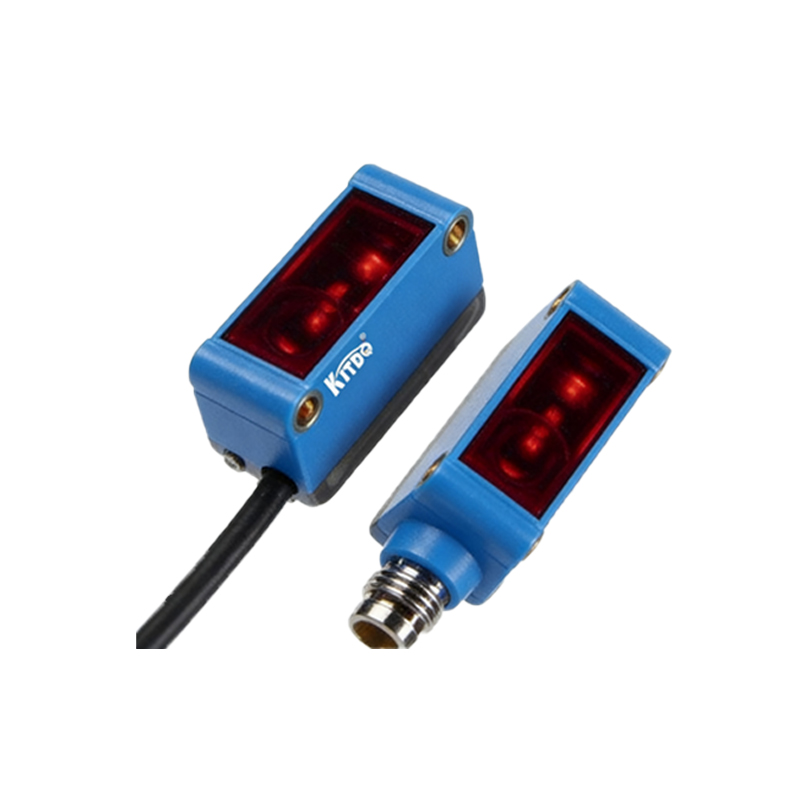
Leading suppliers provide a range of photoelectric sensors tailored to different tasks. Through-beam sensors offer long-range detection ideal for conveyor systems, while retro-reflective sensors simplify installation in tight spaces. Diffuse sensors are perfect for detecting transparent or shiny objects. Additionally, advanced models like laser-based sensors ensure high precision for small parts in electronics assembly. A good supplier stocks all these types, allowing engineers to select the best fit for their specific environment.
Quality Standards and Certifications to Verify
When evaluating a photoelectric sensor manufacturer, check for compliance with international standards such as ISO 9001 for quality management and CE marking for safety in the European market. Sensors should also meet IP67 or higher ingress protection ratings for washdown environments in food and beverage industries. Reliable suppliers provide detailed specification sheets and testing data, confirming that their products can operate consistently under vibration, electrical noise, and extreme light conditions.
Customization and Technical Support
Not all industrial setups can use standard off-the-shelf sensors. A top-tier supplier offers customization options, such as modified cable lengths, special mounting brackets, or tailored output logic (e.g., PNP/NPN). Furthermore, they provide responsive technical support, including application engineering assistance to help design the optimal sensor layout. This collaboration reduces trial-and-error time and enhances system integration, especially for complex machinery like robotic arms or packaging lines.
Lead Times and Supply Chain Reliability
In the fast-paced industrial sector, delayed deliveries can halt entire production runs. Therefore, choose a supplier with a proven track record of on-time shipping and a robust inventory management system. Many established manufacturers maintain regional warehouses or partner with local distributors to ensure quick access to common models. Also, inquire about their capability to handle urgent orders or replacements for critical sensors during system failures.
Long-Term Partnership and Cost Efficiency
While upfront cost is important, the total cost of ownership includes sensor longevity and replacement frequency. High-quality photoelectric sensors from a reliable supplier often have longer lifespans, reducing recurring expenses. Look for suppliers offering warranty periods of at least two years and clear return policies. Establishing a long-term relationship can also lead to volume discounts, prioritized support, and early access to new product innovations that keep your facility competitive.