Introduction to Maxcess Photoelectric Sensors
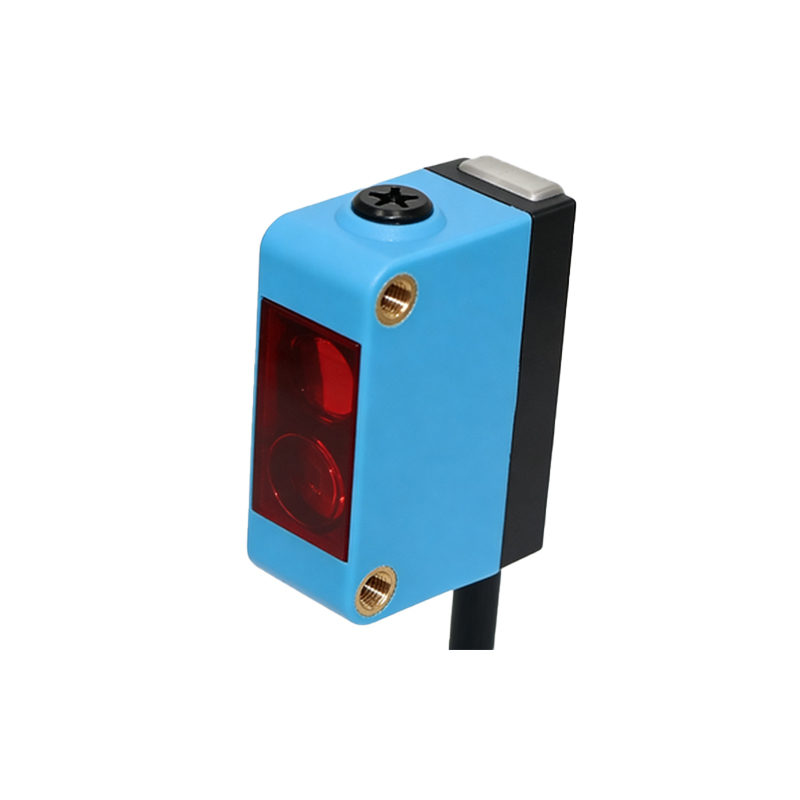
Maxcess Photoelectric Sensors are critical components in modern industrial automation systems, designed to detect objects, measure distances, and ensure precise material handling. As an electrical engineer with years of experience in the field, I can attest to their reliability in high-speed production lines. These sensors utilize advanced optical technologies, including through-beam, retro-reflective, and diffuse modes, to adapt to various environmental conditions. Their robust construction meets IP67 standards, making them suitable for harsh manufacturing floors. In this article, we will explore their technical features, application scenarios, and integration best practices.
Key Technical Specifications
The Maxcess sensor family operates on a wavelength of 660 nm (visible red light) for enhanced alignment accuracy. They feature a sensing range from 0.1 m to 30 m, depending on the model and object reflectivity. Output options include NPN/PNP configurations, analog signals (0-10 V or 4-20 mA), and IO-Link communication for smart factories. Response time is as low as 0.5 ms, crucial for high-speed web processes like printing or converting. The sensors maintain stable performance within a temperature range of -25°C to 55°C, with shock resistance up to 30 g. These specs ensure minimal downtime and consistent quality in demanding applications.
Installation and Calibration Best Practices
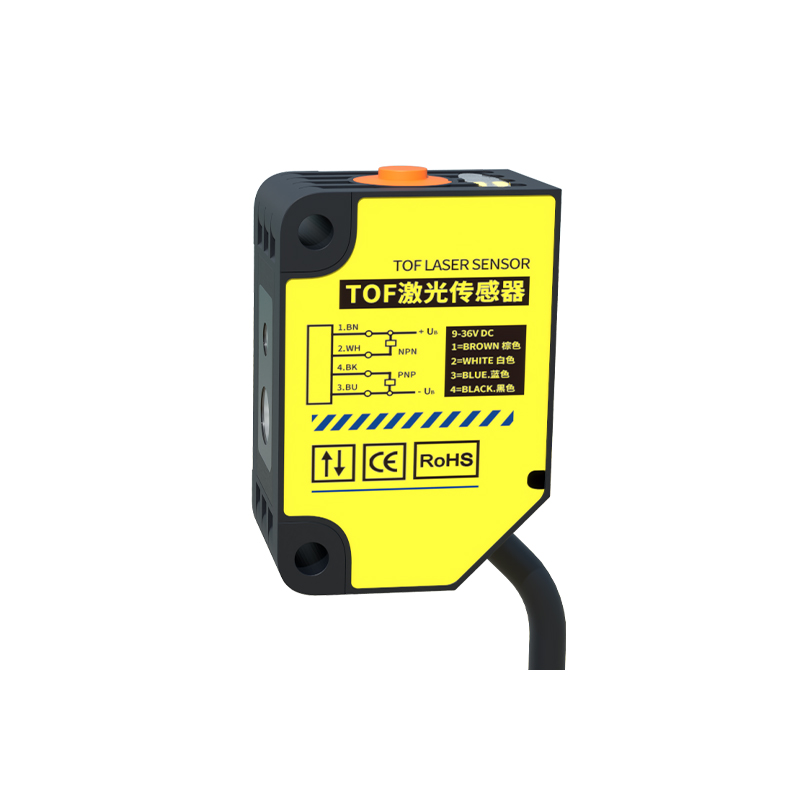
Proper installation is vital for maximizing sensor performance. For through-beam models, ensure emitter and receiver are precisely aligned using the built-in LED indicator. Retro-reflective sensors require a clean reflector surface, free from dust or scratches. When using diffuse sensors, factor in the background reflectivity to avoid false triggers. Always mount the sensor away from vibration sources, using rigid brackets. Calibration should follow a step-by-step procedure: set the sensitivity threshold based on the target color and texture, conduct a test run with actual production materials, and adjust the potentiometer for optimal signal-to-noise ratio. Regular cleaning with a soft cloth prevents lens contamination.
Common Industrial Applications
In the packaging industry, Maxcess sensors detect transparent films and small labels on high-speed conveyors. For metalworking, they monitor sheet thickness and edge alignment in stamping presses. The textile sector benefits from their ability to detect fabric breaks without contact. In web handling systems, these sensors ensure accurate tension control by providing real-time feedback to PLCs. The IO-Link variant allows parameters to be remotely adjusted, reducing manual intervention. A notable case is in the paper converting industry, where sensors reduce waste by 12% through precise splice detection. Their versatility makes them indispensable for any automated process requiring non-contact detection.
Troubleshooting Common Issues
Frequent problems include false triggering due to ambient light interference. Solutions involve using lens hoods or adjusting the modulation frequency. If the sensor fails to detect targets, check for misalignment or power supply fluctuations (ensure voltage within 10-30 V DC). For dirty environments, install air-purge systems to keep optics clear. When analog output drift occurs, verify the wiring shield integrity. IO-Link communication errors often relate to incorrect master configuration; confirm the device ID and baud rate. Always refer to the manual for specific error codes, and maintain a log of calibration changes for future audits.
Future Trends and Recommendations
Maxcess is integrating AI-based algorithms for predictive maintenance, reducing unplanned downtime. The next-generation sensors will feature multi-spectral detection for improved material discrimination. For engineers, I recommend selecting models with IO-Link for Industry 4.0 readiness. When specifying sensors, consider the target material properties (e.g., gloss, transmittance) and ambient conditions (dust, humidity). Always conduct a pilot test before full deployment. With proper selection and maintenance, Maxcess photoelectric sensors deliver a service life of over 50,000 hours, offering a strong return on investment for automation projects.