Introduction to CCD Photoelectric Sensors
CCD (Charge-Coupled Device) photoelectric sensors are advanced optical sensing devices widely used in industrial automation. Unlike traditional photoelectric sensors that rely on simple light detection, CCD sensors utilize an array of photodiodes to capture detailed spatial information. This allows for precise measurement of object position, size, shape, and even surface defects. In manufacturing environments, these sensors excel in high-speed inspection tasks where accuracy and reliability are critical, such as in semiconductor wafer alignment or printed circuit board (PCB) quality control.
Core Working Principle
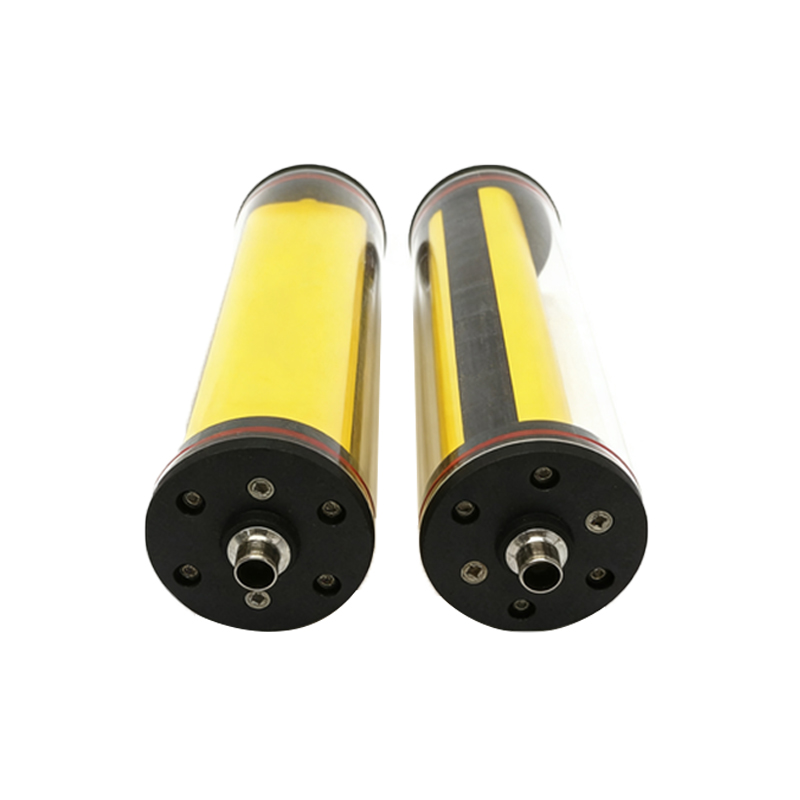
The operation of a CCD photoelectric sensor begins with a light source, typically an LED or laser, which illuminates the target object. Reflected or transmitted light is then focused onto the CCD chip through a lens system. The chip consists of thousands to millions of light-sensitive pixels that convert photons into electrical charges. These charges are sequentially transferred and read out as a digital signal, creating a high-resolution image or profile. The sensor’s microcontroller processes this data to detect edges, measure distances, or identify patterns. Key advantages include high sensitivity, low noise, and the ability to capture fast-moving objects without motion blur.
Key Advantages in Industrial Settings
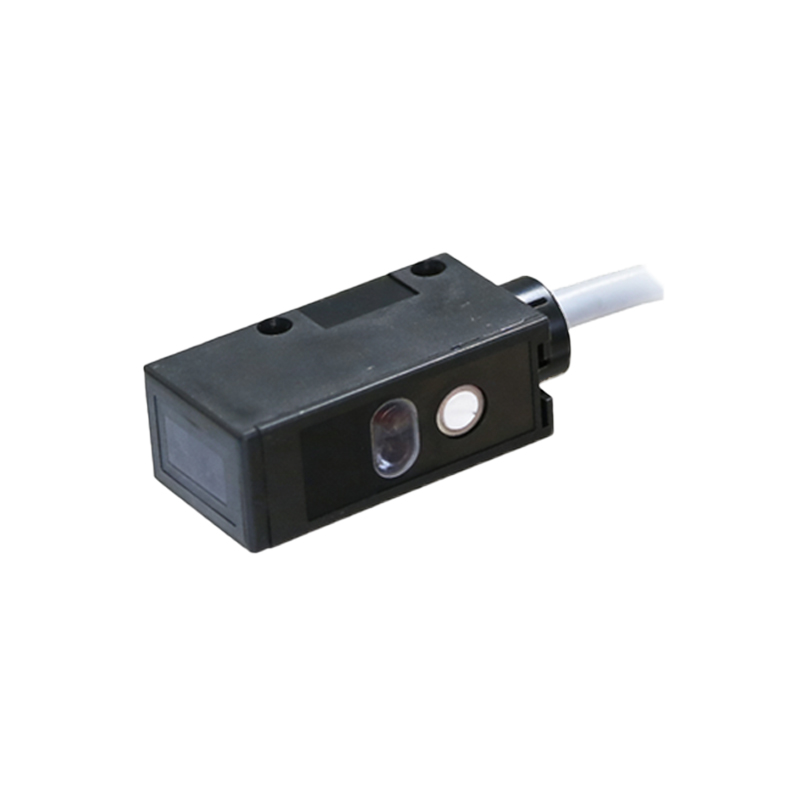
CCD-based sensors offer several distinct benefits over conventional photoelectric or laser sensors. First, they provide superior resolution, enabling detection of sub-millimeter features. Second, their multi-pixel structure allows simultaneous measurement of multiple points, reducing cycle time. Third, they are less affected by ambient light interference due to advanced filtering algorithms. For example, in automotive assembly lines, CCD sensors can verify the presence and alignment of tiny components like O-rings or springs with near-zero error rates. Additionally, their non-contact nature ensures no wear on delicate parts, extending equipment lifespan.
Common Applications and Use Cases
In the electrical and electronics industry, CCD sensors are indispensable for processes such as lead frame inspection, connector pin counting, and label positioning. They are also used in packaging to detect seal integrity or product count. In robotics, CCD sensors guide grippers to pick and place components with micron-level precision. Another critical application is in optical character recognition (OCR) for tracking serial numbers on circuit boards. The ability to store reference images allows for real-time comparison against a master pattern, instantly rejecting defective units.
Selection and Integration Tips
When choosing a CCD photoelectric sensor for a specific task, consider factors like required resolution, field of view, and output interface (e.g., analog, digital, or industrial Ethernet). Sensors with higher pixel counts offer finer detail but may require more processing power. For harsh environments, look for models with IP67 ratings or built-in dust protection. Integration into a PLC or vision system often requires software configuration tools that set threshold parameters and trigger sources. Always test the sensor under actual lighting and background conditions to verify performance. Proper mounting and alignment are crucial to avoid false readings.
Future Trends and Developments
The evolution of CCD technology continues with higher frame rates and smaller pixel sizes, enabling inspection of ever-faster production lines. Hybrid sensors combining CCD with CMOS features are emerging, offering the best of both worlds: high image quality and low power consumption. Artificial intelligence (AI) integration is also gaining traction, where neural networks process CCD data for anomaly detection without manual programming. As Industry 4.0 demands more data from the factory floor, CCD sensors will play a pivotal role in smart manufacturing, providing the eyes for automated quality assurance systems.