Introduction to Circular Transparent Photoelectric Sensors
In modern industrial automation, photoelectric sensors play a critical role in detecting objects, measuring distances, and ensuring precision control. Among various designs, the circular transparent photoelectric sensor stands out due to its unique housing geometry and optical characteristics. These sensors are engineered to integrate seamlessly into compact systems, offering reliable detection of transparent or translucent materials such as glass, plastic films, and clear liquids. This article explores the technical specifications, operational principles, and real-world applications of these specialized sensors.
Design and Optical Configuration
The circular transparent photoelectric sensor typically features a ring-shaped housing, often made of high-grade stainless steel or industrial polymer, with a transparent window at the center. This design allows for a 360-degree detection field in some models, making it ideal for applications where the target object’s orientation varies. The sensor employs a modulated infrared or visible light beam that passes through the transparent medium. To handle transparent targets, advanced signal processing algorithms are used to differentiate between a true object and background reflections. The optical configuration often includes a lens system that focuses the beam to a narrow point, enhancing sensitivity to thin or low-contrast materials.
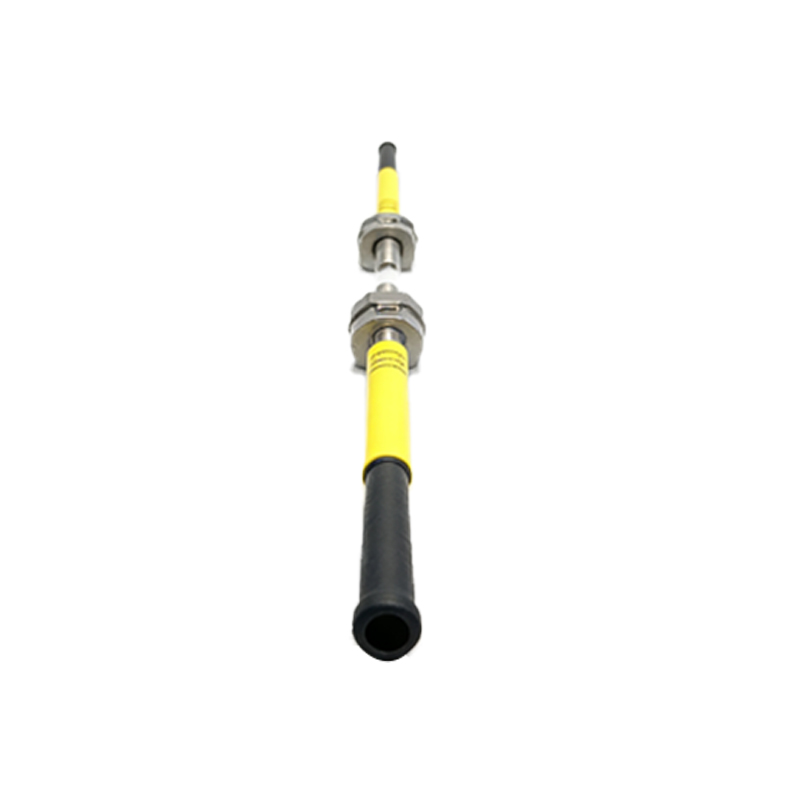
Operating Principle and Detection Modes
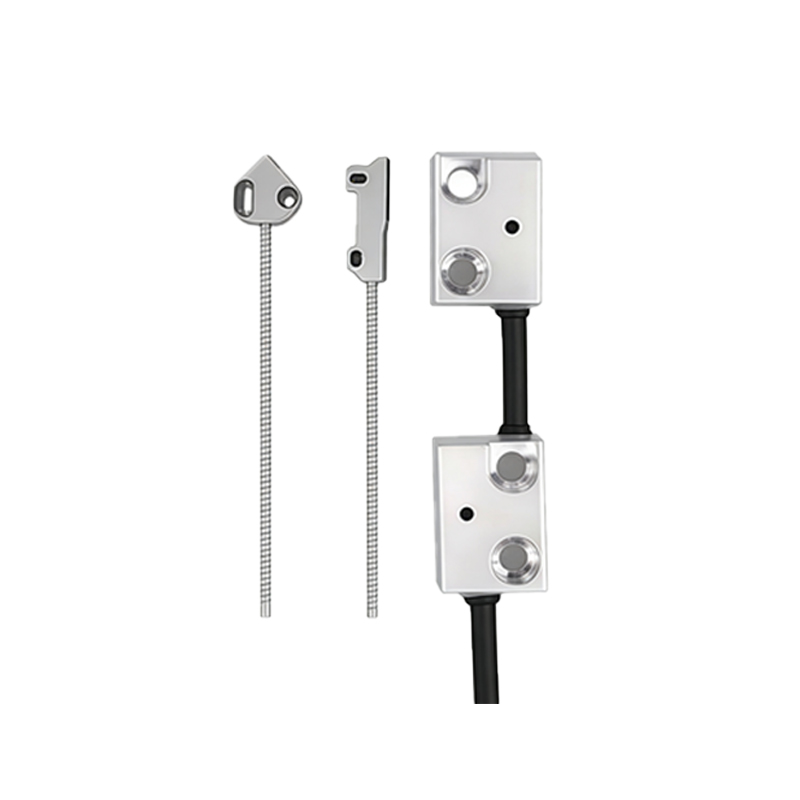
Circular transparent photoelectric sensors typically operate in one of three modes: through-beam, retro-reflective, or diffuse. In through-beam mode, the emitter and receiver are separate, with the circular transparent housing allowing the beam to pass through the target. For transparent objects like clear glass vials, the sensor relies on changes in light intensity caused by refraction or partial absorption. In retro-reflective mode, a reflector is placed opposite the sensor, and the transparent target disrupts the beam path. Diffuse mode uses the target’s surface to reflect light back to the receiver, but for transparent materials, this requires careful calibration. The sensor outputs a digital signal (PNP or NPN) when a target is detected, with response times as low as 0.5 milliseconds.
Key Advantages in Industrial Environments
One major advantage of circular transparent photoelectric sensors is their resistance to contamination. The circular shape prevents dust or liquid accumulation on the sensing face, which is common in food processing or pharmaceutical lines. Additionally, the transparent window reduces false triggers from ambient light, as the sensor’s electronics filter out non-modulated light frequencies. These sensors also offer high repeatability, often with a detection accuracy of ±0.1 mm. They are designed to operate in temperatures ranging from -20°C to 60°C, making them suitable for harsh factory floors.
Common Applications in Manufacturing
Circular transparent photoelectric sensors are widely used in packaging machinery to detect clear bottles, jars, and films. In the beverage industry, they ensure that transparent PET bottles are correctly positioned before filling. In semiconductor manufacturing, these sensors track wafers or glass substrates without contact. Another application is in automated material handling systems, where they monitor the flow of clear plastic components on conveyor belts. For example, a sensor mounted above a conveyor can detect a missing transparent lid, triggering an alarm or rejection mechanism. The sensor’s circular form factor also allows for easy mounting in tight spaces, such as inside robotic grippers.
Installation and Calibration Tips
Proper installation is crucial for optimal performance. First, ensure that the sensor’s transparent window is clean and free from scratches. Mount the sensor at a 90-degree angle to the target path to minimize misalignment. For transparent targets, use the teach-in function to set the threshold, which compensates for variations in material clarity. Avoid placing the sensor near sources of strong ambient light, such as welding arcs or direct sunlight. If using diffuse mode, select a model with background suppression to ignore reflections from nearby shiny surfaces. Regular testing with a calibration tool is recommended to maintain accuracy over time.
Future Trends and Technological Developments
The next generation of circular transparent photoelectric sensors is moving toward integration with IoT and Industry 4.0 platforms. Sensors with IO-Link communication can provide real-time diagnostic data, such as signal strength and contamination levels. Additionally, advances in laser diode technology are enabling higher precision for detecting ultra-thin transparent films. Some manufacturers are developing circular sensors with built-in self-cleaning mechanisms using ultrasonic vibrations. These innovations will further expand the use of these sensors in medical device assembly, automotive glass handling, and renewable energy panel manufacturing.