Understanding the Interaction Between X-Rays and Photoelectric Sensors
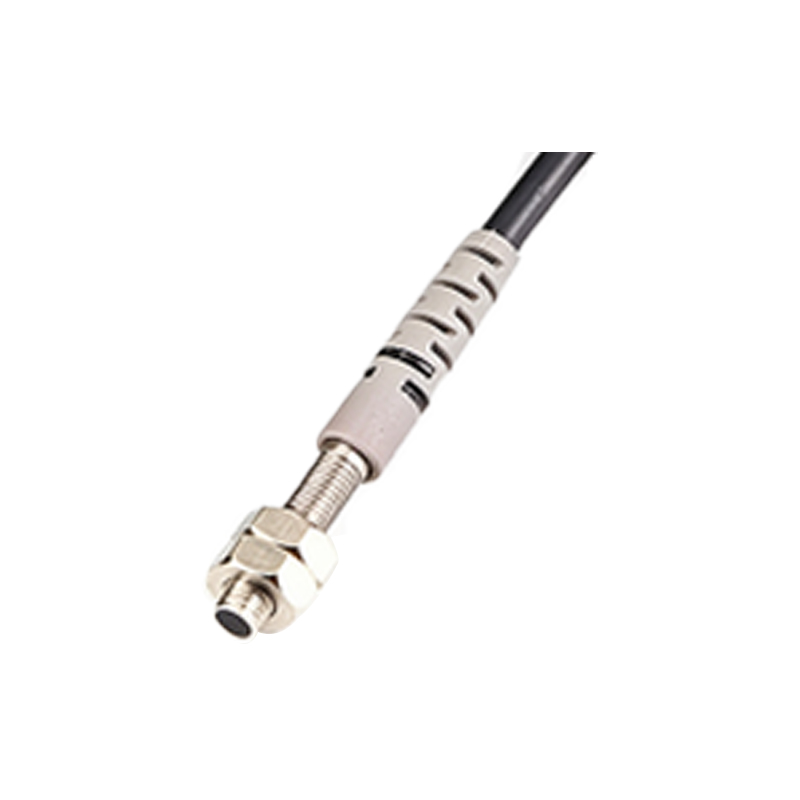
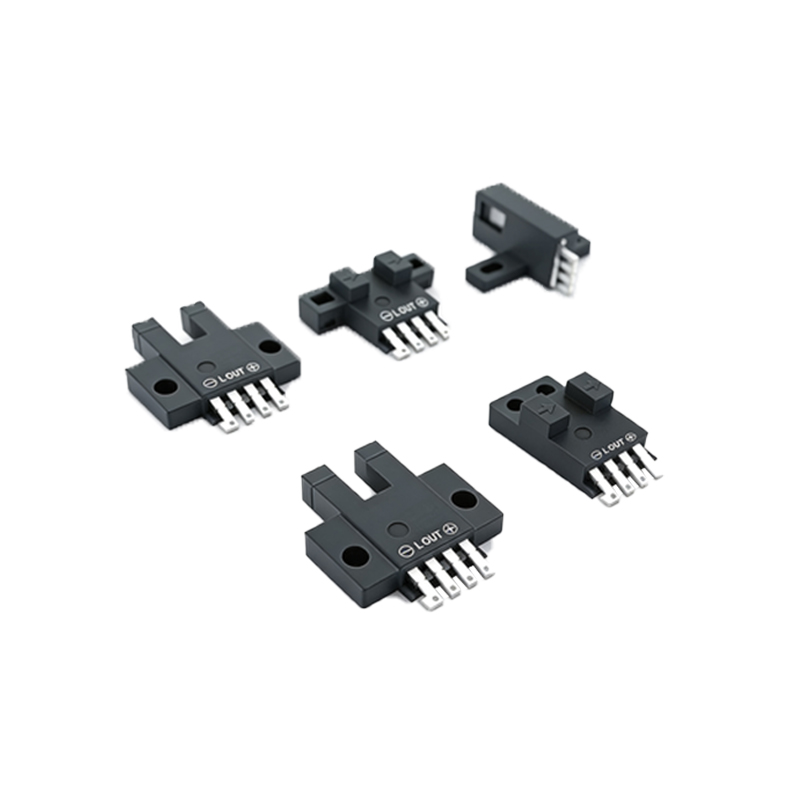
As an electrical engineer specializing in industrial automation, I often encounter concerns about environmental factors affecting sensor performance. One recurring question is whether X-ray radiation impacts photoelectric sensors. To answer this, we must first understand the basic operating principle of these sensors. A typical photoelectric sensor consists of an emitter (usually an LED) that projects a beam of light, and a receiver (a photodiode or phototransistor) that detects the reflected or interrupted light. The core components—semiconductor materials like silicon—are sensitive to high-energy radiation. X-rays, being ionizing radiation, possess enough energy to displace electrons in the semiconductor lattice, potentially causing temporary or permanent damage. This effect is analogous to the cumulative damage seen in other electronic components exposed to radiation, such as memory chips or microprocessors.
Mechanisms of X-Ray Induced Degradation
The primary damage mechanism in photoelectric sensors exposed to X-rays is the creation of electron-hole pairs within the semiconductor material. When X-ray photons strike the silicon substrate of the photodiode or the control circuitry, they generate free electrons and holes. This can lead to several issues: first, increased dark current, where the sensor registers a signal even in the absence of light. Second, parametric shifts, such as altered threshold voltages or reduced responsivity. In high-dose environments, total ionizing dose (TID) effects can cause long-term degradation, while single-event effects (SEE) may cause transient errors. For example, in a packaging line using X-ray inspection for quality control, a photoelectric sensor placed too close to the X-ray source might experience gradual sensitivity loss. I have personally observed cases where sensors within 10 cm of a 50 kV X-ray tube showed 15-20% sensitivity reduction after 100 hours of continuous exposure.
Practical Considerations for Industrial Environments
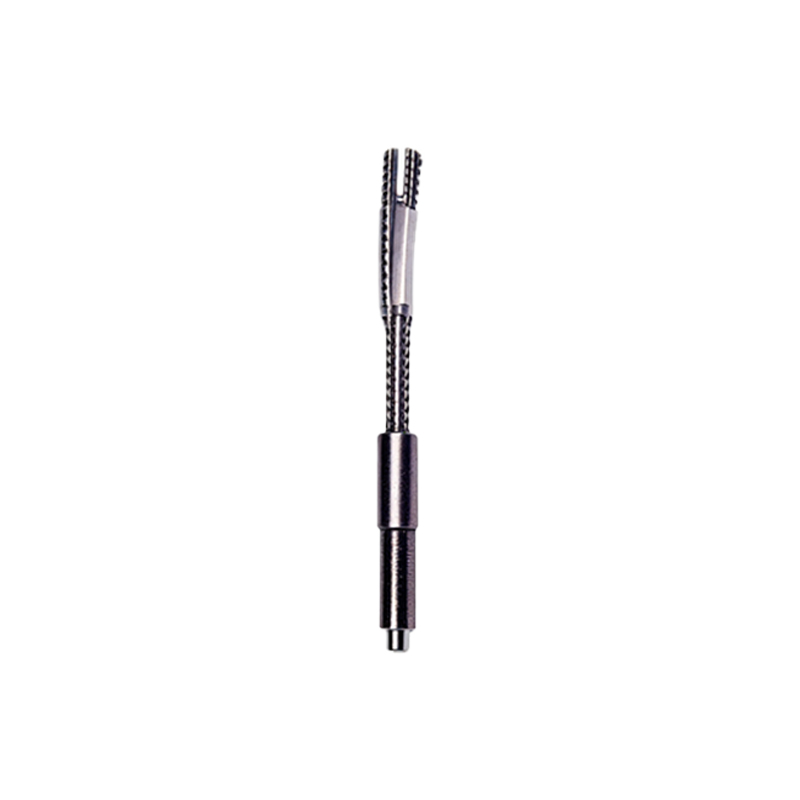
In real-world applications, the impact depends heavily on the X-ray energy, exposure duration, and the sensor's design. Standard photoelectric sensors are not typically rated for radiation environments, so for X-ray inspection systems, manufacturers often recommend shielding or strategic placement. For instance, using lead-lined enclosures or positioning the sensor at least 30 cm from the X-ray beam can mitigate damage. Additionally, fiber optic photoelectric sensors, which use optical fibers to separate the light source from the electronics, are inherently more resistant because the sensitive components can be placed away from the radiation zone. In my experience, selecting sensors with hardened semiconductor processes or employing redundant sensor arrays can further improve reliability. Always consult the sensor's datasheet for radiation tolerance specifications, as some industrial-grade models now incorporate radiation-hardened designs.
Mitigation Strategies and Best Practices
To minimize X-ray interference, follow these engineering guidelines: First, conduct a radiation risk assessment using dosimetry to measure the actual dose rate at the sensor location. Second, implement physical barriers—even 1 mm of lead can reduce X-ray intensity by over 90% for typical 50-100 kV systems. Third, consider timing isolation: synchronize sensor readings with intervals when the X-ray source is off, such as during product changeovers. Fourth, use sensor models with automatic gain control (AGC) that can compensate for gradual sensitivity loss. A case study from a medical device sterilization line showed that by adding a 2 mm lead shield around the sensor housing, the mean time between failures increased from 6 months to over 3 years. Finally, establish a preventive maintenance schedule that includes periodic sensitivity checks using calibration standards.
Conclusion: Balancing Performance and Durability
Yes, X-rays can affect photoelectric sensors, but with proper engineering controls, the risk is manageable. The key is understanding the specific radiation environment and implementing tailored solutions. For most industrial automation tasks, standard sensors with basic shielding suffice. However, for high-dose applications like food irradiation or aerospace component testing, investing in radiation-hardened sensors or alternative sensing technologies (e.g., inductive or capacitive proximity sensors) is advisable. Remember, the goal is not to eliminate radiation exposure entirely, but to maintain sensor accuracy and longevity within acceptable parameters. As technology evolves, more robust semiconductor materials and smart diagnostic features will further reduce these vulnerabilities.