Introduction to Photoelectric Sensor Abbreviations
In industrial automation, photoelectric sensors are commonly abbreviated as PE sensors. This abbreviation stands for "photoelectric," derived from the Greek words "phos" (light) and "electric" (electricity). However, depending on the specific type and application, you may encounter variations like PE, PES, or PEH. For instance, PE often denotes a general photoelectric sensor, while PES may refer to a photoelectric sensor with an integrated amplifier, and PEH indicates a high-performance variant. These abbreviations are standardized in technical documentation to streamline communication among engineers.
Common Abbreviations in Technical Standards
According to IEC 60947-5-2 and other international standards, photoelectric sensors are officially designated as PE. However, in practice, you may see suffixes like -M (for miniature), -R (for retro-reflective), or -T (for thru-beam). For example, a PE-T sensor is a thru-beam photoelectric sensor, while PE-R indicates a retro-reflective type. Additionally, some manufacturers use proprietary codes like E3Z or QS18, but these are not universal. It is crucial to refer to the datasheet or catalog number for precise identification.
Understanding the Letter Codes in Sensor Specs
When reading a sensor specification sheet, you might encounter letters such as N (NPN output), P (PNP output), or D (dark-on operation). These are not part of the PE abbreviation but are essential for system integration. For instance, a PE-N sensor means a photoelectric sensor with NPN output, commonly used in PLC systems. Similarly, PE-D indicates a dark-on mode, where the output activates when the light beam is interrupted. Combining these codes helps engineers quickly match sensors with control systems.
Practical Examples in Industry Applications
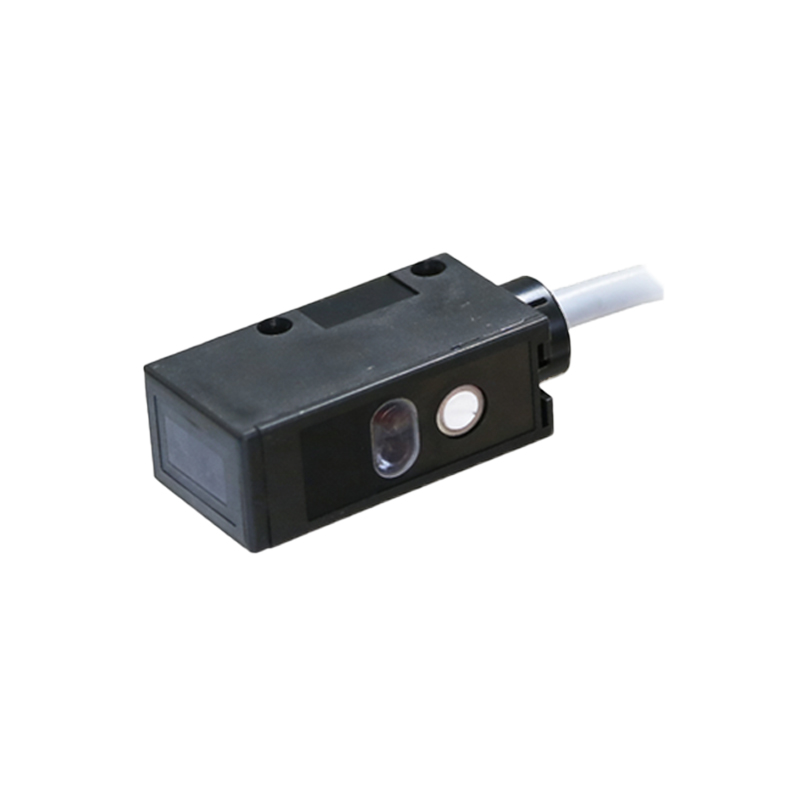
In a typical factory setup, you might see a label reading "PE-T-N" on a conveyor system. This indicates a thru-beam photoelectric sensor with NPN output. Alternatively, a "PE-R-P" label on a packaging line denotes a retro-reflective sensor with PNP output. These abbreviations are critical for maintenance and troubleshooting, as they directly affect wiring and logic. For example, replacing a PE-T-N with a PE-T-P without adjusting the PLC input could cause a system malfunction.
Best Practices for Using Sensor Abbreviations
To avoid confusion, always verify the abbreviation against the manufacturer's documentation. In your bill of materials (BOM), use full descriptions like "Photoelectric Sensor, Retro-Reflective, PNP, Dark-On" alongside the abbreviation. Additionally, when creating wiring diagrams, include the abbreviation in a legend. This practice ensures consistency across projects and reduces the risk of misinterpretation, especially in multinational teams where English is the common language.