Understanding Photoelectric Sensors and Their Applications
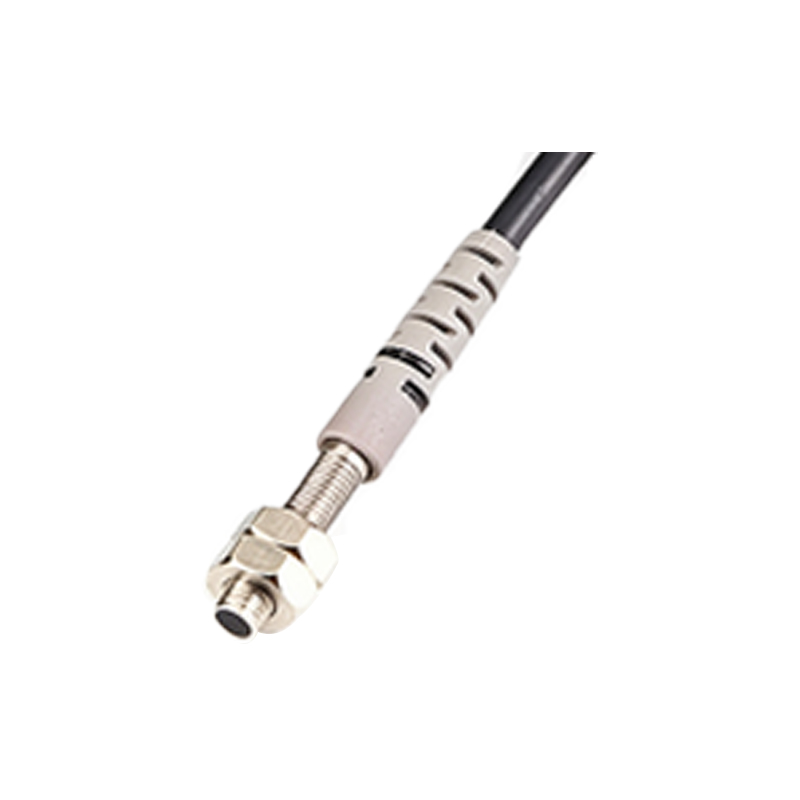
As an electrical engineer, you know that photoelectric sensors are critical components in automation and control systems. These devices use light to detect objects, distances, or changes in material properties, making them essential in industries like manufacturing, packaging, and logistics. When searching for a nearby store that sells these sensors, it is important to consider technical specifications such as sensing range, light source type (e.g., LED, laser), output configuration (NPN, PNP), and environmental ratings (IP67, IP69K). Stores that specialize in industrial supplies often carry models from leading brands like Keyence, SICK, Banner, and Omron.
Locating Specialized Industrial Supply Stores
To find a reliable store near you, start by identifying local distributors or wholesalers that focus on industrial automation components. Use online search tools with keywords like "industrial sensor supplier near me" or "automation parts store" to filter results. Many cities have dedicated industrial parks or zones where such stores cluster. For example, in regions with strong manufacturing sectors, you might find stores like Grainger, McMaster-Carr, or smaller specialized shops. These locations often have a showroom where you can physically inspect sensors, check compatibility with your equipment, and get instant technical support. Always verify the store's inventory through their website or phone call before visiting.
Evaluating Stock and Technical Support
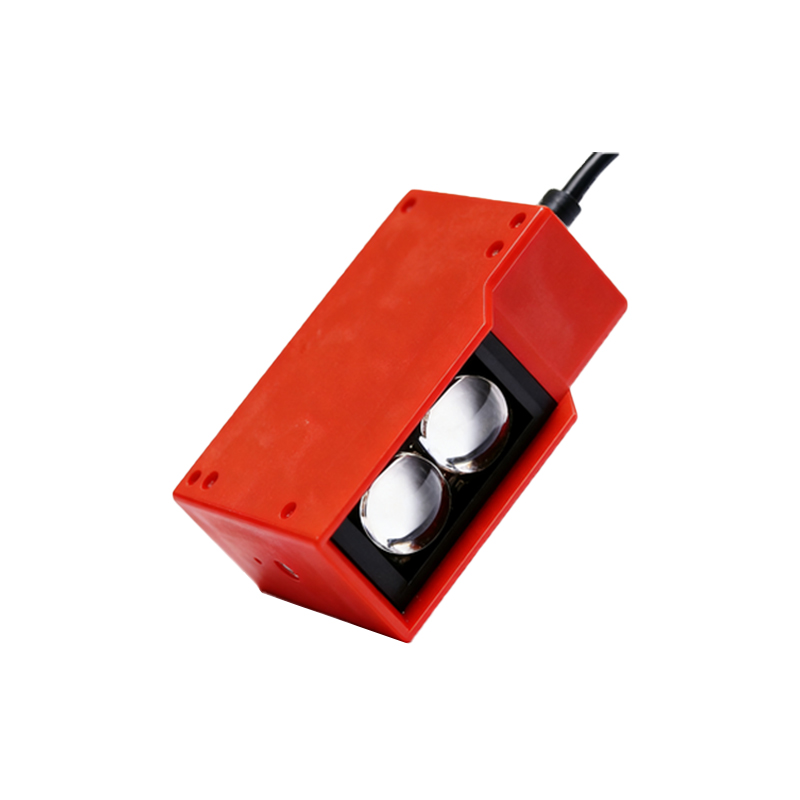
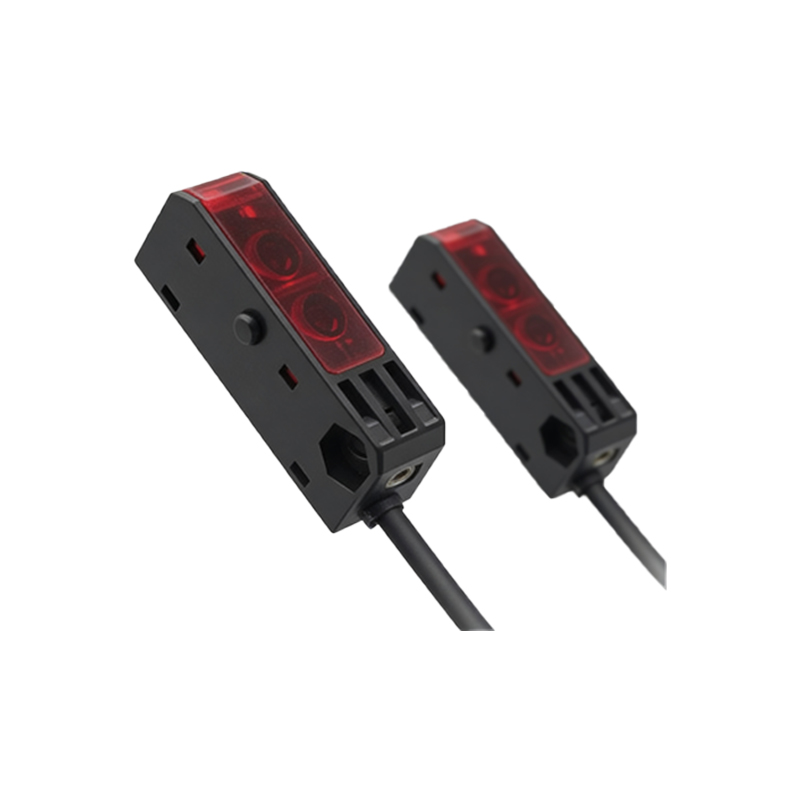
When visiting a store, assess their stock range for photoelectric sensors. A good store should offer a variety of sensing modes: through-beam, retro-reflective, and diffuse reflective sensors. They should also carry accessory items like mounts, reflectors, and cables. A critical factor is the availability of on-site engineers or technical sales staff who can help you select the right sensor based on your application requirements, such as object material, color, or operating environment. Ask about return policies and warranty terms, as industrial sensors may need replacement due to damage or misapplication.
Considering Online vs. Physical Stores
While physical stores provide immediate access and face-to-face advice, online platforms like Digi-Key, Mouser, or Amazon Industrial sometimes offer broader selections and competitive pricing. However, for urgent repairs or small-batch projects, a nearby store can save time on shipping. To make the best decision, compare the store's pricing with online options, considering factors like sales tax, shipping costs, and delivery time. Many local stores also offer same-day pickup or emergency delivery services for critical applications.
Final Tips for Engineers
Always bring a sample of the object you need to detect or its technical drawings when visiting a store. This helps the staff recommend the optimal sensor. Additionally, check the store's reputation through online reviews or industry forums. A reliable store will not only sell sensors but also provide calibration services, repair, or custom modifications. Remember, the right sensor can significantly reduce downtime and improve system efficiency, so invest time in finding the best supplier.