Defining Equipment in the Electrical Sector
In the electrical engineering and automation industry, the term "equipment" generally refers to any device or apparatus used for a specific function within a system. Photoelectric sensors, which detect objects or changes in light intensity to trigger electrical signals, clearly fall under this category. They are not merely passive components but active devices that convert physical phenomena into electrical outputs, making them integral to industrial control systems. From a technical standpoint, they meet the criteria of equipment: they are standalone units with defined operational parameters, requiring power supply and signal processing.
Functional Characteristics of Photoelectric Sensors
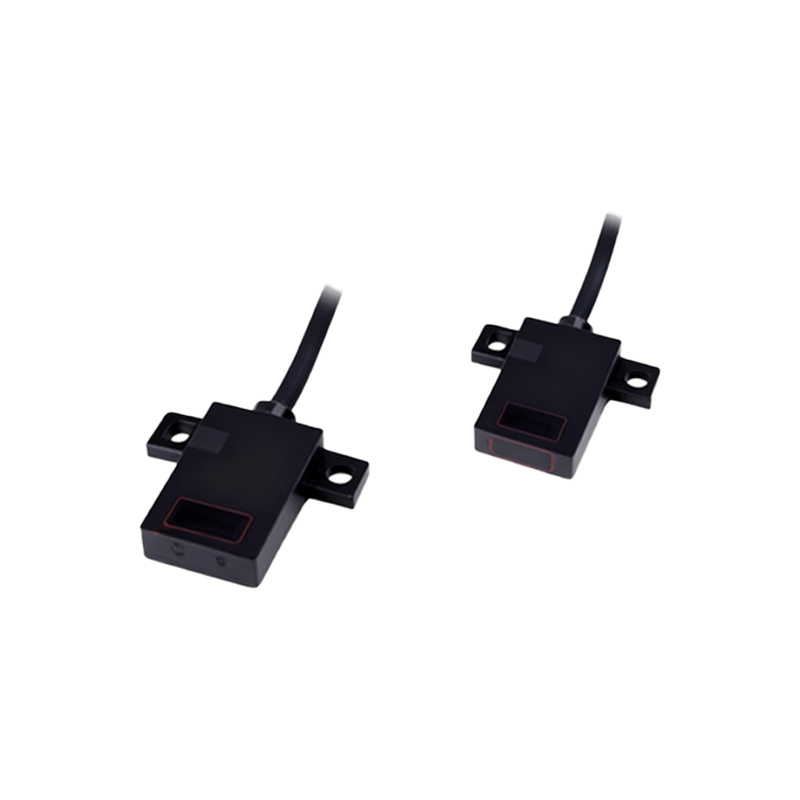
Photoelectric sensors consist of an emitter, receiver, and signal processing module, often housed in a compact enclosure. They operate by emitting light beams (infrared, visible, or laser) and analyzing the reflection or interruption caused by a target. This function is essential for tasks like object detection, counting, and positioning in manufacturing lines. Unlike simple components like resistors or capacitors, these sensors are sophisticated devices with built-in circuitry, aligning them with the definition of equipment rather than parts.
Classification in Industry Standards
According to IEC 60947-5-2, photoelectric sensors are classified as "control circuit devices" and "switching elements," which are subcategories of electrical equipment. They are listed alongside proximity switches and limit switches in equipment catalogs. Furthermore, in system design documents, they are grouped under "field devices" or "sensors," both considered equipment. This classification is consistent with how engineers label them in bill of materials (BOM) and maintenance guides.
Practical Application Examples
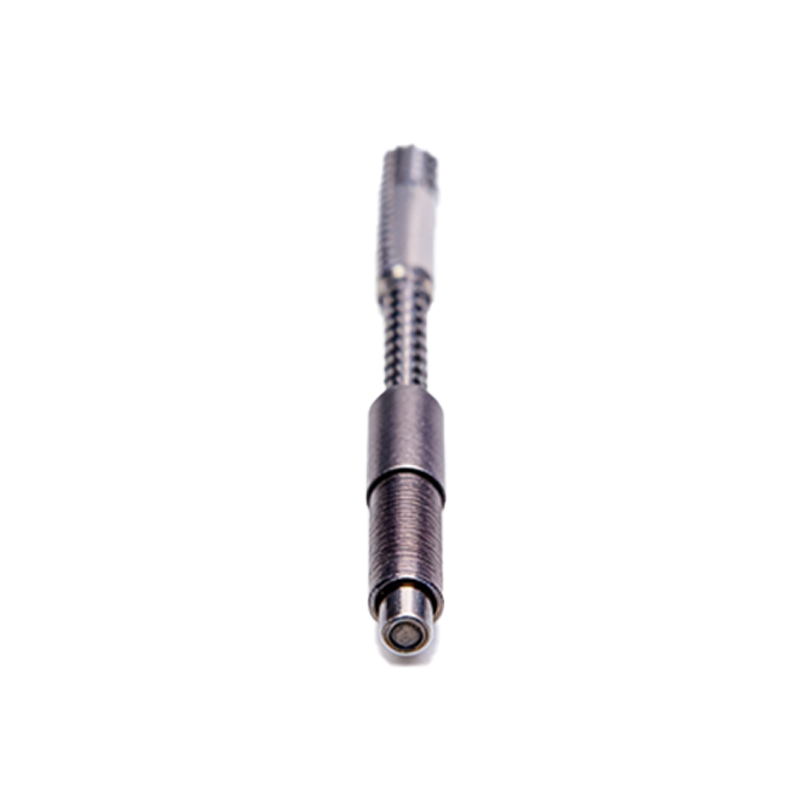
In a typical automated assembly line, photoelectric sensors are mounted on conveyor belts to detect product presence and trigger actuators. Here, they function as active equipment, requiring installation, calibration, and periodic maintenance. They are also used in safety light curtains, which are treated as safety-related equipment under standards like ISO 13849. These examples underscore their role as equipment rather than mere accessories.
Comparison with Passive Components
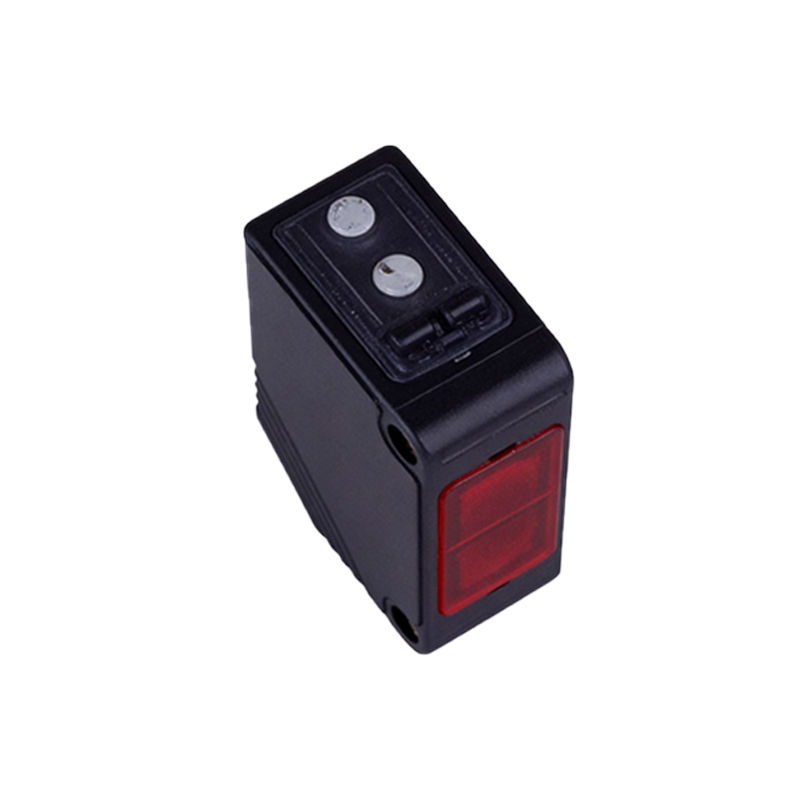
To clarify, passive components like wires, connectors, or enclosures are not considered equipment because they do not perform active functions. Photoelectric sensors, however, involve active energy conversion (light to electricity) and decision-making logic (e.g., output on/off). This active nature distinguishes them from hardware and firmly places them in the equipment category. Engineers often specify them as "sensor equipment" in procurement documents.
Conclusion: A Clear Classification
Based on industry definitions, functional roles, and standards, photoelectric sensors are unequivocally considered equipment. They are essential devices that enhance automation efficiency, and treating them as such ensures proper installation, integration, and lifecycle management. For professionals in the electrical field, this understanding is critical for system design and troubleshooting.