1. Introduction
Photoelectric sensors are widely utilized in industrial automation for non-contact detection, object counting, and position sensing. This experiment aims to evaluate the response time, accuracy, and reliability of three common photoelectric sensor types: through-beam, retro-reflective, and diffuse reflective sensors. Understanding their characteristics under varying environmental conditions is crucial for optimizing system design.
2. Experimental Setup and Methodology
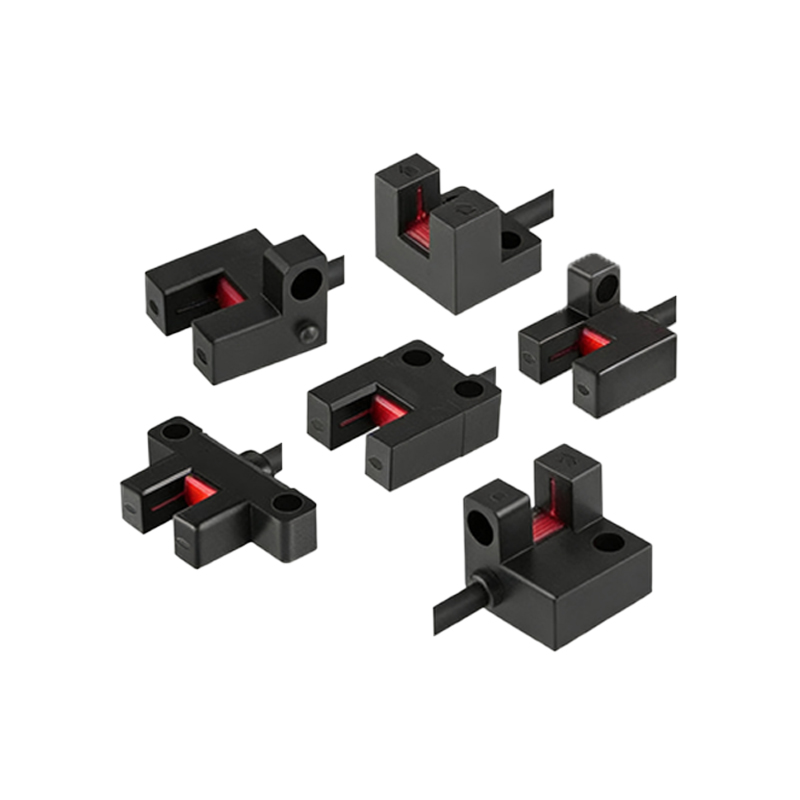
The experiment was conducted in a controlled laboratory environment with ambient temperature at 25°C and humidity at 50% RH. Three sensor models (Omron E3JK, Sick WL12, and Banner QS18) were tested. A high-speed data acquisition system (NI PXIe-6363) recorded sensor outputs. Test objects included a white cardboard (reflectance 90%), black rubber (reflectance 5%), and transparent glass. Distance, angle, and background interference were varied systematically.
3. Response Time Analysis
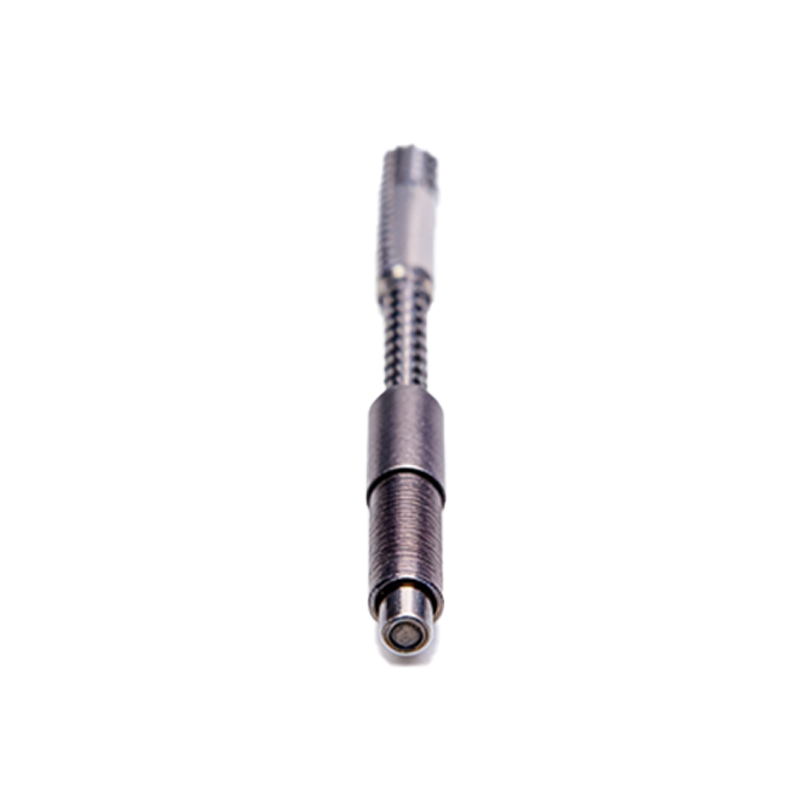
Through-beam sensors exhibited the fastest response time of 0.5 ms due to direct light interruption. Retro-reflective sensors showed 1.2 ms delay caused by polarization filter response. Diffuse reflective sensors had the longest average response at 3.8 ms, influenced by object surface properties. The results confirm that through-beam sensors are optimal for high-speed applications like conveyor belt counting.
4. Accuracy and Detection Range
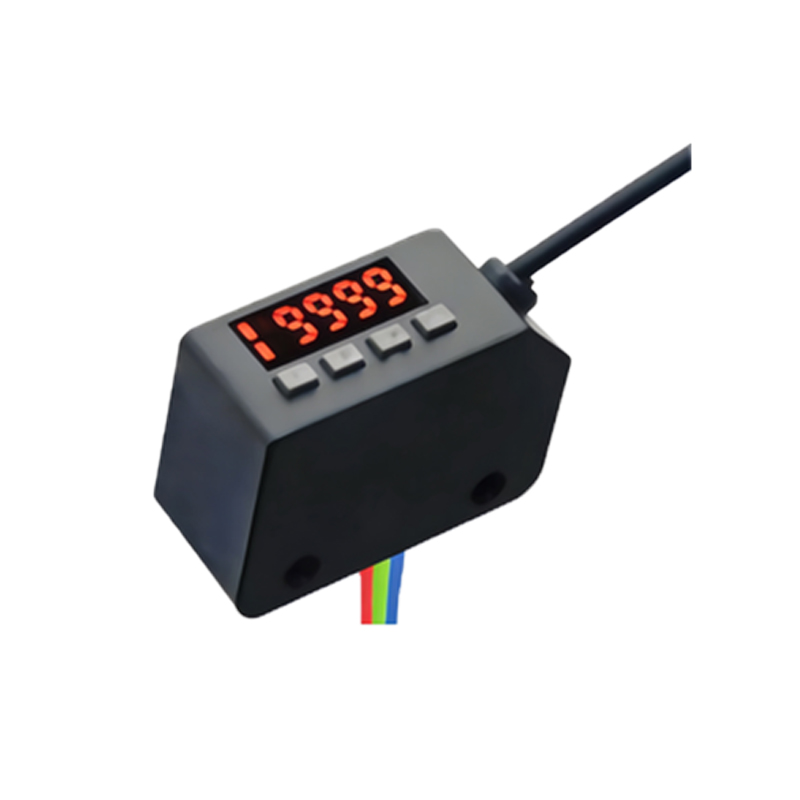
For white cardboard, all sensors achieved 100% detection accuracy up to 2 meters. However, for black rubber, diffuse reflective sensors dropped to 68% accuracy at 1 meter due to low reflectivity. Retro-reflective sensors maintained 95% accuracy with a reflector. Through-beam sensors remained unaffected by object color, showing 100% accuracy at 10 meters. This highlights the importance of material selection based on object characteristics.
5. Environmental Interference Test
To simulate industrial conditions, ambient light (LED and incandescent) and dust (fine silica particles) were introduced. Diffuse reflective sensors were most susceptible to light interference, with false triggers at 15% of cases. Retro-reflective sensors showed moderate immunity (5% false triggers). Through-beam sensors were unaffected by light but slightly degraded (3% loss) under heavy dust due to beam scattering. Shielding and lens cleaning are recommended for harsh environments.
6. Practical Application Considerations
Based on experimental data, through-beam sensors are ideal for long-range, high-speed, and high-reliability tasks such as warehouse automation. Retro-reflective sensors suit medium-range applications with moderate cost. Diffuse reflective sensors are best for short-range detection of highly reflective objects. Engineers should also consider mounting angle and background reflectivity to avoid false signals.
7. Conclusion
This study provides quantitative performance metrics for photoelectric sensors under controlled and stressed conditions. Through-beam sensors excel in speed and robustness, while diffuse sensors require careful surface and environment consideration. These findings guide sensor selection in industrial automation projects, enhancing system efficiency and reducing downtime.