2026-05-29
Tech Hub
By 创始人
How Infrared Photoelectric Sensors Revolutionize Industrial Automation
Introduction to Infrared Photoelectric Sensors
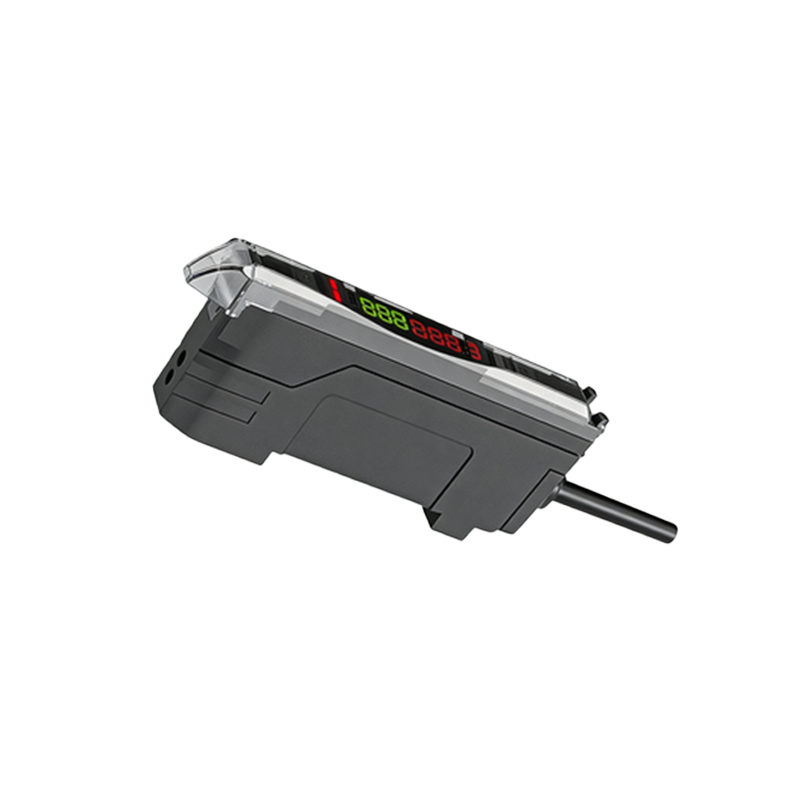
Infrared photoelectric sensors are essential components in modern industrial automation systems. These devices use infrared light to detect the presence, absence, or distance of objects without physical contact. Operating on the principle of emitting a beam of infrared radiation and measuring the reflected or interrupted signal, they offer high reliability and precision in harsh environments. As an electrical engineer, I have seen these sensors reduce downtime and improve throughput in manufacturing, packaging, and material handling applications. Their non-contact nature minimizes wear, while their ability to function in dust, moisture, and varying light conditions makes them ideal for factory floors.
Working Principle and Key Components
The core of an infrared photoelectric sensor consists of an infrared LED emitter and a photodiode or phototransistor receiver. The emitter sends out modulated infrared pulses to avoid interference from ambient light. When an object enters the detection zone, it either reflects the beam back to the receiver (reflective mode) or blocks the beam (through-beam mode). Modulation frequency and pulse width are critical for stability. Modern sensors also integrate microcontrollers for signal processing, allowing adjustment of sensitivity, response time, and output logic. Understanding these parameters is vital for proper integration into PLC or SCADA systems.
Common Detection Modes and Applications
Three main modes dominate industrial use: through-beam, retro-reflective, and diffuse reflective. Through-beam mode offers the longest range and highest reliability, ideal for conveyor belt monitoring in logistics. Retro-reflective mode uses a reflector for medium-range detection, common in packaging machines. Diffuse reflective mode detects objects by the reflected beam itself, suitable for short-range presence sensing in assembly lines. Each mode has trade-offs in range, cost, and environmental tolerance. For instance, through-beam sensors excel in dusty environments but require precise alignment, while diffuse sensors are easier to install but have limited range (typically under 2 meters).
Installation Best Practices
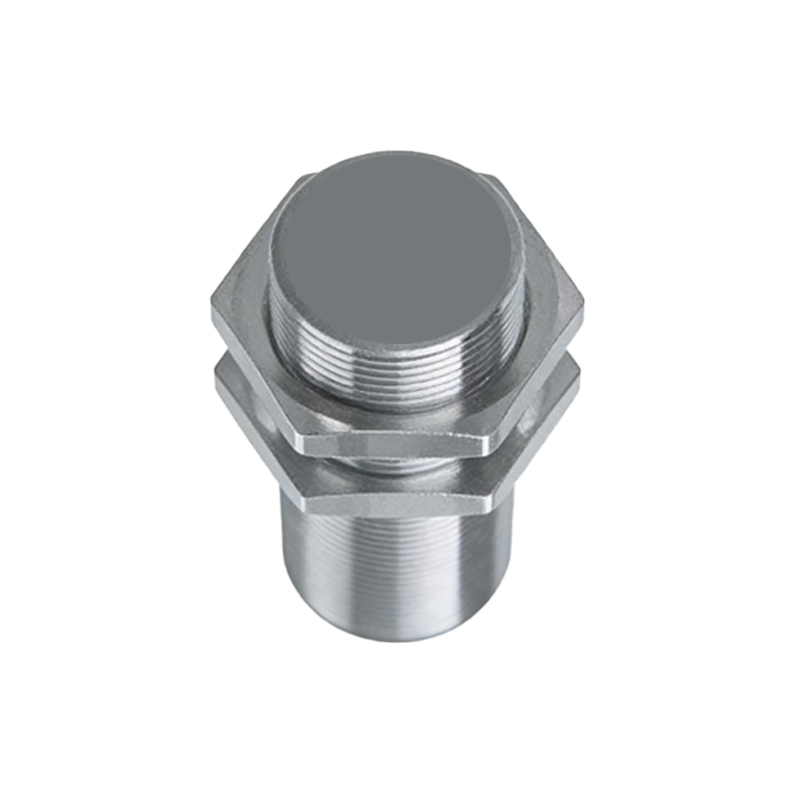
Proper installation ensures optimal performance. Mount the sensor on a stable bracket to avoid vibration-induced false signals. For through-beam systems, align emitter and receiver within 1 degree of accuracy. Use shielded cables and avoid running sensor lines near high-voltage power cables to prevent electromagnetic interference. Consider ambient light sources: direct sunlight can saturate the receiver, so use hoods or filters. In wet environments, ensure the sensor has an IP67 or higher rating. Regularly clean the lens with a soft cloth to remove dust or oil buildup. Calibrate the sensitivity threshold during initial setup, and test with actual production materials.
Troubleshooting Common Issues
Even with robust design, issues arise. If the sensor fails to detect, first check power supply voltage and wiring continuity. Next, verify that the object’s surface reflectivity matches the sensor’s specifications—glossy or transparent materials may require a polarizing filter. False triggers often stem from reflective backgrounds or stray infrared sources like welding arcs. Reduce background interference by adjusting the sensitivity dial or using a smaller detection window. For intermittent failures, inspect for loose connections or damaged cables. Always consult the manufacturer’s datasheet for response time and hysteresis values to match application requirements.
Future Trends in Sensor Technology
The evolution of infrared photoelectric sensors includes integration with IoT and Industry 4.0 protocols. Smart sensors now offer built-in diagnostics, outputting data on detection status, temperature, and self-diagnostic codes via IO-Link. Miniaturization allows placement in tight spaces, while enhanced modulation techniques improve resistance to noise. Emerging technologies like time-of-flight (ToF) sensors provide distance measurement beyond simple presence detection. As an engineer, I recommend evaluating these advanced options for predictive maintenance and data-driven process optimization. The shift toward wireless and battery-operated sensors also opens new possibilities for retrofit applications.
Conclusion
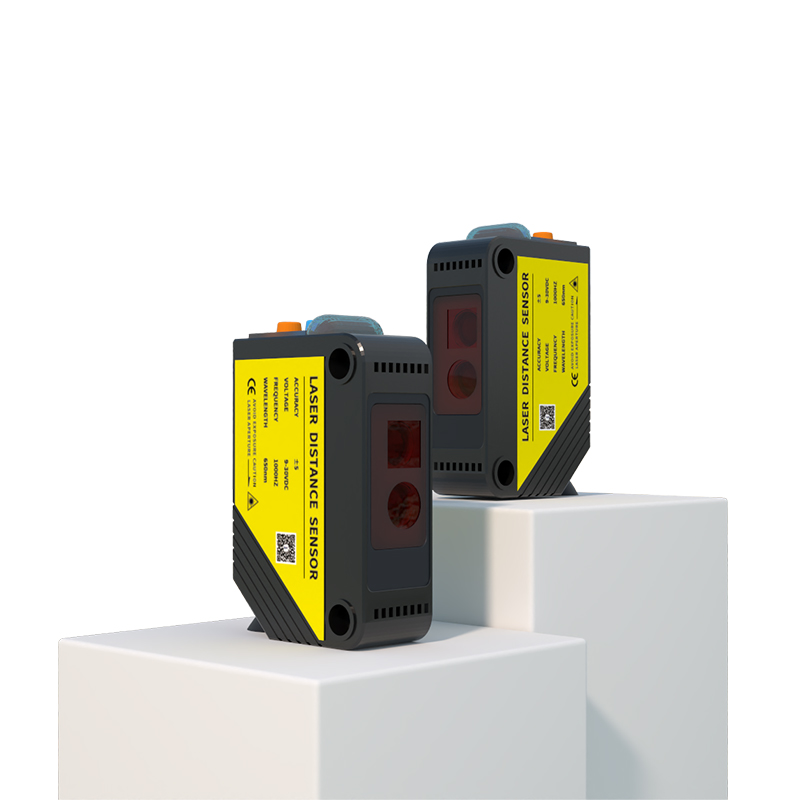
Infrared photoelectric sensors remain a cornerstone of industrial automation, offering simple yet powerful solutions for object detection. By understanding their working principles, selecting the right detection mode, and following installation best practices, engineers can maximize system reliability. As technology advances, these sensors will continue to adapt, providing smarter, more connected capabilities for the factories of tomorrow.