Introduction to Photoelectric Sensor FM
The Photoelectric Sensor FM series, developed by industry leaders like Omron and Keyence, represents a critical component in modern industrial automation. These sensors utilize light to detect the presence, absence, or distance of objects without physical contact, ensuring high reliability in harsh environments. The FM series is specifically designed for long-range detection, offering enhanced performance in dusty, wet, or vibrating conditions common in manufacturing plants. For electrical engineers, understanding the operational principles—such as through-beam, retro-reflective, and diffuse modes—is essential for optimizing system integration.
Key Features of the FM Series
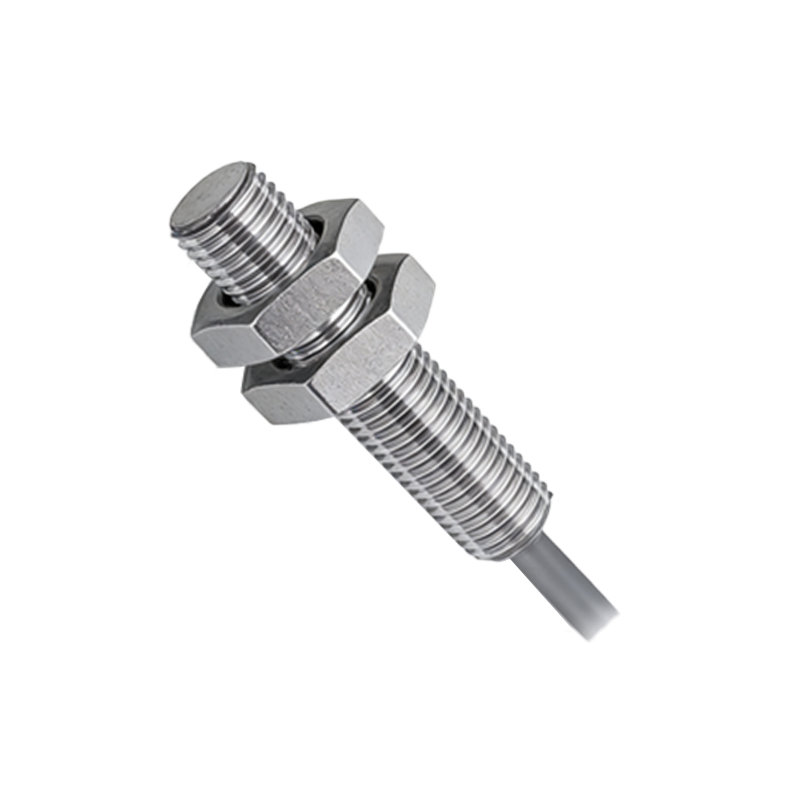
The FM series photoelectric sensors are distinguished by their robust construction and advanced optical technology. They feature high-speed response times, often below 1 millisecond, making them suitable for high-speed production lines. The sensors also incorporate adjustable sensitivity and background suppression to minimize false triggers. Additionally, the FM series offers IP67 or higher ingress protection ratings, ensuring resistance to water and dust. For electrical engineers, these sensors support multiple output types, including NPN, PNP, and analog voltage, facilitating seamless connection to PLCs and other control systems.
Application Scenarios in Industry
In the automotive industry, FM sensors are used for precise part positioning on assembly lines. For example, they detect metal components on conveyor belts, even when covered in oil or coolant. In packaging, these sensors monitor label placement or seal integrity at high speeds. The food and beverage sector benefits from their stainless steel housings, which withstand washdown procedures. Engineers must consider the sensing range (typically 0.5 to 50 meters for through-beam models) and ambient light interference when selecting the correct FM variant for each application.
Wiring and Installation Guidelines
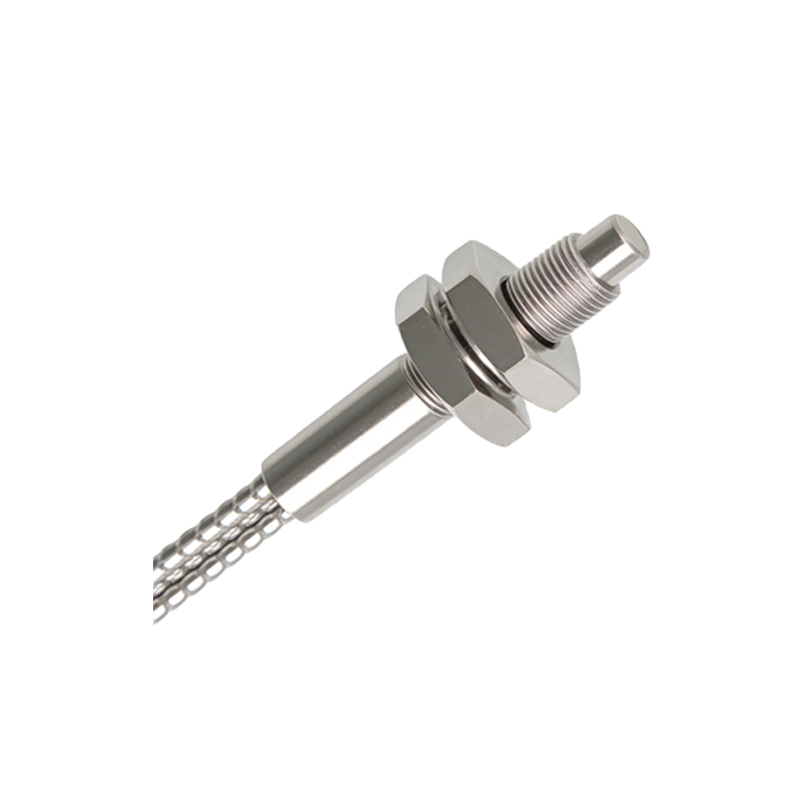
Proper wiring is crucial for sensor performance. The FM series typically uses 4-wire connections: brown for power supply (10-30 VDC), blue for ground, black for output, and white for test input or alarm. Installers should use shielded cables to reduce electromagnetic interference, especially near motors or variable frequency drives. The sensor’s mounting bracket should be secured to a vibration-free surface, with the emitter and receiver aligned correctly for through-beam models. For retro-reflective sensors, ensure the reflector is clean and perpendicular to the beam to maintain accuracy.
Troubleshooting Common Issues
Common problems include inconsistent detection, false signals, or no output. First, check power supply voltage and wire connections for looseness. Next, clean the sensor lens and reflector with a lint-free cloth and isopropyl alcohol. If the sensor is mounted in a high-temperature area, verify that the ambient temperature does not exceed the rated 55°C. For diffuse sensors, adjust the sensitivity potentiometer to account for object reflectivity. If the issue persists, use a test mode to check the internal LED indicator, which flashes during detection. Replacement of the sensor should be considered if calibration fails.
Future Trends in Photoelectric Sensing
The FM series is evolving with Industry 4.0 integration, offering IO-Link communication for real-time diagnostics and parameter adjustments. Future models may incorporate LiDAR-like capabilities for 3D mapping in logistics or enhanced filtering algorithms to ignore rain or fog. Electrical engineers should stay updated on firmware updates and consider modular sensors that allow quick swapping of optical heads. These advancements aim to reduce downtime and improve data-driven maintenance in smart factories.