Understanding the Unique Demands of Metallurgical Environments
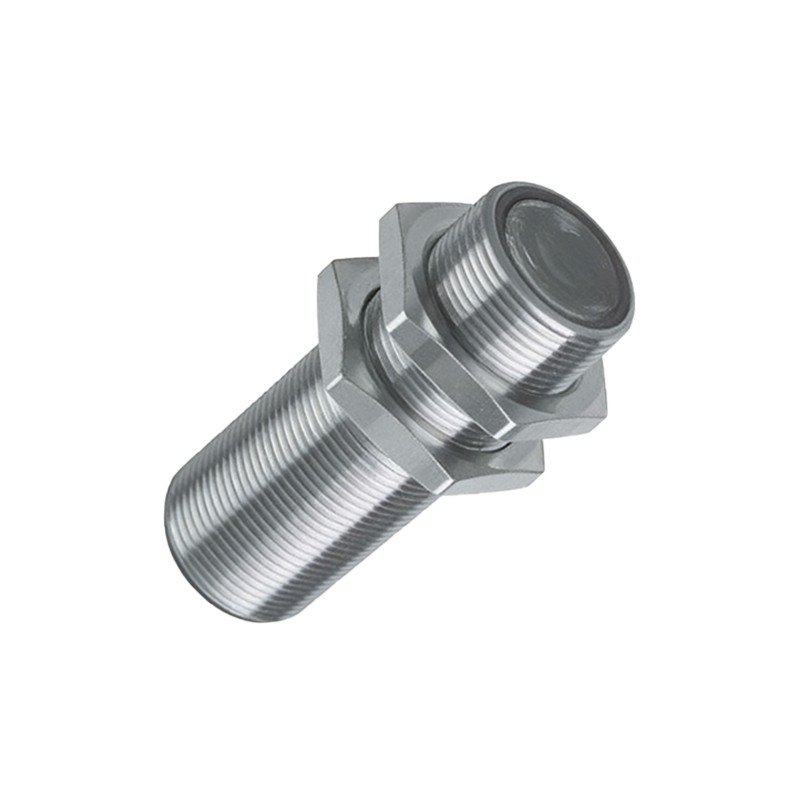
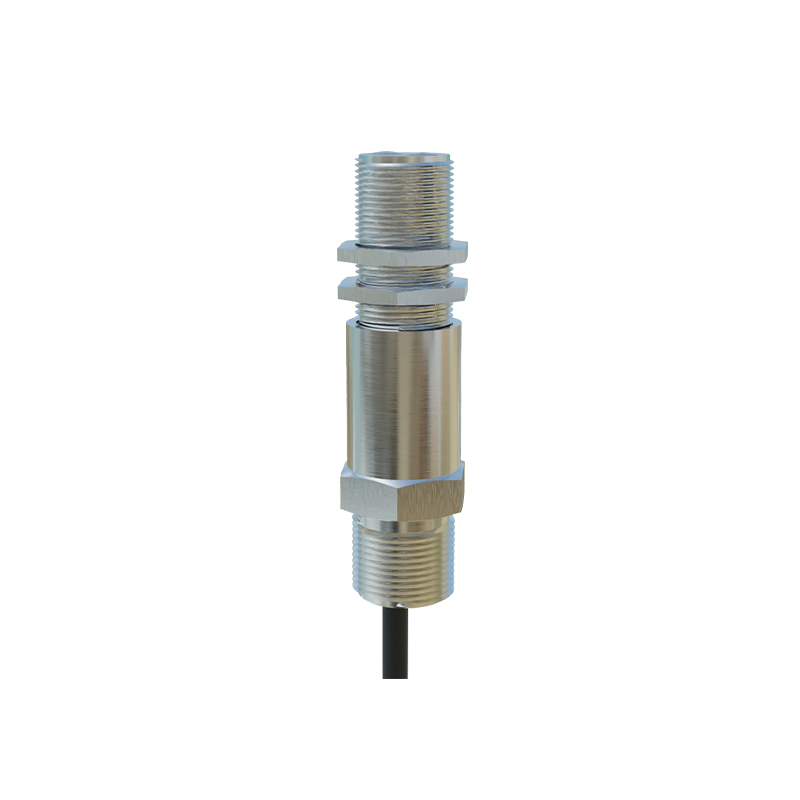
Metallurgical processes involve extreme heat, dust, vibration, and electromagnetic interference. Photoelectric sensors used in such settings must withstand harsh conditions, including high ambient temperatures up to 250°C, corrosive gases, and heavy mechanical shock. Standard industrial sensors often fail in these environments, leading to costly downtime. Therefore, selecting a specialized manufacturer that designs sensors with robust housing (e.g., stainless steel or ceramic), high IP ratings (IP67 or higher), and advanced optical filtering is crucial. Reliable contact with such manufacturers ensures you get products tailored for steel mills, foundries, and smelters.
Key Features to Look for in Sensor Specifications
When contacting a metallurgical photoelectric sensor supplier, prioritize features that align with your application. Look for sensors with long sensing ranges (up to 50 meters), resistance to ambient light (e.g., 100,000 lux), and fast response times (below 1 ms). For high-temperature zones, consider fiber-optic or through-beam sensors that separate electronics from the sensing head. Additionally, verify the sensor's ability to operate with minimal maintenance, such as self-cleaning optics or anti-fogging coatings. A manufacturer's technical support team should be able to provide detailed datasheets and custom solutions upon request.
How to Obtain Reliable Manufacturer Contact Information
Finding the right contact for metallurgical photoelectric sensors requires a targeted approach. Start by searching for suppliers with a proven track record in heavy industry, such as companies specializing in "industrial photoelectric sensors for steel production" or "high-temperature sensor solutions." Official websites often list regional sales offices or dedicated hotlines for technical queries. For urgent needs, look for 24/7 support lines. Alternatively, industry trade shows (e.g., Hannover Messe) and B2B platforms like Alibaba or ThomasNet can provide verified contacts. Always cross-check the manufacturer's ISO certifications and client testimonials to ensure credibility.
Evaluating After-Sales Support and Warranty
A manufacturer's phone number is just the start; the quality of after-sales support matters equally. In metallurgical applications, sensor failure can halt entire production lines. Therefore, inquire about warranty periods (typically 2-5 years), replacement policies, and technical assistance for integration. Top manufacturers offer remote diagnostics, on-site calibration services, and rapid shipping of spare parts. When contacting them, ask for case studies of similar installations in your industry. This demonstrates their expertise and commitment to solving real-world challenges, not just selling products.
Common Pitfalls to Avoid During Contact
Avoid manufacturers that cannot provide clear technical documentation for their sensors' performance in high-temperature or dusty conditions. Beware of generic numbers that route to automated systems without direct engineer access. If a supplier hesitates to share customer references or sample units, consider it a red flag. Additionally, confirm that the contact number is for a dedicated industrial sales team, not a general consumer line. Finally, always request a written quote and delivery timeline before committing to a purchase.
Conclusion: Streamlining Your Search for Reliable Contacts
Securing the correct manufacturer phone number for metallurgical photoelectric sensors involves thorough research and verification. Focus on suppliers with specialized industrial expertise, robust product features, and strong support networks. By prioritizing these criteria, you can minimize downtime and ensure long-term operational efficiency. For a direct start, reputable options include companies like SICK, Banner Engineering, or Pepperl+Fuchs, which have dedicated metallurgical sensor divisions and regional contact details readily available online.