Common Causes of Photoelectric Sensor Failure
Photoelectric sensors are vital components in automated industrial systems, yet they are prone to premature failure due to environmental factors. Contaminants like dust, oil, and moisture often accumulate on the lens or emitter, blocking the light beam and causing false readings or complete malfunction. Mechanical stress from vibration or improper mounting can also misalign the sensor, leading to intermittent operation. Electrical issues such as voltage spikes or incorrect wiring further degrade performance, especially in high-power machinery settings. Understanding these root causes is the first step toward effective prevention.
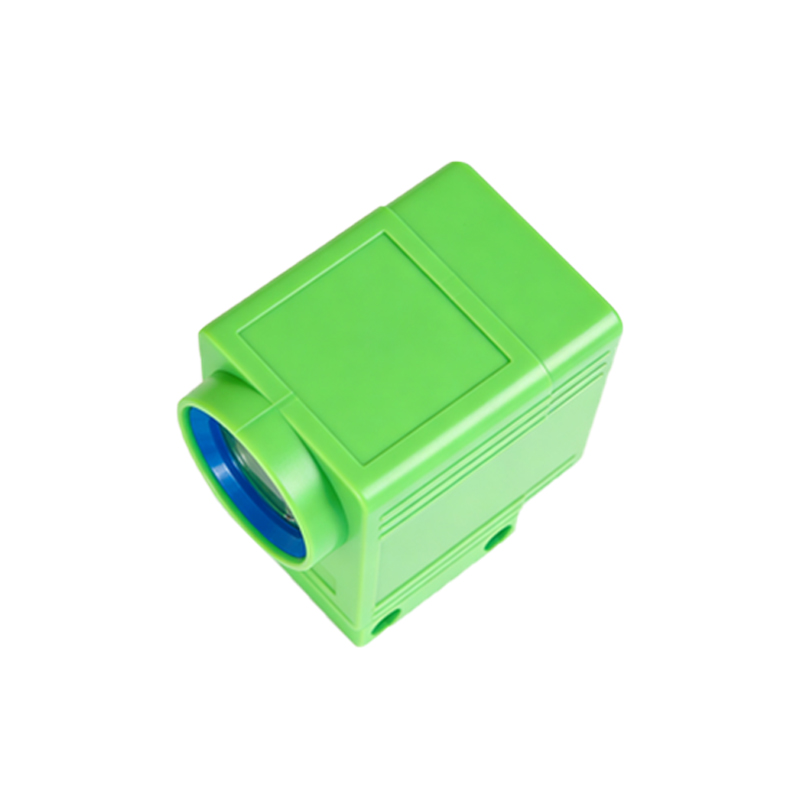
Selecting the Right Sensor for the Application
Choosing a sensor with the appropriate IP (Ingress Protection) rating is critical for durability. For wet or dusty environments, opt for sensors rated IP67 or higher, which offer resistance to water and particle ingress. Additionally, consider sensor type: through-beam sensors are less affected by contamination than retro-reflective or diffuse models because they have separate emitter and receiver units. For high-temperature zones, use sensors with reinforced housings and heat-resistant optics. Always verify the sensor’s operating voltage and output type (e.g., NPN vs. PNP) to match your control system, reducing electrical stress.
Implementing Proper Installation and Alignment
Correct installation significantly reduces mechanical wear. Mount sensors on stable brackets using vibration-dampening materials to minimize movement. Align the emitter and receiver accurately, and secure cables with strain reliefs to prevent pull-out or abrasion. Avoid routing sensor cables near high-voltage lines to reduce electromagnetic interference. For retro-reflective sensors, ensure the reflector is clean and positioned at the recommended angle. Regular laser alignment checks can prevent misalignment that leads to false triggers and sensor fatigue.
Establishing a Routine Maintenance Schedule
Proactive maintenance is key to longevity. Clean sensor lenses and reflectors weekly using a lint-free cloth and isopropyl alcohol, especially in dusty or oily environments. Inspect cables for wear, corrosion, or loose connections monthly. Use a multimeter to test voltage levels at the sensor terminals, ensuring they stay within the manufacturer’s specifications. Replace any sensor showing erratic behavior immediately to avoid system downtime. Document all maintenance actions to track failure patterns and improve future sensor selection.
Utilizing Protective Accessories and Enclosures
Shield sensors with protective housings or lens guards to deflect debris and impact. For outdoor or wash-down areas, use sealed enclosures with gland fittings to prevent moisture ingress. Install surge suppressors or transient voltage protectors on sensor power lines to guard against spikes from nearby motors or welding equipment. In corrosive environments, apply conformal coating to exposed circuit boards (if design allows) or choose sensors with stainless steel bodies. These accessories add a layer of defense that extends sensor life significantly.
Monitoring and Replacing Sensors Strategically
Implement a predictive monitoring system by tracking sensor response times and failure rates through PLC data. Set thresholds for performance degradation to schedule replacements before a full breakdown occurs. Stock critical spare sensors based on historical failure data to minimize downtime. When a sensor fails, conduct a root-cause analysis to determine if the issue was environmental, electrical, or mechanical, then adjust procedures accordingly. This data-driven approach transforms reactive repairs into proactive lifespan management.