Introduction to Retroreflective Photoelectric Sensors
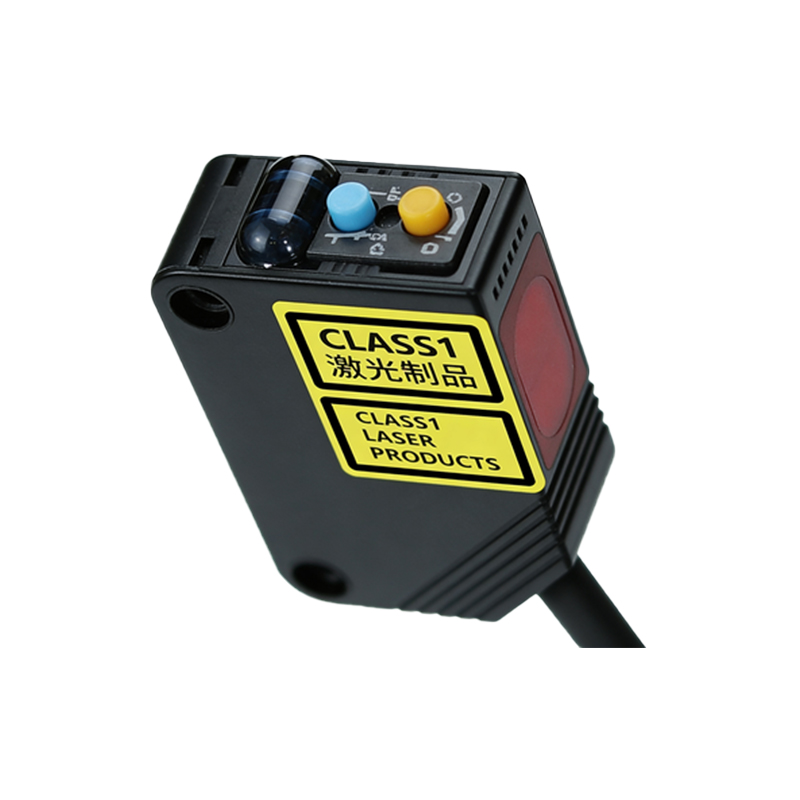
Retroreflective photoelectric sensors are a critical component in industrial automation, offering reliable object detection across various environments. Unlike through-beam sensors that require separate transmitter and receiver units, retroreflective sensors integrate both in a single housing, using a reflector placed opposite to the sensor. The sensor emits a beam of light, which is reflected back by the reflector to the receiver; any object interrupting the beam is detected. This design simplifies installation and reduces wiring complexity, making it a popular choice for applications ranging from conveyor systems to packaging machinery. The sensor's operation relies on a stable light path, and its performance can be affected by factors such as ambient light, dust, or reflective surfaces.
Key Operating Principles
The core principle of a retroreflective sensor involves a modulated light source, typically an LED or laser diode, which emits a pulsed beam toward a specially designed reflector. The reflector, often made of corner-cube prisms or reflective tape, returns the light directly to the sensor's receiver. When the beam is uninterrupted, the receiver detects constant light, and the output remains in a "normal" state. When an opaque or translucent object passes through the beam, the light is blocked or scattered, causing the receiver to see a drop in light intensity, triggering a change in output state. Modern sensors use advanced circuitry to filter out ambient interference, ensuring high reliability even in challenging conditions. The detection distance can range from a few centimeters to over 10 meters, depending on the sensor model and reflector quality.
Common Applications in Industrial Settings
These sensors are widely used in industries such as automotive manufacturing, food processing, and logistics. In conveyor belt systems, they detect product presence for sorting or counting. In packaging lines, they verify the correct placement of labels or caps. Retroreflective sensors are also employed in elevator door safety systems and automated storage and retrieval systems. Their ability to handle transparent objects, such as glass bottles or plastic films, makes them versatile in sectors requiring non-contact sensing. However, care must be taken with highly reflective or mirror-like objects, which can cause false readings; in such cases, polarized retroreflective sensors are recommended.
Selection Criteria for Optimal Performance
When choosing a retroreflective sensor, consider the following factors: detection distance, environmental conditions, object characteristics, and mounting constraints. For dusty or humid environments, sensors with a high ingress protection (IP) rating, such as IP67, are necessary. The reflector size and material also impact performance; larger reflectors provide longer detection ranges but may require more space. Additionally, output type (e.g., NPN, PNP, or analog) must match the control system. For detecting clear or shiny objects, polarized sensors reduce false detection by using a filter that only accepts reflected light from the reflector, rejecting stray reflections from glossy surfaces. Always consult the manufacturer's datasheet for precise specifications.
Installation and Troubleshooting Tips
Proper alignment is crucial for retroreflective sensors. Position the sensor and reflector so that the beam hits the reflector's center. Use mounting brackets to secure both components, avoiding vibration or movement. During setup, adjust the sensitivity trimmer if available, to fine-tune the detection threshold. Common issues include misalignment, reflector contamination, or ambient light interference. Clean the reflector and sensor lens regularly with a soft cloth and approved solvent. For outdoor use, consider sensors with sun-shield features. If false triggers occur, check for nearby reflective surfaces or other sensors causing cross-talk; using a sensor with a modulated frequency can help mitigate this.
Future Trends and Innovations
The evolution of retroreflective sensors includes integration with IoT (Internet of Things) for remote monitoring and diagnostics. Smart sensors with IO-Link communication allow real-time parameter changes and predictive maintenance. Advances in laser technology enable higher precision with smaller spot sizes, suitable for miniature object detection. Additionally, energy-efficient designs with low power consumption are gaining traction in battery-powered or mobile applications. As automation continues to expand, retroreflective sensors will remain a cost-effective and reliable solution for countless industrial tasks.