Introduction to Reflector Photoelectric Sensors
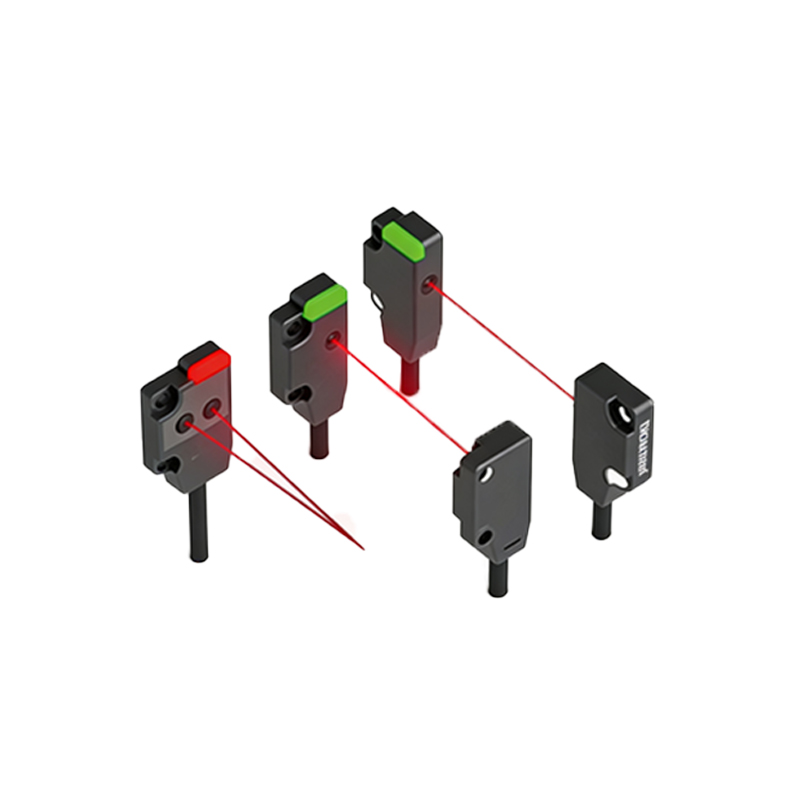
Reflector photoelectric sensors, also known as retro-reflective sensors, are critical components in modern industrial automation. Unlike through-beam sensors that require separate emitter and receiver units, these sensors combine both in a single housing. They operate by emitting a light beam—typically infrared or visible red—toward a reflector, which bounces the signal back. When an object interrupts the beam, the sensor detects the change and triggers a response. This design simplifies installation and reduces wiring complexity, making them ideal for applications where space is limited or objects need to be detected from one side.
Working Principle and Beam Alignment
The core working principle relies on precise beam alignment between the sensor and the reflector. The sensor emits a modulated light pulse, which travels to the reflector and returns. Any interruption of this path by an object—even a transparent one—causes a drop in received light intensity, triggering the output. Thanks to modern optics and polarization filters, these sensors can ignore reflective surfaces like shiny metal or glass, focusing only on the actual target. For engineers, proper alignment is crucial: misalignment by even a few degrees can lead to false triggers or missed detections. Using adjustable brackets and visual indicators simplifies setup.
Key Advantages in Harsh Environments
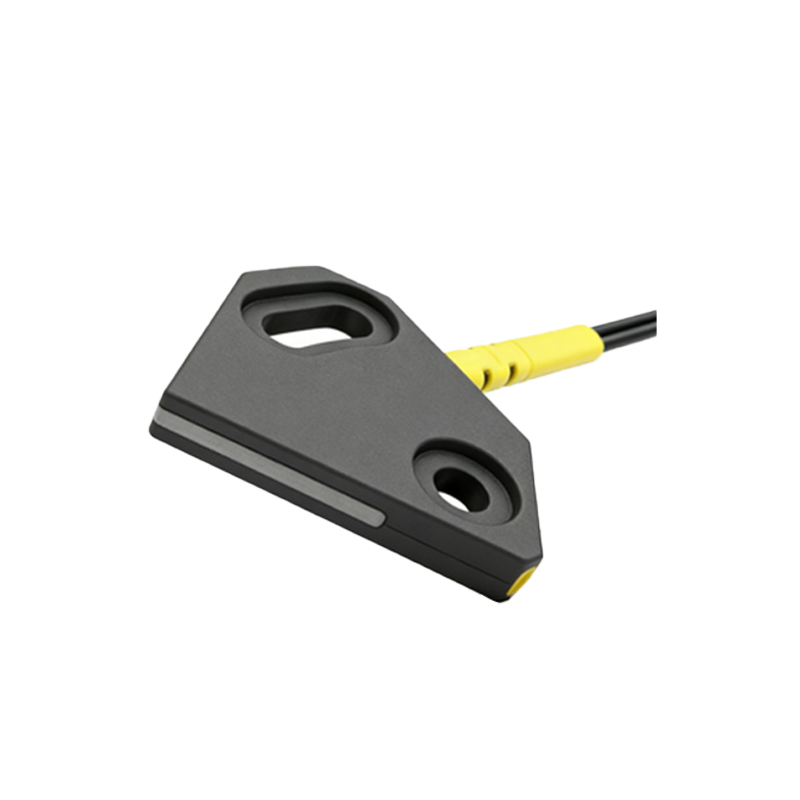
Reflector photoelectric sensors excel in dusty, wet, or vibrating industrial settings. Because the light beam travels twice the distance to the reflector and back, they can cover longer ranges—up to 10-20 meters—with less power than through-beam systems. The reflector itself is passive and rugged, requiring no power, which reduces maintenance. Additionally, they are less susceptible to contamination on the lens compared to diffuse sensors, as the reflected beam compensates for minor dirt buildup. This reliability makes them a top choice for conveyor systems, packaging lines, and material handling.
Critical Factors for Sensor Selection
When specifying a reflector photoelectric sensor, engineers must consider several parameters. First, the sensing range: typical units offer 2-15 meters, but high-power models can reach 30 meters. Second, the light source: red visible light aids alignment, while infrared offers longer range. Third, output type: choose between NPN/PNP, analog, or IO-Link for smart factory integration. Fourth, ambient light immunity—industrial environments often have bright lighting or flickering sources, so sensors with modulated frequencies and day/night filters are essential. Finally, check the reflector material: glass or acrylic reflectors handle different temperature ranges and vibration levels.
Common Applications and Case Studies
In automotive assembly plants, these sensors detect car bodies on overhead conveyors without physical contact, preventing scratches. In food and beverage packing, they monitor bottle presence on high-speed lines, even through transparent packaging. A case study from a German logistics center showed that replacing inductive sensors with reflector photoelectric units reduced downtime by 30% due to fewer false triggers from metal debris. Another application is in elevator door safety, where a single sensor and reflector pair cover the entire door travel path.
Installation and Troubleshooting Tips
For optimal performance, mount the sensor at an angle perpendicular to the reflector surface. Avoid placing reflectors near highly reflective walls or machinery that could create ghost beams. During installation, use an oscilloscope or the sensor’s built-in LED indicator to verify beam strength. Common issues include misalignment from vibration—use lock washers and flexible mounts. If the sensor triggers falsely, check for debris on the reflector or lens, and ensure the ambient light filter is enabled. For long cable runs, use shielded twisted-pair wiring to prevent electromagnetic interference.
Comparison with Through-Beam and Diffuse Sensors
Compared to through-beam sensors, reflector types offer simpler wiring (no separate receiver) but slightly less range. Against diffuse sensors, they provide longer detection distances and better reliability against background objects. However, diffuse sensors can detect objects without a reflector, which is useful for irregular targets. In scenarios where space is extremely tight, through-beam sensors still have an edge with their narrow beam. For most general industrial applications, reflector photoelectric sensors strike the best balance between cost, ease of use, and performance.
Future Trends in Photoelectric Sensing
With Industry 4.0, reflector sensors are integrating digital communication protocols like IO-Link, enabling real-time diagnostics and parameter adjustment. Newer models feature multi-beam arrays for detecting multiple object positions simultaneously. Advances in laser diode technology are pushing sensing ranges beyond 50 meters with sub-millimeter accuracy. Additionally, smart reflectors with embedded microchips can now transmit identification data, turning a simple reflector into an IoT node. These innovations will further cement the role of reflector photoelectric sensors in smart factories.