2026-05-29
Tech Hub
By 创始人
Photoelectric Sensors with Timed Shutter Function for Industrial Applications
Introduction to Timed Shutter Photoelectric Sensors
In advanced industrial automation, precise timing and detection are critical. Photoelectric sensors with timed shutter functionality offer a robust solution for monitoring and controlling processes where exposure duration or blocking intervals must be accurately timed. Unlike standard sensors, these devices incorporate an internal timer that measures the duration of a target’s presence or absence within the sensing field, enabling applications such as conveyor belt gap control, product counting, and safety interlocks. The timed shutter feature enhances reliability by filtering out transient signals, ensuring that only sustained events trigger outputs.
Operating Principle and Key Components
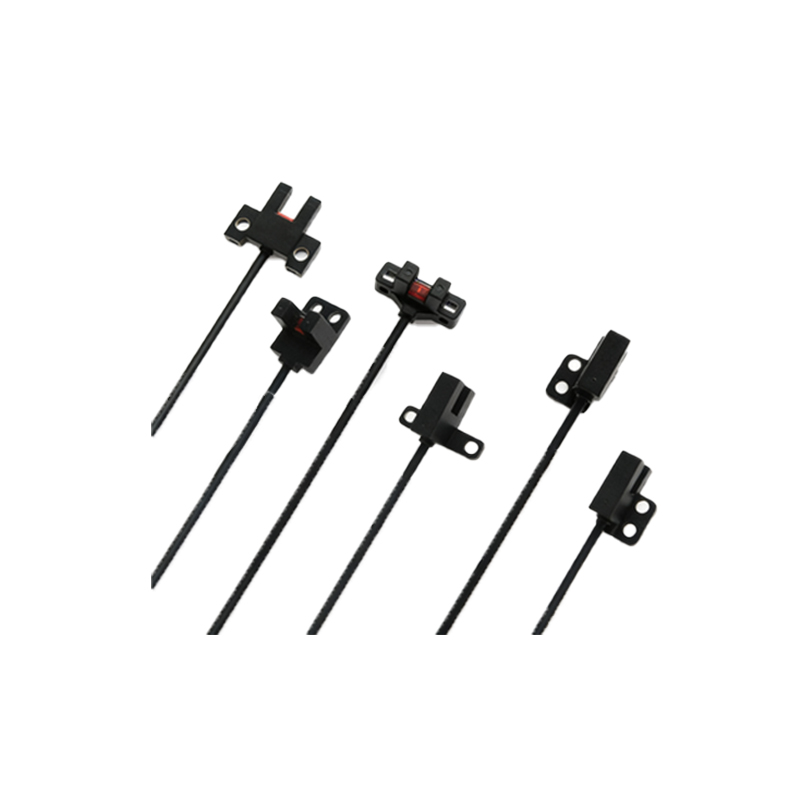
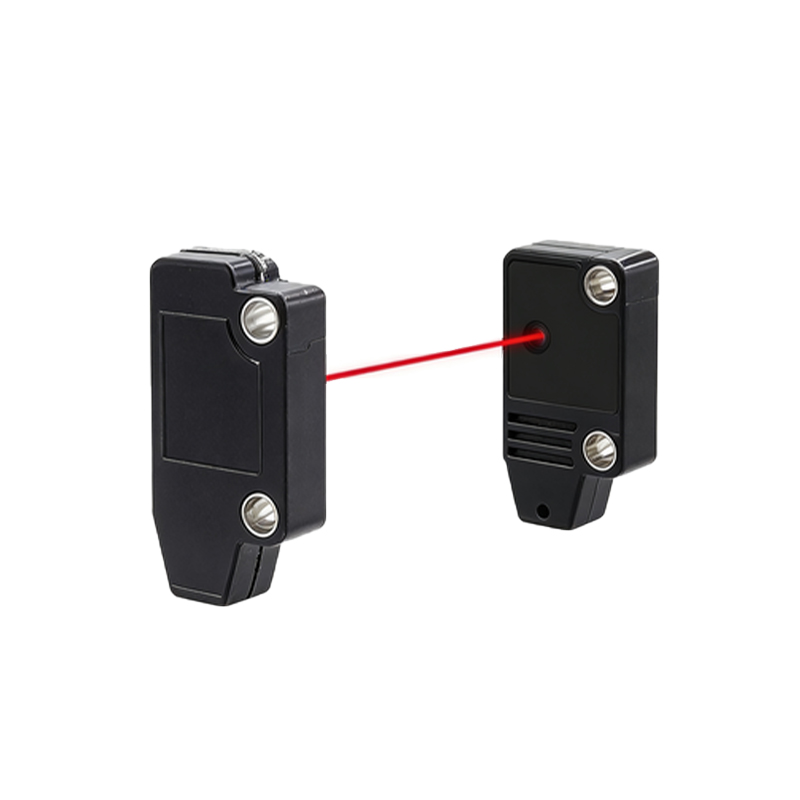
These sensors typically combine a light emitter (LED or laser) and a photodetector with a microcontroller-based timing module. The shutter function works by setting a predefined time threshold for when the optical path is blocked or unblocked. For instance, in a through-beam configuration, the sensor outputs a signal only if the beam is interrupted for a duration exceeding the set timer. Key components include adjustable potentiometers or digital interfaces for setting timing intervals, ranging from milliseconds to several seconds. This design minimizes false triggers caused by dust, vibration, or momentary obstructions, making it ideal for harsh factory environments.
Application Scenarios in Manufacturing
One primary application is in automated assembly lines where parts must be spaced evenly. A timed shutter sensor detects the leading edge of a product and starts a timer; if the next product arrives too quickly, the system halts to prevent jams. Another use is in packaging machinery, where sensors monitor the presence of labels or seals over a specific time window. In metalworking, these sensors can detect tool wear by measuring the time a workpiece blocks the beam during cutting operations. The ability to adjust timing parameters on-site allows engineers to fine-tune processes without reprogramming controllers.
Benefits over Standard Photoelectric Sensors
Traditional sensors lack temporal discrimination, often causing nuisance alarms from fast-moving debris or flickering light. Timed shutter sensors provide superior noise immunity and reduce false counts by up to 90% in dusty or high-speed environments. They also simplify wiring by eliminating the need for external timers or PLCs for simple timing functions. Additionally, their adjustable delay ensures consistent output even when target speed varies, enhancing overall system reliability. For engineers, this translates to lower maintenance costs and improved production efficiency.
Installation and Calibration Guidelines
Proper installation begins with selecting the correct sensing mode—through-beam, retroreflective, or diffuse—based on the target’s material and distance. For timed shutter sensors, mount them perpendicular to the target path to ensure consistent blocking. Calibration involves setting the time delay via a potentiometer or digital menu, then testing with actual production samples. It is crucial to account for ambient light interference; use shielded cables and avoid direct sunlight. Regular cleaning of optics is recommended, as dirt accumulation can alter timing accuracy. Most sensors include LED indicators for quick status checks during setup.
Future Trends in Timed Shutter Technology
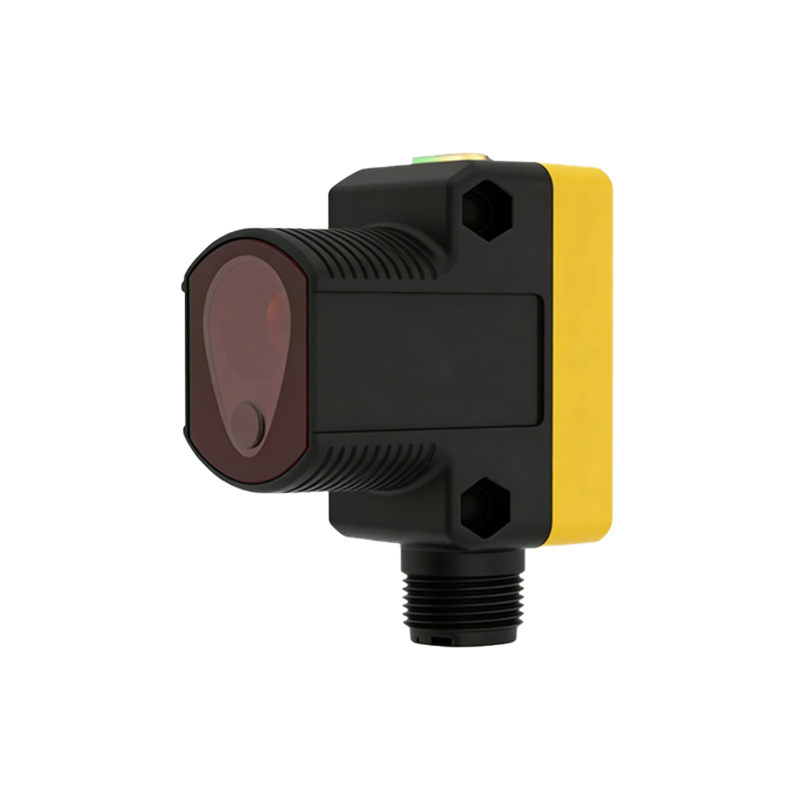
The evolution of Industry 4.0 is driving demand for smarter sensors with communication capabilities. Next-generation timed shutter photoelectric sensors are integrating IO-Link protocols, allowing real-time parameter adjustments from a central control system. Predictive maintenance features are also emerging, where the sensor logs timing deviations to forecast component wear. Additionally, miniaturization is enabling these sensors to fit into compact robotic grippers and automated guided vehicles. As manufacturing becomes more data-driven, the timed shutter sensor will play a pivotal role in time-critical automation tasks.
Conclusion and Recommendation for Engineers
For engineers seeking to optimize production lines, timed shutter photoelectric sensors offer a cost-effective upgrade over standard models. They provide precise temporal control, reduce false triggers, and simplify system design. When selecting a sensor, consider factors such as response speed, timing range, and environmental ratings. I recommend integrating these sensors in applications where object presence duration is as important as detection itself. With proper setup, they can significantly enhance throughput and reliability in any industrial setting.