Proximity sensors are indispensable components in modern automation, manufacturing, and consumer electronics. They provide non-contact detection of objects, enabling precise control and safety functions. However, like any electronic component, they are susceptible to failure. Understanding the root causes of proximity sensor malfunctions is crucial for effective maintenance, minimizing downtime, and ensuring system reliability. This guide explores the primary reasons behind proximity sensor failures and offers practical insights for diagnosis.
Environmental factors are among the most common culprits. Contamination is a persistent enemy. Dust, metal shavings, oil, coolant, or other particulate matter can accumulate on the sensor's active face. This layer physically blocks or interferes with the sensor's electromagnetic or capacitive field, leading to false readings, reduced sensing range, or complete failure to detect objects. In harsh industrial settings, this is a frequent occurrence. Similarly, chemical exposure can be devastating. Corrosive substances, strong solvents, or certain gases can degrade the sensor's housing, seals, and internal electronics. This degradation can cause short circuits, corrosion of contacts, or damage to the sensing element itself.
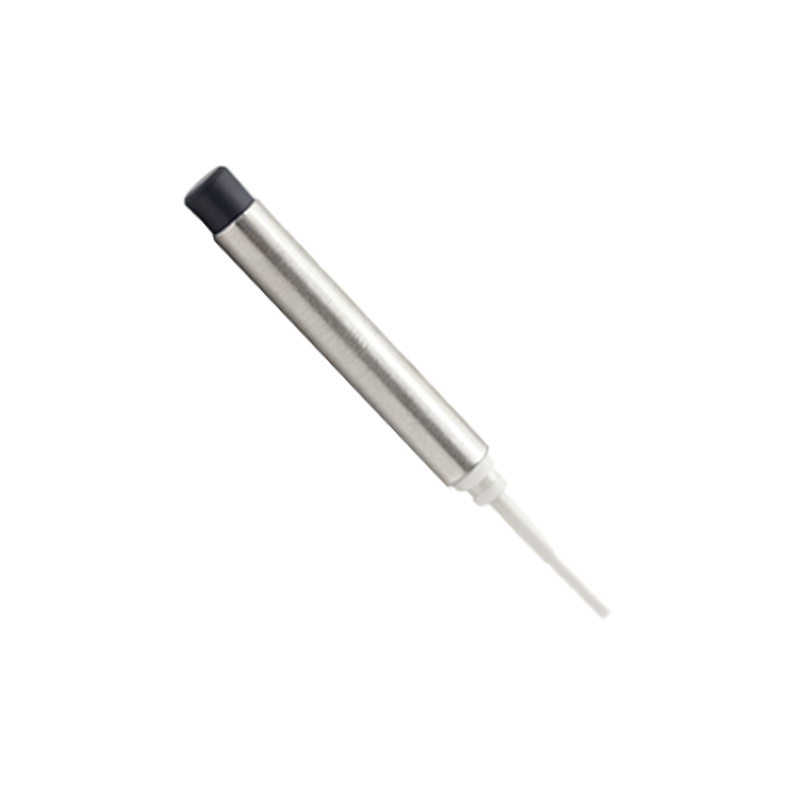
Physical damage and mechanical stress are direct causes of failure. Impact from tools, workpieces, or accidental collisions can crack the sensor housing, damage the internal coil (for inductive sensors), or misalign critical components. Even without a visible crack, a strong impact can dislodge internal wiring or circuit boards. Vibration is a more insidious threat. Constant, high-frequency vibration, common in machinery like presses or conveyors, can loosen electrical connections, fatigue solder joints, and eventually cause wires to break or components to become detached. Improper installation, such as overtightening the mounting nut, can distort the sensor body and affect its performance.
Electrical issues represent a broad category of failure modes. Voltage spikes and surges are particularly destructive. These can originate from lightning strikes, the switching of large inductive loads (like motors or solenoids) on the same power circuit, or faulty power supplies. A surge can instantly overload and destroy the sensor's sensitive internal circuitry. Incorrect power supply is another common error. Connecting a sensor to a voltage outside its specified range—for example, applying 24V DC to a 12V DC sensor—will likely cause immediate and permanent damage. Even a correct voltage from a poor-quality or noisy power supply can lead to erratic operation and premature failure due to electrical noise interference.
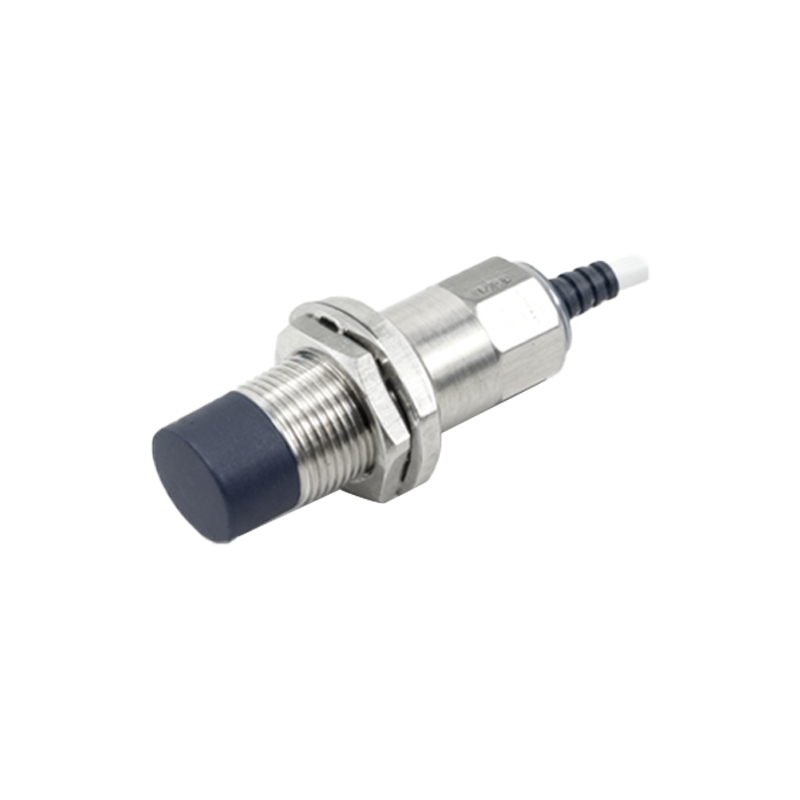
Wiring problems are often overlooked but are a frequent source of intermittent faults. Loose connections at the terminal block or connector increase electrical resistance, causing voltage drops and heating, which can lead to failure. Damaged cables from being pinched, cut, or abraded can cause short circuits, open circuits, or allow moisture ingress. Incorrect wiring, such as reversing polarity for a DC sensor or connecting a sinking sensor to a sinking input (or vice versa), will prevent the sensor from functioning and may damage it or the connected controller.
Internal component wear and aging are inevitable. The oscillator and output circuitry within the sensor are subject to thermal cycling and electrical stress over time. Components like capacitors can dry out or lose capacitance, and semiconductors can degrade. This aging process gradually reduces the sensor's performance, manifesting as a decreased sensing range or increased response time before eventual failure. For sensors with LEDs or other indicators, these components also have a finite lifespan.
Electromagnetic interference (EMI) and radio frequency interference (RFI) can cause perplexing intermittent problems. Strong EMI sources, such as variable frequency drives (VFDs), welding equipment, or large motors, can induce spurious signals in the sensor or its cabling. This interference may cause the sensor to trigger falsely or fail to trigger when it should. Inadequate shielding of the sensor or its cable in such environments is a typical root cause.
Finally, operational errors and incompatibility play a role. Exceeding the sensor's specifications is a direct path to failure. This includes using an inductive sensor to detect a non-metallic object it cannot sense, consistently detecting objects outside the published sensing range, or subjecting the sensor to temperatures beyond its rated operating limits. Sensor incompatibility with the load or controller interface can also cause issues, such as overloading a solid-state output with too much current.
Troubleshooting should begin with the simplest checks: inspect for physical damage and contamination, verify power supply voltage and wiring connections, and ensure the target object is appropriate and within range. Using an oscilloscope or a dedicated sensor tester can help diagnose electrical noise or signal integrity issues. Prevention is key: selecting sensors with appropriate environmental ratings (IP67, IP69K), using surge protection devices, employing proper cable management and shielding, and adhering to installation guidelines will significantly extend sensor life and system uptime.