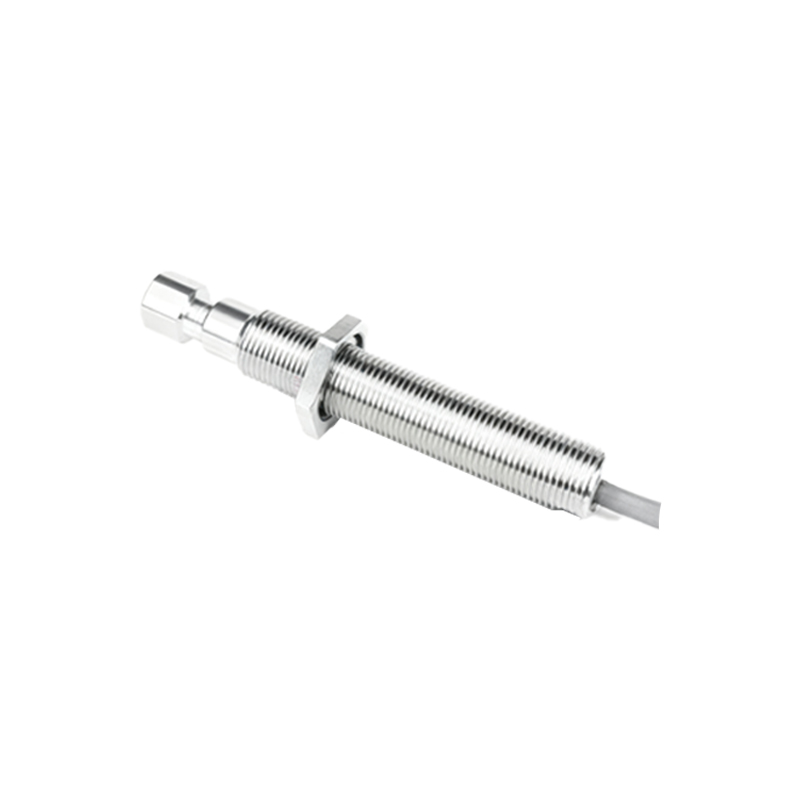
In industrial and consumer electronics, proximity sensors play a crucial role in detecting the presence or absence of objects without physical contact. Their reliability often hinges on one critical characteristic: waterproof performance. This capability determines whether a sensor can function accurately in environments exposed to moisture, dust, sprays, or even complete immersion. Understanding the factors that contribute to a proximity sensor's waterproof effectiveness is essential for selecting the right component for demanding applications.
The foundation of waterproofing in proximity sensors lies in their Ingress Protection (IP) rating. This internationally recognized code, such as IP67 or IP69K, defines the level of protection against solid particles and liquids. The first digit indicates protection from solids (like dust), while the second digit specifically denotes liquid ingress protection. For instance, a sensor rated IP67 is dust-tight and can withstand temporary immersion in water up to 1 meter for 30 minutes. A rating of IP69K signifies protection against high-pressure, high-temperature water jets, making it suitable for wash-down environments in food processing or automotive manufacturing. It is vital to match the IP rating precisely to the expected environmental conditions, as over-specification can increase cost, while under-specification leads to premature failure.
Several design and manufacturing elements directly influence a sensor's ability to repel water. The most fundamental is the housing or enclosure material. Durable plastics like PBT or PPS, and metals like stainless steel, provide robust first-line defense. The integrity of seals is paramount. Gaskets made from silicone, fluorosilicone, or EPDM rubber are commonly used to create a tight seal between the sensor housing and its lens or cable entry points. The method of cable entry is another critical junction. Moulded cable glands or potting—the process of filling the sensor's internal cavity with a waterproof resin—effectively prevent water from travelling along the cable into the electronic components. For sensors with sensing faces, the lens material (often glass or specific plastics) must be seamlessly bonded to the housing to eliminate any micro-gaps.
The type of sensing technology also interacts with waterproofing needs. Inductive proximity sensors, which detect metallic objects, often have a solid front face made of a material like PBT, which is inherently easy to seal. Capacitive sensors, which can detect non-metallic materials, may have a different face design that requires careful sealing to maintain sensitivity while blocking moisture. Ultrasonic sensors, which use sound waves, require a membrane that can vibrate freely yet remain impervious to water, presenting a unique sealing challenge. Photoelectric sensors, with their optical lenses, demand exceptionally clear and waterproof windows to avoid signal distortion from condensation or water films.
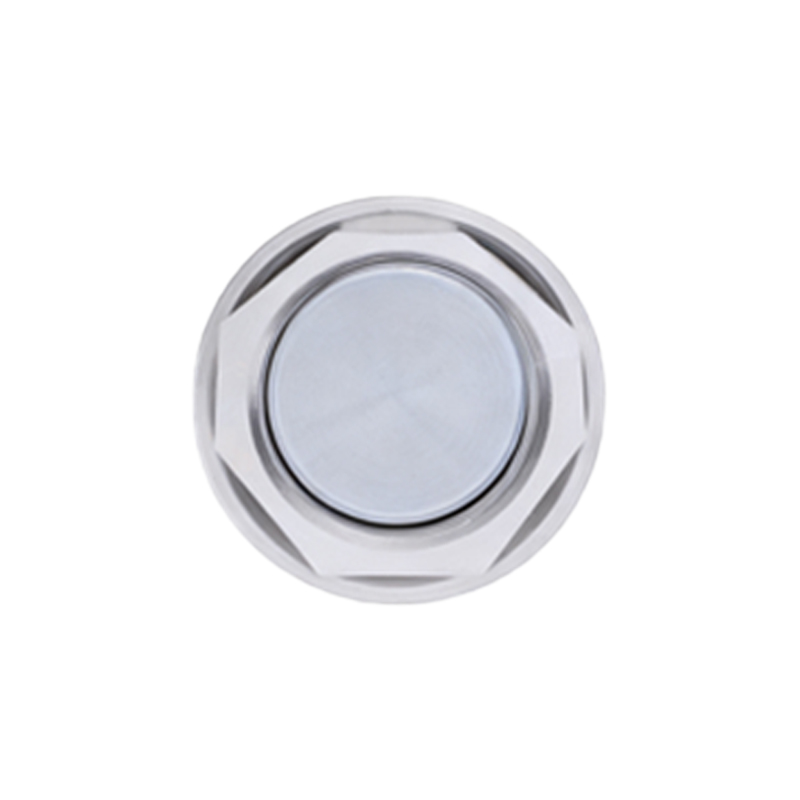
Real-world applications vividly demonstrate the importance of waterproof proximity sensors. In automotive assembly lines, sensors with IP67 ratings are standard for resisting coolant sprays and occasional splashes. In food and beverage production, sensors must withstand frequent, aggressive high-pressure cleaning with caustic solutions, necessitating IP69K ratings and often specific material certifications for hygiene. Agricultural machinery and outdoor automated gates employ waterproof sensors to endure rain, humidity, and dust. Even in consumer appliances like dishwashers or liquid soap dispensers, miniature waterproof proximity sensors ensure reliable touchless operation.
To ensure long-term waterproof integrity, proper installation and maintenance are as important as the initial design. Sensors should be mounted according to manufacturer specifications, ensuring seals are not twisted or pinched. Conduit entries should be properly sealed, and any mounting brackets should not compromise the sensor's housing. Regular inspection for cracks in the housing, degradation of seals, or damage to the cable sheath is recommended, especially in harsh environments. It is also crucial to understand that waterproof ratings are typically validated with fresh water; exposure to chemicals, oils, or extreme temperatures may degrade seals and materials faster, requiring sensors with specific chemical resistance.
In conclusion, the waterproof performance of a proximity sensor is not a single feature but the result of a holistic design approach encompassing material science, precision engineering, and rigorous testing. By carefully considering the IP rating, construction quality, sensing technology, and the specific demands of the application environment, engineers and designers can integrate proximity sensors that deliver consistent, reliable performance despite exposure to water and other contaminants. This reliability is fundamental to achieving higher machine uptime, reduced maintenance costs, and overall system robustness in an increasingly automated world.