In the realm of industrial automation and machinery, the reliability and precision of sensing technology are paramount. Among the various components that form the backbone of modern control systems, the Proximity Switch Sensor, often abbreviated as PSE, stands out for its critical role in non-contact detection. This guide delves into the fundamentals, types, selection criteria, and practical applications of PSE sensors, providing essential knowledge for engineers and technicians.
A Proximity Switch Sensor (PSE) is a solid-state electronic device designed to detect the presence or absence of an object within its sensing range without any physical contact. It operates by emitting an electromagnetic field or a beam of electromagnetic radiation (like infrared light) and monitoring for changes in the field or return signal. When a target object enters this field, it causes a detectable change, triggering the sensor's output switch. This non-contact nature eliminates mechanical wear and tear, ensuring long operational life and high reliability in demanding environments.
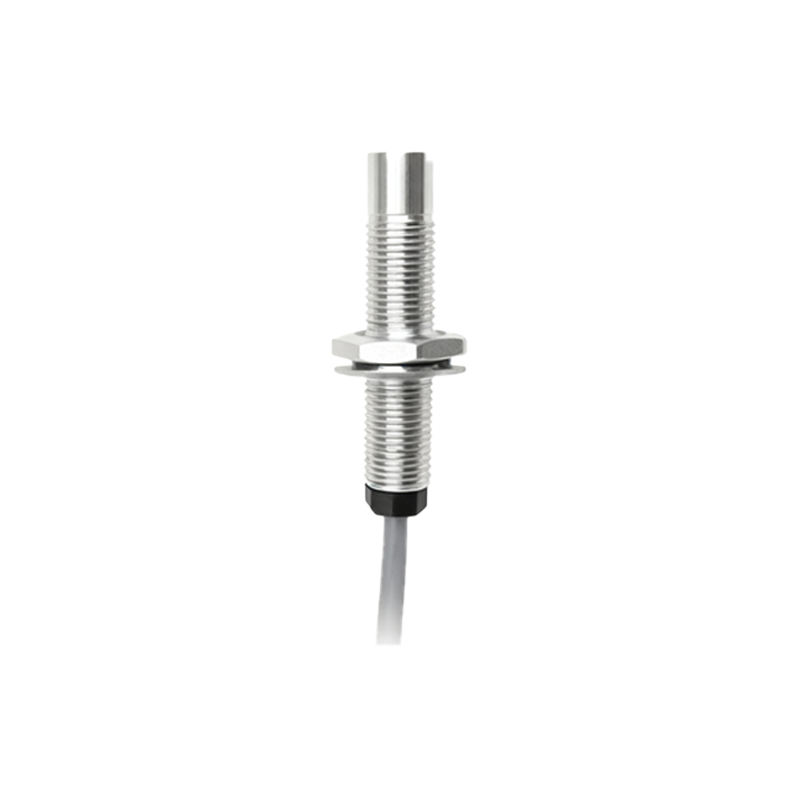
There are several primary types of PSE sensors, each suited for different materials and applications. Inductive proximity sensors are the most common type. They generate an oscillating electromagnetic field and detect the eddy current losses caused when a conductive metal target enters the field. They are ideal for detecting metals like steel, aluminum, and copper. Capacitive proximity sensors, on the other hand, can detect both metallic and non-metallic materials, including liquids, plastics, and wood. They function by sensing changes in capacitance between the sensor and the target. For longer-range detection or for sensing non-metallic objects where capacitive sensors might be less effective, photoelectric proximity sensors are used. These employ a light emitter and receiver to detect the presence of an object by either the interruption (through-beam) or reflection (retro-reflective or diffuse) of a light beam. Ultrasonic sensors use sound waves for detection and are excellent for challenging conditions involving dust, fog, or varying colors and surface finishes.
Selecting the right PSE sensor requires careful consideration of several key parameters. The sensing distance, or nominal range, is crucial and must be chosen with a safety margin to account for installation tolerances and environmental factors. The target material directly dictates whether an inductive, capacitive, or photoelectric sensor is needed. The output configuration is another vital decision point; sensors typically provide either a digital ON/OFF signal (PNP or NPN transistor outputs) or an analog signal (4-20mA or 0-10V) proportional to the distance. Environmental conditions such as temperature extremes, presence of chemicals, washdown requirements, or heavy vibration must be matched with the sensor's ingress protection (IP) rating and housing material (e.g., stainless steel, nickel-plated brass, or PBT plastic). Finally, the physical size and mounting style (threaded barrel, rectangular, or limit-switch style) must be compatible with the available space and mechanical design.
The applications for PSE sensors are vast and span across all industries. In automotive manufacturing, inductive sensors count gears on a production line or verify the position of robotic arms. In packaging, photoelectric sensors detect labels on bottles or confirm the presence of a product in a box. Capacitive sensors are used in food and beverage processing to monitor liquid levels in tanks through non-metallic walls. In material handling, sensors provide position feedback for conveyor systems, preventing jams and enabling sorting. They are also integral to safety systems, acting as interlock switches on machine guards to ensure operators cannot access hazardous areas during operation.
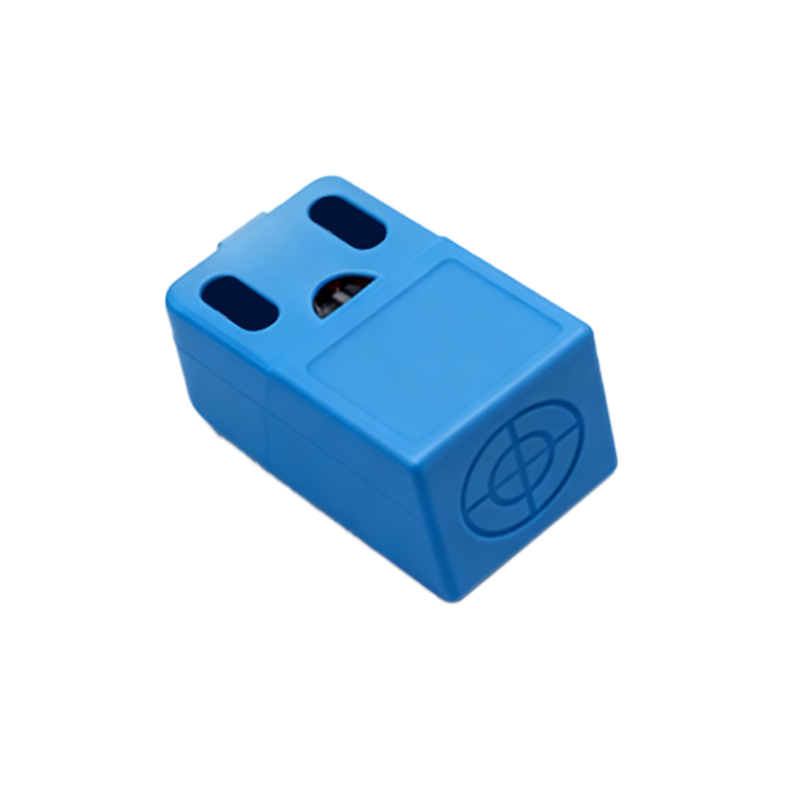
Installation and maintenance are straightforward but require attention to detail. Sensors should be mounted securely to minimize vibration. For inductive sensors, it is important to maintain a minimum distance from other metal objects and adjacent sensors to prevent mutual interference, a concept known as "shielding." Regular cleaning of the sensing face to remove dust, oil, or debris is essential for consistent performance. While PSE sensors are robust, troubleshooting might involve checking power supply connections, verifying the output load, and ensuring the target is within the specified sensing range and is of the correct material.
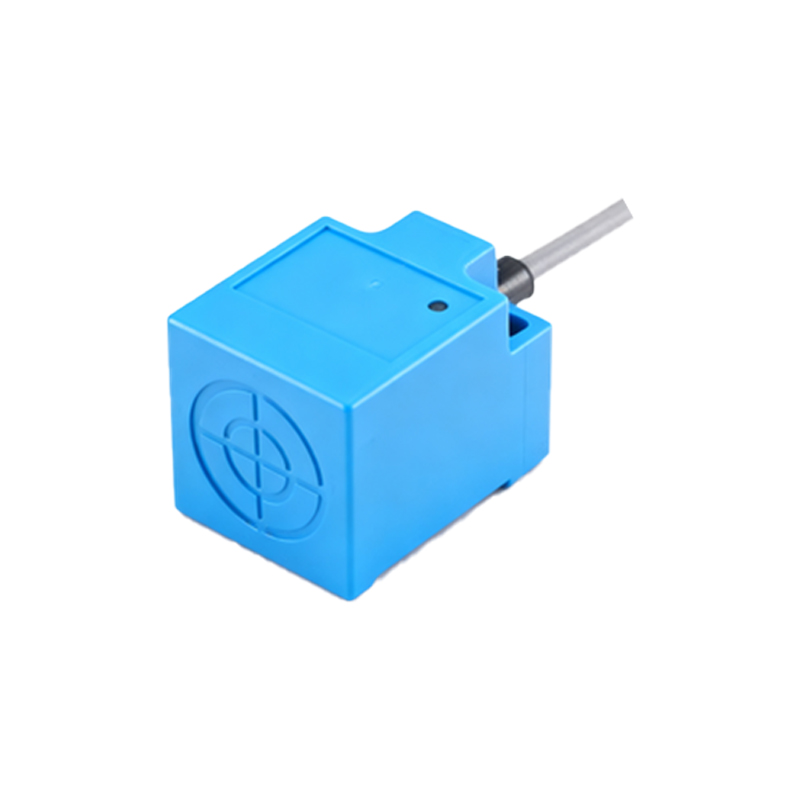
In conclusion, the Proximity Switch Sensor (PSE) is an indispensable component in automated systems, offering reliable, wear-free object detection. Understanding the different technologies—inductive, capacitive, photoelectric, and ultrasonic—allows for optimal selection based on the target material, required range, and environmental conditions. By carefully considering specifications and adhering to proper installation practices, these sensors can significantly enhance the efficiency, safety, and reliability of countless industrial processes, forming a silent yet critical layer of intelligence in modern machinery.