Proximity sensors integrated into circuit boards are critical components in modern electronics, enabling non-contact detection of objects. These sensors operate on various principles, including inductive, capacitive, and optical technologies, each suited to specific applications. Understanding their specifications is essential for engineers and designers to ensure optimal performance and reliability in end products.
Key specifications begin with sensing distance, typically ranging from a few millimeters to several centimeters. This parameter defines how far an object can be detected from the sensor face. Inductive sensors, for instance, excel in detecting metallic objects within short ranges, while capacitive variants can sense both metallic and non-metallic materials. Accuracy and repeatability are crucial; high repeatability ensures consistent detection under varying environmental conditions, such as temperature fluctuations or electrical noise.
Output type is another vital consideration. Sensors may provide digital outputs like NPN or PNP transistor switching, or analog outputs such as 0-10V or 4-20mA signals. Digital outputs are common for simple presence detection, while analog outputs offer proportional distance measurement, useful in precision applications. Response time, measured in milliseconds, indicates how quickly the sensor reacts to an object’s presence. Fast response times are imperative in high-speed automation or robotics.
Environmental ratings, including IP (Ingress Protection) codes, define resistance to dust and moisture. For harsh industrial environments, sensors with IP67 or higher ratings are recommended. Operating temperature ranges ensure functionality in extreme conditions, from freezing cold to intense heat. Additionally, electrical specifications like supply voltage (e.g., 10-30V DC) and current consumption impact power management on the circuit board.
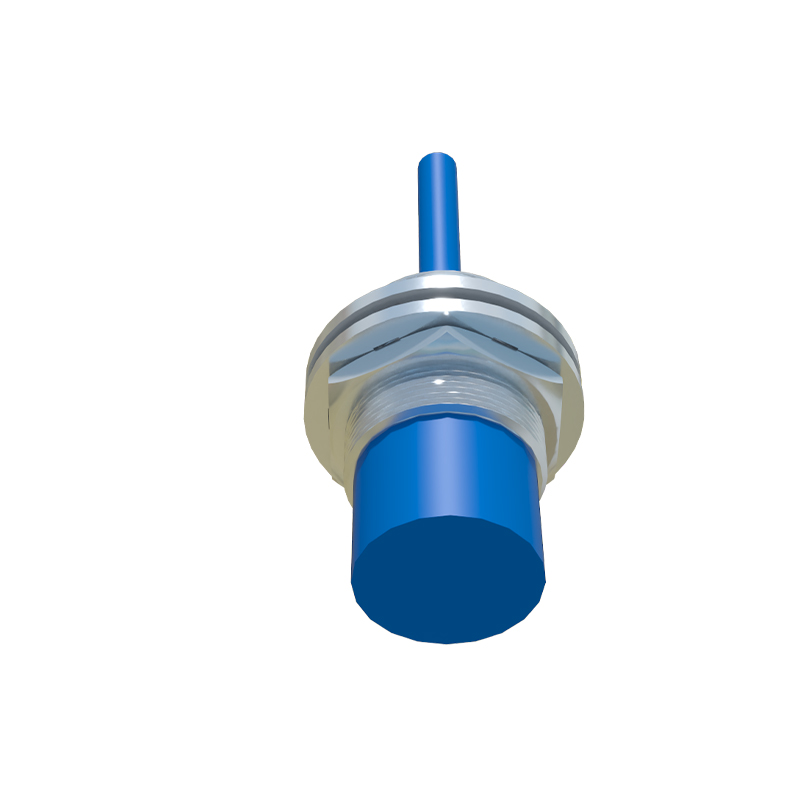
Mounting and size constraints are practical factors. Surface-mount technology (SMT) sensors allow compact designs, while through-hole types offer robust mechanical connections. Engineers must also consider interference immunity, as electromagnetic interference (EMI) can affect sensor performance. Shielding and proper circuit layout mitigate such issues.
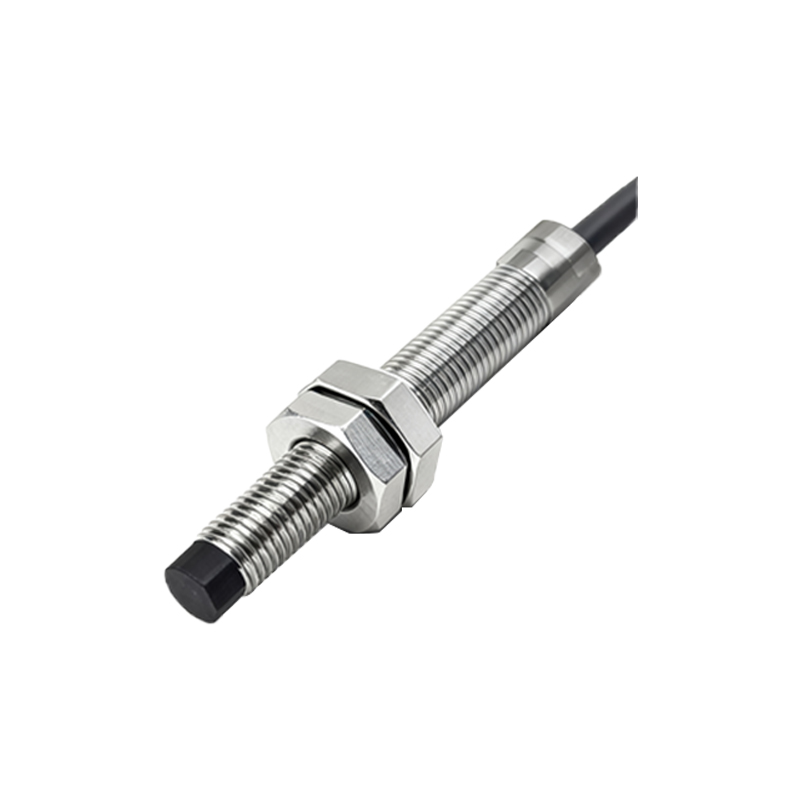
In summary, selecting the right proximity sensor involves balancing specifications like sensing distance, output type, environmental durability, and form factor. By aligning these parameters with application needs, designers enhance system efficiency and longevity. Always refer to manufacturer datasheets for precise details, as specifications can vary between models and brands.