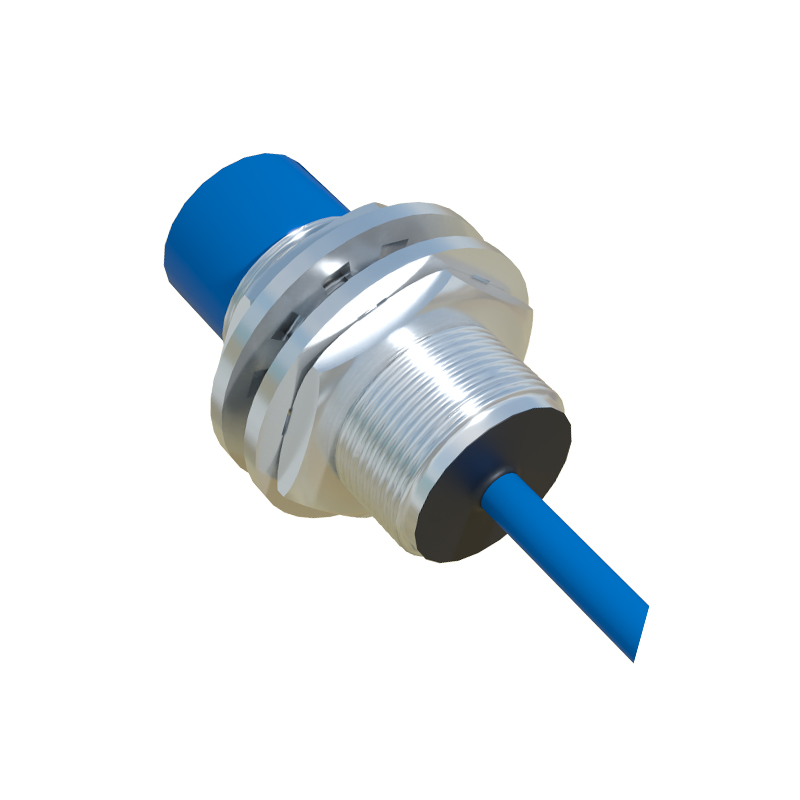
Aluminum proximity sensors are essential components in modern industrial automation, offering non-contact detection of metallic objects. These sensors operate based on the principle of electromagnetic induction, specifically designed to detect aluminum and other non-ferrous metals with high precision. Unlike standard inductive sensors that primarily sense ferrous materials like iron or steel, aluminum proximity sensors incorporate a unique oscillator circuit and demodulation system to overcome aluminum's lower conductivity and permeability.
The core mechanism involves an oscillator generating a high-frequency electromagnetic field from the sensor's coil. When an aluminum target enters this field, eddy currents are induced on the metal surface due to its conductive properties. Aluminum, being a non-ferrous metal, causes weaker eddy currents compared to ferrous metals, leading to a smaller reduction in oscillation amplitude. To address this, aluminum proximity sensors utilize a specialized circuit that amplifies and processes these subtle changes. The demodulator analyzes the oscillation shift, triggering a switch output when the target reaches the preset sensing distance. This design ensures reliable detection even with aluminum's inherent challenges, such as its lower magnetic permeability and higher electrical resistance.
Key factors influencing performance include the sensor's operating frequency, target size, and material composition. Aluminum alloys with varying conductivity may require calibration adjustments. Additionally, these sensors often feature shielding to minimize interference from surrounding metals, enhancing accuracy in dense industrial environments. Common applications range from conveyor systems in packaging to robotic assembly lines, where they detect aluminum cans, parts, or fixtures without physical contact, reducing wear and maintenance.
Advantages of aluminum proximity sensors include their durability in harsh conditions, resistance to dust and moisture, and fast response times. However, limitations exist, such as reduced sensing ranges compared to ferrous-target sensors and potential sensitivity to temperature fluctuations. Modern advancements integrate digital signal processing and IoT connectivity for real-time monitoring, aligning with Industry 4.0 trends. By understanding these principles, engineers can optimize sensor selection and deployment for efficient automation solutions.
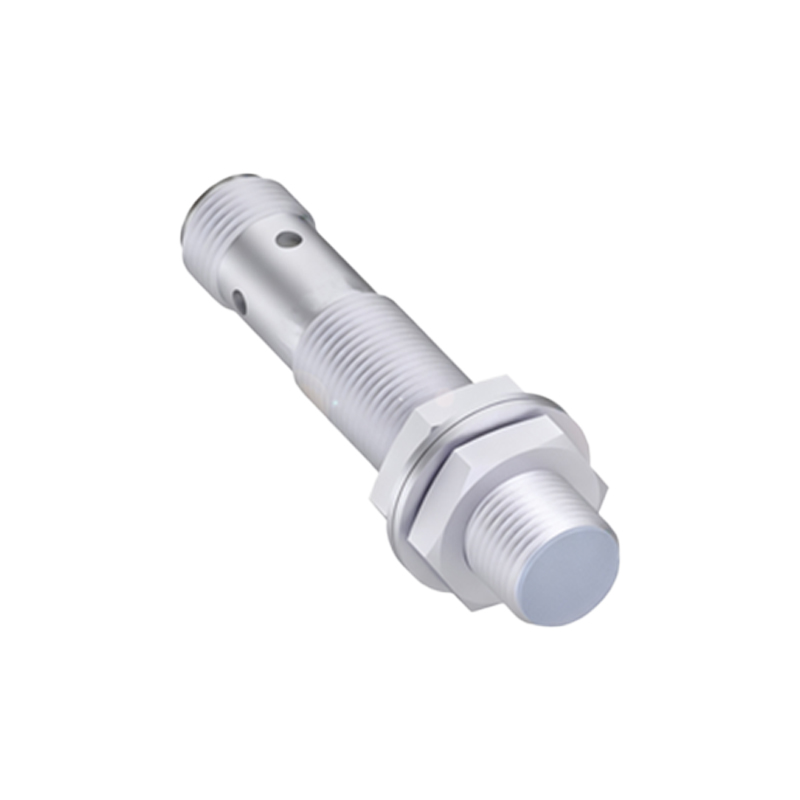
In summary, aluminum proximity sensors leverage tailored electromagnetic induction to overcome the detection difficulties posed by non-ferrous metals. Their robust design and adaptive circuitry make them indispensable in industries prioritizing precision and reliability, from automotive manufacturing to food processing. As technology evolves, these sensors continue to improve in sensitivity and integration capabilities, driving innovation in automated systems worldwide.