In an era where convenience and efficiency reign supreme, the integration of proximity sensor voice technology is quietly revolutionizing how we interact with our devices. This sophisticated fusion of non-contact detection and voice activation is moving beyond science fiction, becoming a staple in modern electronics, automotive systems, and smart home environments. The core principle is elegantly simple: a proximity sensor detects the presence of a nearby object, typically a human hand or body, without any physical contact. This detection then triggers a voice interface, allowing for seamless, hands-free command and control.
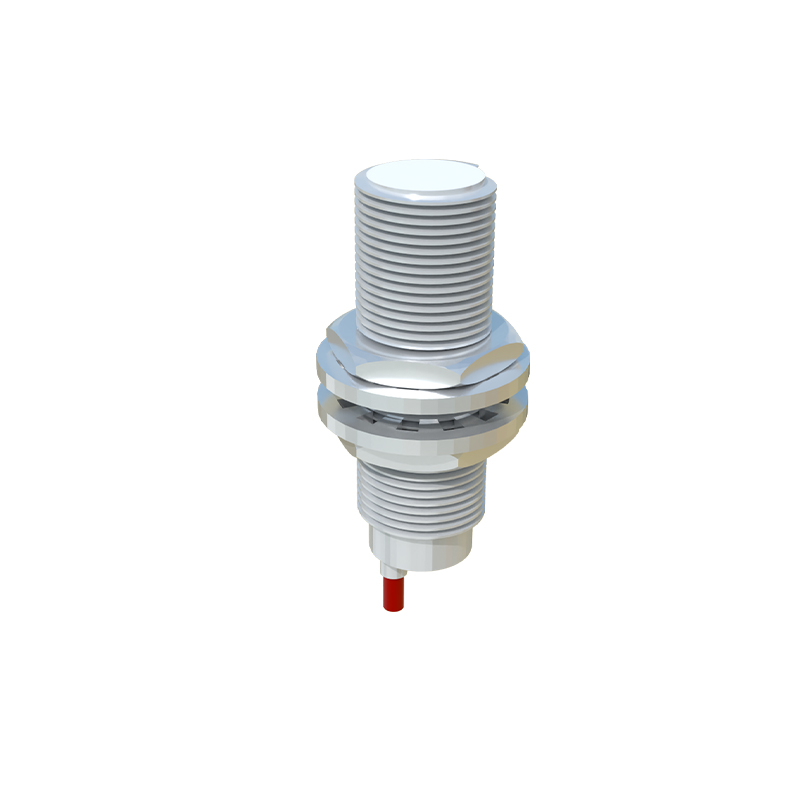
The technology hinges on several types of proximity sensors. Infrared (IR) sensors, for instance, emit an infrared light beam and measure the reflection to gauge distance. Ultrasonic sensors use sound waves, while capacitive sensors detect changes in an electrical field caused by a conductive object like a human body. When the sensor identifies a predefined gesture or mere presence within its range—say, a wave of a hand—it activates a dormant voice assistant. This eliminates the need for a physical "wake word" or button press. Imagine approaching your smart kitchen faucet; the sensor detects you, and a gentle voice prompt asks, "What temperature water would you like?" A simple verbal command completes the task.
The applications are vast and growing. In the automotive sector, this technology enhances both safety and comfort. A driver approaching their vehicle can have the door unlock and a personalized greeting play, all triggered by sensor detection. Inside the cabin, waving a hand near the rearview mirror might activate the in-car voice system to take a navigation command, keeping the driver's eyes firmly on the road. For individuals with mobility or dexterity challenges, this technology is transformative. Appliances, lighting, and communication devices can be operated through a combination of simple presence detection and voice, fostering greater independence.
Smart homes are perhaps the most fertile ground for this synergy. Smart speakers and displays equipped with proximity sensors can sense when a person enters the room. Instead of constantly listening for a wake word, they activate their microphones only upon detection, addressing significant privacy concerns. A nightlight with a proximity sensor and simple voice chip can illuminate a path when it senses someone getting out of bed and respond to a soft command to adjust brightness. Public spaces and retail environments are also adopting it for interactive kiosks that engage customers with voice prompts as they approach, providing information or assistance without the need for touch—a feature whose value was profoundly highlighted in the post-pandemic world.
However, the development of proximity sensor voice systems is not without challenges. Engineers must meticulously calibrate sensors to avoid false triggers from pets, moving shadows, or inanimate objects. Background noise suppression in voice recognition algorithms is crucial to ensure accurate command interpretation upon activation. Furthermore, power consumption is a key consideration, especially for battery-operated devices; the sensor must be low-power yet sensitive enough for reliable detection. Designers are also grappling with creating intuitive user experiences—what is the optimal range for activation? What gesture or presence duration is most natural? The goal is for the technology to feel like a helpful instinct, not a cumbersome feature.
Looking ahead, the convergence with artificial intelligence and machine learning promises even more contextual awareness. Future systems will not only detect presence but also identify the user and recall their preferences. A car might adjust the seat, climate, and playlist the moment the sensor identifies the driver approaching. In offices, conference room systems could launch specific presentations based on who walks in. As the Internet of Things (IoT) expands, this technology will serve as a critical, unobtrusive bridge between the physical and digital worlds, enabling environments that are truly responsive and adaptive.
The evolution of proximity sensor voice technology marks a significant step toward more natural, hygienic, and accessible human-machine interaction. By removing the barriers of physical contact and constant verbal wake cues, it creates a fluid dialogue between users and technology. It is a testament to the pursuit of interfaces that understand not just our commands, but our context and intent, silently waiting in the background until the moment we need them, ready to listen and respond.