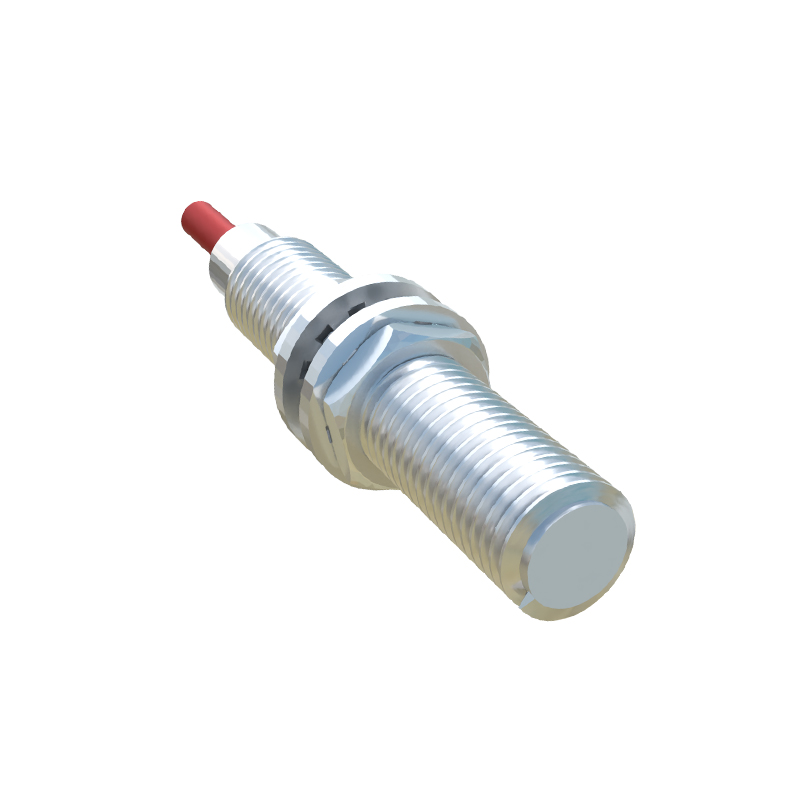
In the realm of industrial automation and control systems, sensors play a pivotal role in ensuring precision, safety, and efficiency. Among the diverse array of sensing devices, limit sensors and proximity sensors are fundamental components, each serving distinct yet sometimes overlapping functions. This article delves into their operational principles, common applications, and key differences, providing a clear perspective for engineers, technicians, and enthusiasts in the field.
Limit sensors, often referred to as limit switches, are electromechanical devices designed to detect the presence or absence of an object within a specific physical range. They typically consist of an actuator mechanism—such as a lever, roller, or plunger—that makes physical contact with the target object. When the object engages the actuator, it triggers an internal electrical switch, changing the state of the output signal. This signal is then used to control machinery, such as stopping a motor, reversing direction, or initiating a sequence in a production line. Due to their reliance on physical contact, limit sensors are ideal for applications where precise positional control is required, such as in CNC machines, conveyor systems, and robotic arms. Their robustness and simplicity make them reliable in harsh environments, though mechanical wear over time can be a consideration.
Proximity sensors, on the other hand, operate without physical contact. These non-contact sensors detect the presence of nearby objects through various principles, including inductive, capacitive, and magnetic methods. Inductive proximity sensors are commonly used for detecting metallic objects by generating an electromagnetic field. When a metal object enters this field, it induces eddy currents, causing a change in the sensor's oscillation amplitude, which triggers an output. Capacitive proximity sensors can detect both metallic and non-metallic materials, such as plastics, liquids, or wood, by sensing changes in capacitance when an object enters their electrostatic field. Magnetic proximity sensors, often used with permanent magnets, are prevalent in applications requiring detection of magnetic fields. The key advantage of proximity sensors is their ability to function without wear from contact, offering longer lifespans and suitability for high-speed operations or delicate materials. They are extensively employed in packaging machinery, automotive assembly, and material handling systems.
While both sensor types are used for object detection, their selection depends on specific application requirements. Limit sensors excel in scenarios demanding exact positional accuracy and where physical contact is acceptable or even beneficial for feedback. For instance, in a milling machine, a limit sensor can precisely define the endpoints of tool movement, preventing overtravel. Conversely, proximity sensors are preferred in environments where contact could cause damage, contamination, or excessive wear. In food processing, non-contact capacitive sensors can detect liquid levels in containers without risking contamination. Additionally, proximity sensors often provide faster response times, as they do not rely on mechanical actuation.
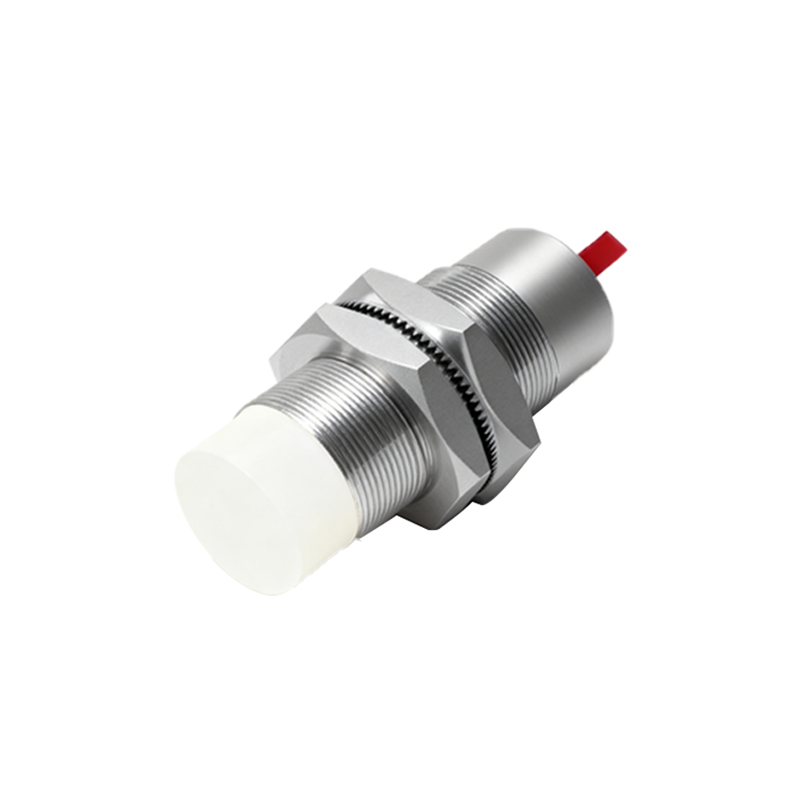
Integration of these sensors into control systems, such as PLCs (Programmable Logic Controllers), enhances automation capabilities. Modern sensors often feature digital outputs, adjustable sensing ranges, and diagnostic functions, aligning with Industry 4.0 trends for smart manufacturing. When designing a system, factors like environmental conditions (temperature, humidity, dust), target material, required sensing distance, and cost must be evaluated. For example, in dusty industrial settings, sealed limit switches or inductive proximity sensors with high ingress protection ratings are advisable.
In summary, limit sensors and proximity sensors are indispensable tools in automation, each with unique strengths. Limit sensors offer reliable contact-based detection for positional control, while proximity sensors provide versatile, non-contact sensing for diverse materials and high-speed applications. Understanding their differences enables optimal selection, contributing to efficient, safe, and innovative industrial solutions. As technology advances, hybrid and intelligent sensors continue to emerge, further expanding the possibilities in automated systems.