Proximity sensors are indispensable components in modern industrial automation, enabling non-contact detection of objects with high reliability and speed. Their performance, however, is heavily dependent on correct installation. Improper mounting can lead to false triggers, reduced sensing ranges, premature failure, and costly downtime. Adhering to a set of fundamental installation guidelines is crucial for ensuring long-term, trouble-free operation. This guide outlines the key principles and best practices for installing inductive, capacitive, and photoelectric proximity sensors.
The first and most critical step is selecting the correct sensor for the application. Consider the target material (ferrous/non-ferrous metal for inductive, various materials for capacitive), required sensing distance, environmental conditions (presence of dust, moisture, temperature extremes, or washdown requirements), and the output type needed (PNP/NPN, NO/NC). Always refer to the manufacturer's datasheet for the sensor's rated operating distance. The effective sensing range (Sn) can be affected by the target material, size, and installation conditions.
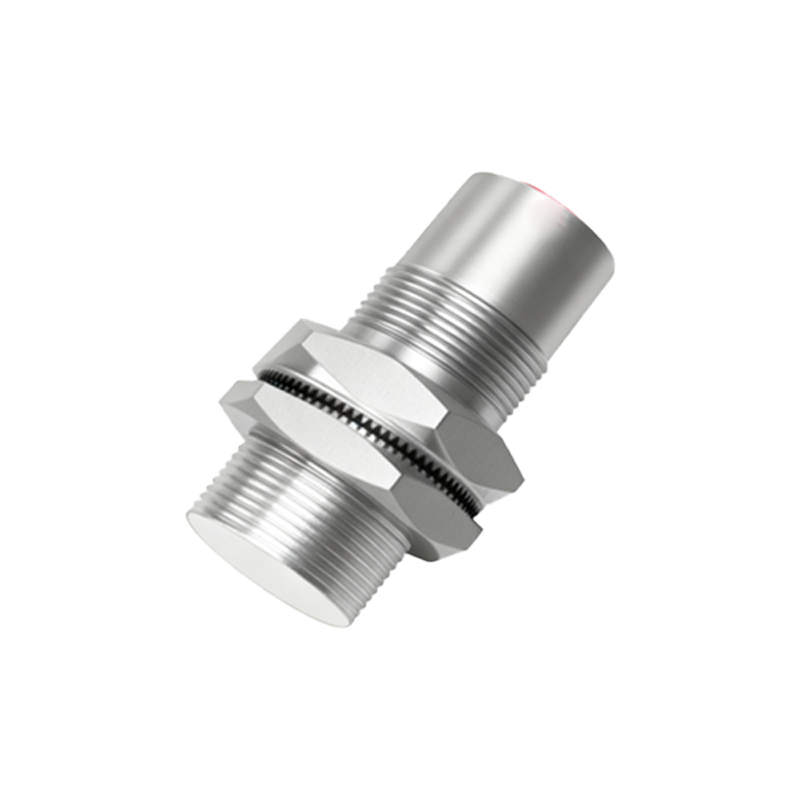
Mounting the sensor correctly is paramount. For cylindrical sensors, ensure they are securely fastened using the correct size nut, avoiding over-tightening which can damage the housing. The sensing face must be positioned correctly relative to the target's approach path. For optimal performance with standard inductive sensors, the target should approach the sensor axially, perpendicular to the sensing face. Side or radial approaches can significantly reduce the effective sensing distance. Maintain a minimum clearance around the sensing face. Most sensors require a non-metallic, "free zone" around the active area to prevent interference from the mounting bracket or nearby metal structures. A general rule is to keep a clearance of one to two times the sensor's diameter from the sides of the sensing face.
The size and material of the target object are equally important. The target should be at least as large as the sensor's sensing face or the diameter specified in the datasheet. For inductive sensors, using a standard mild steel target, the sensing distance is rated. For other metals like aluminum or copper, the effective sensing distance will be reduced, often requiring a correction factor (typically 0.3 to 0.5 for non-ferrous metals). Ensure the target is flat and smooth for consistent detection.
Environmental factors must be carefully managed. Install sensors away from strong magnetic fields, high-frequency welding equipment, or large power cables, as these can cause electrical interference. Use shielded cables and proper grounding techniques. In environments with metal chips or conductive dust, protect the sensor face with a non-metallic guard, keeping in mind this will slightly reduce the sensing range. For washdown or outdoor applications, select sensors with an appropriate IP (Ingress Protection) rating, such as IP67 or IP69K, and ensure all cable connections and conduits are sealed.
Wiring must be performed according to the electrical specifications. Use the correct wire gauge and ensure connections are tight. Pay close attention to the wiring diagram for the output type (sourcing/PNP or sinking/NPN) and load configuration. Always implement electrical protection. Incorporate fuses or circuit breakers in the power supply line. For DC sensors, consider using a flyback diode or surge suppressor when connecting to inductive loads like relays or solenoids to protect the sensor's output transistor from voltage spikes. Maintain proper cable routing, keeping sensor cables separate from high-voltage power lines to minimize noise coupling.
Finally, after installation, thorough testing under all expected operating conditions is mandatory. Verify the sensor triggers reliably with the actual target material and at the required speed. Check for false triggers caused by vibration, nearby moving machinery, or environmental contaminants. Periodically inspect sensors as part of a preventive maintenance routine for signs of physical damage, buildup on the sensing face, or loose connections.
By meticulously following these installation guidelines—selecting the right sensor, ensuring proper mounting and clearances, accounting for the target and environment, implementing correct wiring and protection, and conducting rigorous testing—you can maximize the performance, accuracy, and service life of your proximity sensors, thereby enhancing the reliability and efficiency of your automated systems.