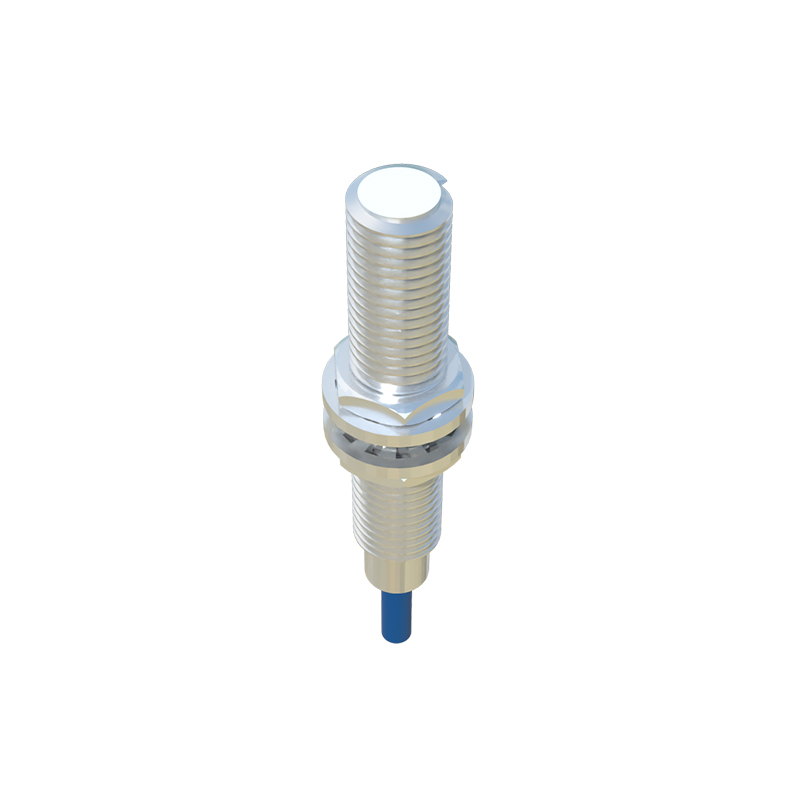
In the realm of industrial automation, robotics, and smart systems, the ability to detect the presence, absence, or position of an object without physical contact is paramount. Among the diverse technologies enabling this capability, phase proximity sensors stand out for their reliability and precision in challenging environments. Unlike simple inductive or capacitive sensors, phase-sensitive detectors offer a more sophisticated approach to proximity sensing, providing enhanced immunity to environmental interference and material variations.
The core principle of a phase proximity sensor revolves around the analysis of phase shift in an electromagnetic field. Typically, the sensor generates a high-frequency oscillating electromagnetic field from a coil or antenna. When a metallic or, in some designs, non-metallic target enters this field, it disturbs the oscillations. This disturbance isn't just about the amplitude or strength of the signal; it primarily causes a measurable shift in the phase relationship between the transmitted signal and the reflected or influenced signal received by the sensor's circuitry. A dedicated evaluation circuit, often using a phase-locked loop (PLL) or a phase comparator, precisely measures this phase shift. The magnitude of this shift is directly correlated to the distance of the target from the sensor face. Once the phase shift reaches a predetermined threshold, the sensor's output switches state, indicating the detection of an object within its specified sensing range.
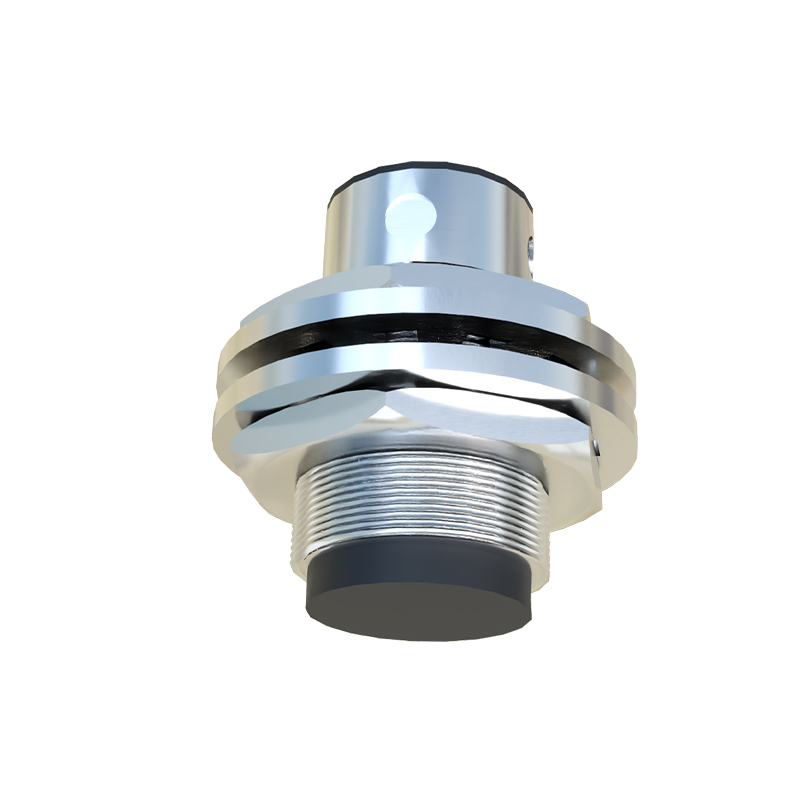
This phase-based methodology confers several significant advantages. First and foremost is stability. These sensors are remarkably resistant to factors that commonly plague other types, such as temperature fluctuations, humidity changes, and the presence of contaminants like dust, oil, or coolant mist. Since the detection criterion is a phase angle rather than a simple amplitude change, the system is less likely to trigger false signals from environmental noise. Secondly, they offer superior performance with different target materials. For metallic targets, the phase response can be tuned to be less sensitive to variations in alloy type or surface condition compared to standard inductive sensors, leading to more consistent switching points. Advanced versions can even distinguish between different metals based on their specific electromagnetic properties.
The applications of phase proximity sensors are extensive and critical. In automotive manufacturing, they are deployed on robotic welding lines to precisely verify the position of sheet metal components before a weld is applied, ensuring absolute accuracy. Within the packaging industry, they reliably detect the presence of metallic foils or labels on high-speed production lines, where other sensors might be fooled by glossy paper or plastic. Machine tool monitoring is another key area, where these sensors are used for tool breakage detection or for confirming the closed position of heavy metal guards, operating reliably despite constant exposure to conductive metal chips and cutting fluids. In aerospace and precision engineering, their ability to provide consistent measurements regardless of minor surface imperfections makes them ideal for assembly verification and positioning tasks.
Selecting the right phase proximity sensor requires careful consideration of several parameters. The sensing range is fundamental and must be chosen with the application's mechanical tolerances in mind. The nature of the target material—whether it is ferrous steel, non-ferrous aluminum, copper, or even a specific type of stainless steel—will influence the sensor's effective range and must be specified. Environmental factors are crucial; sensors are available with various ingress protection (IP) ratings for resistance to dust and water, and specific housing materials (e.g., stainless steel, PBT plastic) for chemical resistance. Output type is another decision point, with options including analog (4-20mA, 0-10V) for continuous distance measurement or discrete digital outputs (PNP/NPN, NO/NC) for simple presence detection. Finally, the physical form factor—barrel-style (cylindrical) or rectangular block—must fit the mechanical constraints of the installation.
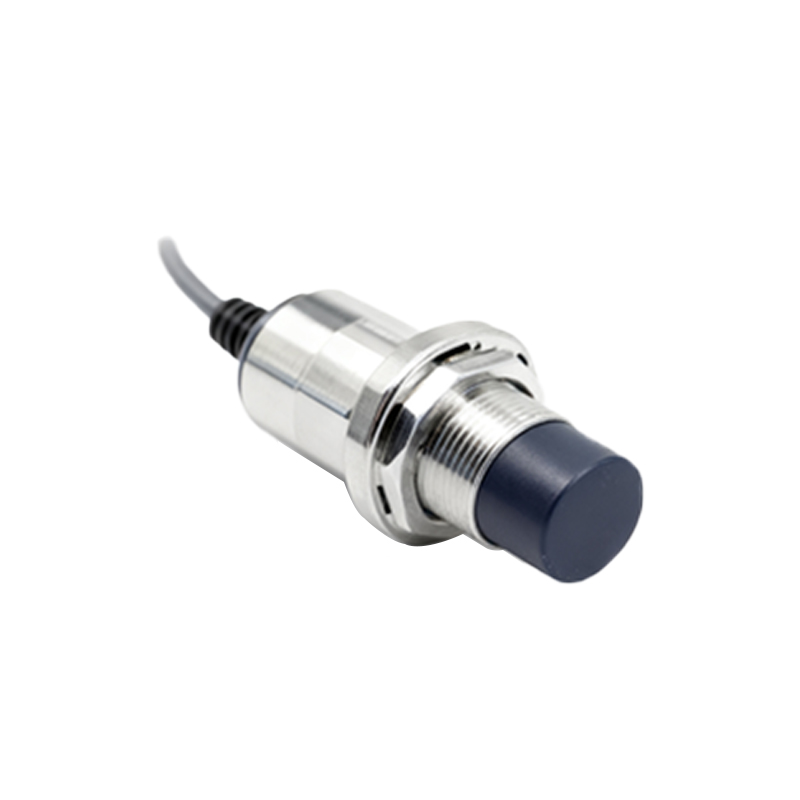
Installation and commissioning also demand attention. Maintaining the proper mounting distance from surrounding metal structures (the "flush-mountable" or non-flush specification) is essential to prevent false triggering. Adequate shielding of cables in electrically noisy environments is recommended to maintain signal integrity. Regular functional checks, while minimal due to the sensor's robustness, are good practice to ensure long-term system reliability.
In conclusion, phase proximity sensors represent a high-performance tier in non-contact detection. By leveraging the precise measurement of electromagnetic phase shift, they deliver unmatched stability and material versatility in demanding industrial settings. For engineers and system integrators facing challenges with standard sensors—be it environmental harshness, target material inconsistency, or the need for extreme precision—phase proximity sensors offer a robust and sophisticated solution, forming an invisible yet vital layer of control in modern automated systems.