In today's rapidly evolving industrial and technological landscape, the demand for precision, reliability, and adaptability in sensing technology has never been greater. Standard proximity sensors, while effective for many common applications, often fall short when faced with unique environmental challenges, specific form factor requirements, or specialized performance criteria. This is where the concept of customized standard proximity sensors becomes not just an option, but a strategic necessity for businesses aiming to optimize their operations and maintain a competitive edge.
The journey toward a customized sensor solution typically begins with a thorough analysis of the application's core requirements. Engineers and product designers collaborate closely with sensor manufacturers to define parameters that go beyond the standard catalog. These parameters can include sensing range, which may need to be extended or precisely narrowed; output type, such as switching from a standard NPN/PNP to a Namur, IO-Link, or analog 4-20mA signal for deeper data integration; and housing material. Standard housings are often made of nickel-plated brass or stainless steel, but applications in corrosive environments, extreme temperatures, or washdown settings may necessitate specialized materials like PVDF, PTFE, or specific grades of stainless steel.
Electrical characteristics are another critical area for customization. Operating voltage may need adjustment to match existing machine control systems. Connection methods can be altered from standard cable exits to quick-disconnect plugs, flying leads of specific lengths, or even wireless interfaces. The sensing face, a crucial component, can be modified. For instance, a flush-mounted sensor might be required to prevent mechanical damage, or a sensor with a narrowed sensing field is essential to avoid false triggers in tightly packed assemblies. In food and pharmaceutical applications, sensors often require FDA-compliant materials and specific surface finishes to meet stringent hygiene standards.
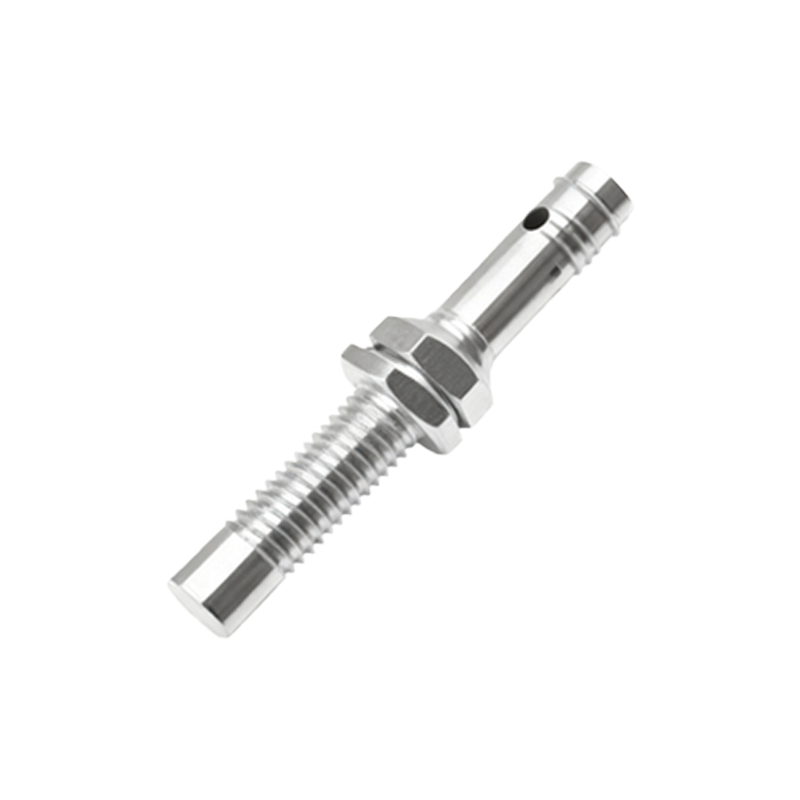
Environmental sealing is paramount. While many standard sensors offer IP67 protection, customized versions can achieve IP68, IP69K, or even specific certifications for explosive atmospheres (ATEX, IECEx). Temperature tolerance is another key factor; standard sensors might operate from -25°C to 70°C, but custom designs can function reliably in cryogenic conditions or near high-temperature processes exceeding 100°C.
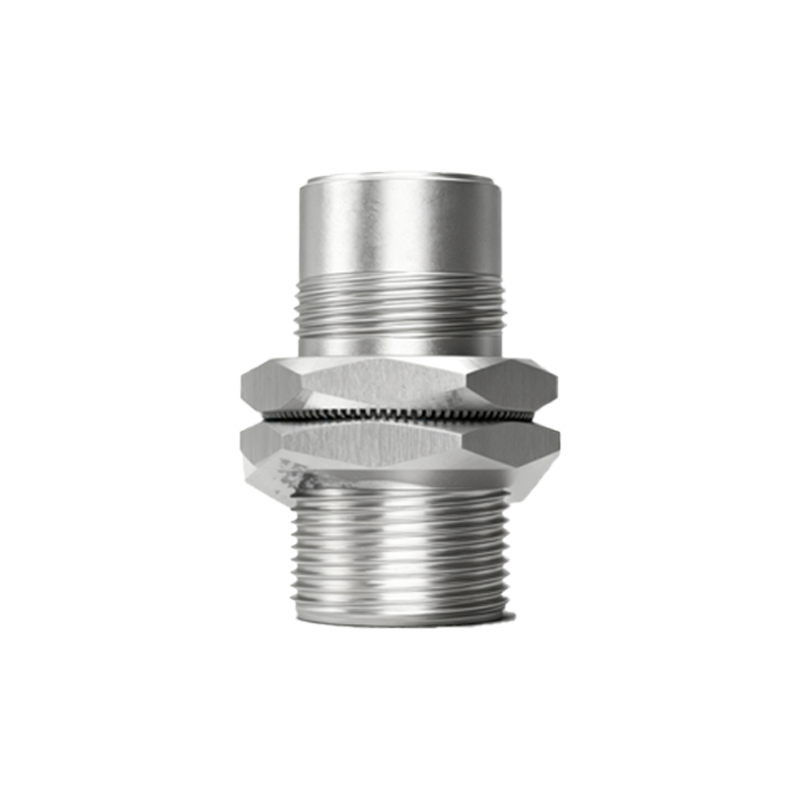
The benefits of opting for a tailored approach are substantial. First and foremost is enhanced performance and reliability. A sensor designed for the exact conditions of its duty will exhibit fewer false readings, reduced downtime, and a longer operational lifespan. This directly translates to lower total cost of ownership, despite a potentially higher initial unit cost. The reduction in unscheduled maintenance, production stoppages, and premature replacements offers significant long-term savings.
Secondly, customization enables design flexibility and integration. Sensors can be engineered to fit into confined spaces, match specific mounting patterns, or interface seamlessly with proprietary control architectures. This allows original equipment manufacturers (OEMs) to design more compact, efficient, and intelligent machines without being constrained by off-the-shelf sensor dimensions or capabilities.
Finally, it provides a distinct competitive advantage. Utilizing sensors fine-tuned for a specific application can improve product quality, increase production speed, and enable functionalities that are impossible with standard components. This technological edge can be a key differentiator in the market.
The process of customization is a collaborative partnership between the client and a capable sensor provider. It involves stages of requirement specification, prototyping, rigorous testing under simulated real-world conditions, and final production. Leading sensor manufacturers have embraced flexible engineering and modular design principles, allowing them to offer customized variants based on proven standard platforms. This approach reduces development time and risk while ensuring the core sensing technology remains robust and field-tested.
From automotive assembly lines requiring ultra-precise position detection of robotic arms, to packaging machinery needing reliable detection of transparent films, to heavy-duty mobile equipment operating in dusty, vibrating environments, the applications are endless. The pharmaceutical industry relies on customized sensors for sterile filling lines, while the semiconductor industry uses them in ultra-clean manufacturing environments.
In conclusion, as automation and smart manufacturing continue to advance, the one-size-fits-all approach to sensing is becoming increasingly inadequate. Customized standard proximity sensors represent the convergence of proven reliability and application-specific innovation. By investing in tailored sensing solutions, companies can achieve higher levels of efficiency, reliability, and integration, ultimately driving productivity and fostering innovation in an ever-more demanding industrial world. The future of sensing lies not just in the sensor itself, but in the ability to adapt it perfectly to the task at hand.