In the world of industrial automation, robotics, and smart systems, sensors act as the critical sensory organs, providing essential data for control and decision-making. Among the vast array of sensor types, contact sensors and proximity sensors are two fundamental categories often mentioned together, yet they operate on distinctly different principles and serve unique purposes. Grasping the distinction is crucial for selecting the right component for any application, ensuring reliability, efficiency, and cost-effectiveness.
A contact sensor, as the name explicitly states, requires physical contact or touch to detect the presence or absence of an object or to measure a physical property. These sensors typically function by completing or interrupting an electrical circuit upon making contact. A classic and simple example is a limit switch. When an object, such as a machine part, presses against the switch's actuator, it physically moves internal contacts to either open or close a circuit, sending a signal to the controller. Another common type is a tactile or force sensor, which measures the magnitude of force applied during contact. These are indispensable in applications like robotic grippers for delicate object handling, where the amount of pressure must be precisely controlled to avoid damage. The primary advantage of contact sensors is their simplicity and, often, high accuracy for direct measurements. However, their inherent need for physical interaction leads to mechanical wear and tear over time, potentially reducing lifespan. Furthermore, they are unsuitable for detecting fragile objects or in environments where contact could cause contamination or damage.
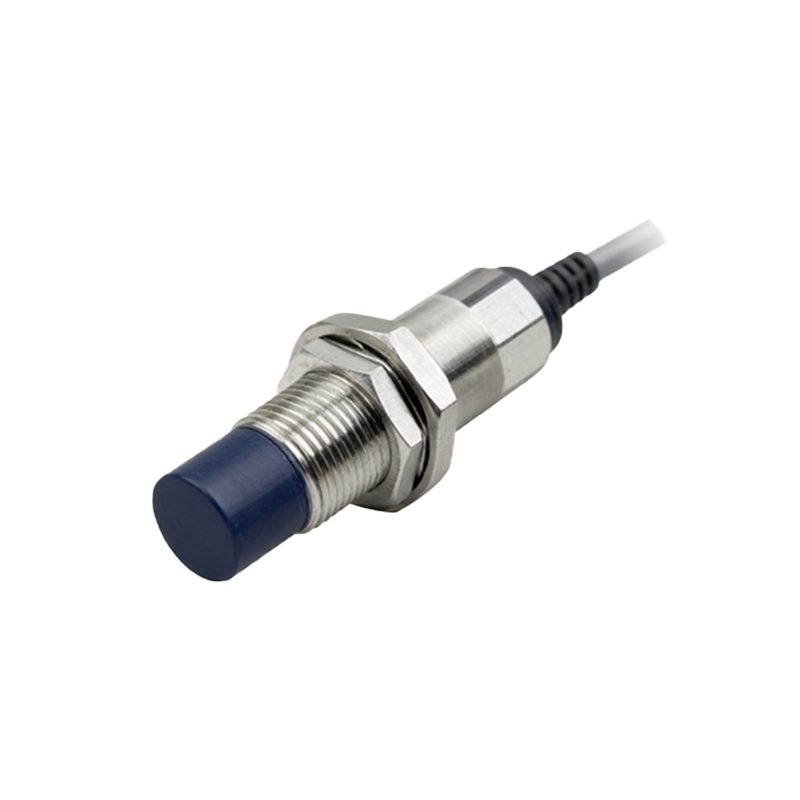
In stark contrast, a proximity sensor can detect the presence, absence, or distance of a nearby object without any physical contact. It achieves this by emitting a field or beam of electromagnetic radiation (like infrared light, ultrasonic sound waves, or a magnetic field) and analyzing the changes in the return signal or field. The most prevalent types include inductive, capacitive, ultrasonic, and photoelectric sensors. An inductive proximity sensor, for instance, generates an oscillating electromagnetic field. When a metallic object enters this field, it induces eddy currents within the object, which dampens the sensor's oscillation, triggering detection. These are perfect for detecting metal parts on a conveyor. A capacitive sensor can detect both metallic and non-metallic objects (like plastic, liquid, or wood) by measuring changes in capacitance. Ultrasonic sensors use sound waves to measure distance, while photoelectric sensors use light beams. The key benefit of proximity sensors is their non-contact nature, leading to virtually no wear, higher durability, and the ability to detect objects that are fragile, hot, or otherwise unsuitable for touch. They also enable faster detection speeds suitable for high-throughput automation. The trade-offs can include higher cost, sensitivity to environmental factors (like dust affecting optical sensors), and sometimes less precision in exact positioning compared to a physical limit switch.
The choice between a contact and a proximity sensor hinges entirely on the specific application requirements. Contact sensors are the go-to solution where physical actuation is acceptable or even required. They are ubiquitous as safety interlocks on machine guards, door switches in elevators and security systems, and as simple position verifiers. Their straightforward operation makes them reliable for harsh environments where sensor contamination might be an issue for optical types, as a physical push can often break through light grime.
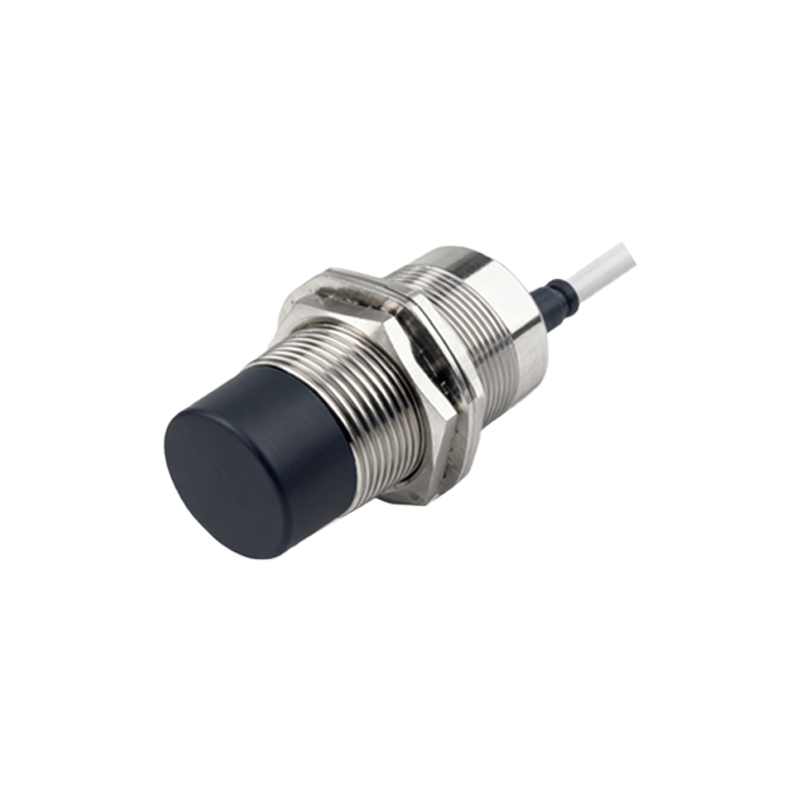
Proximity sensors dominate in modern automated manufacturing and smart devices. On assembly lines, they count products, verify part placement, and control robotic movements without slowing down the process. Inductive sensors are workhorses in metal machining. Capacitive sensors monitor fluid levels in tanks. In consumer electronics, the proximity sensor in your smartphone turns off the screen during a call to prevent accidental touches. The automotive industry uses them for parking assistance, blind-spot detection, and automatic tailgates.
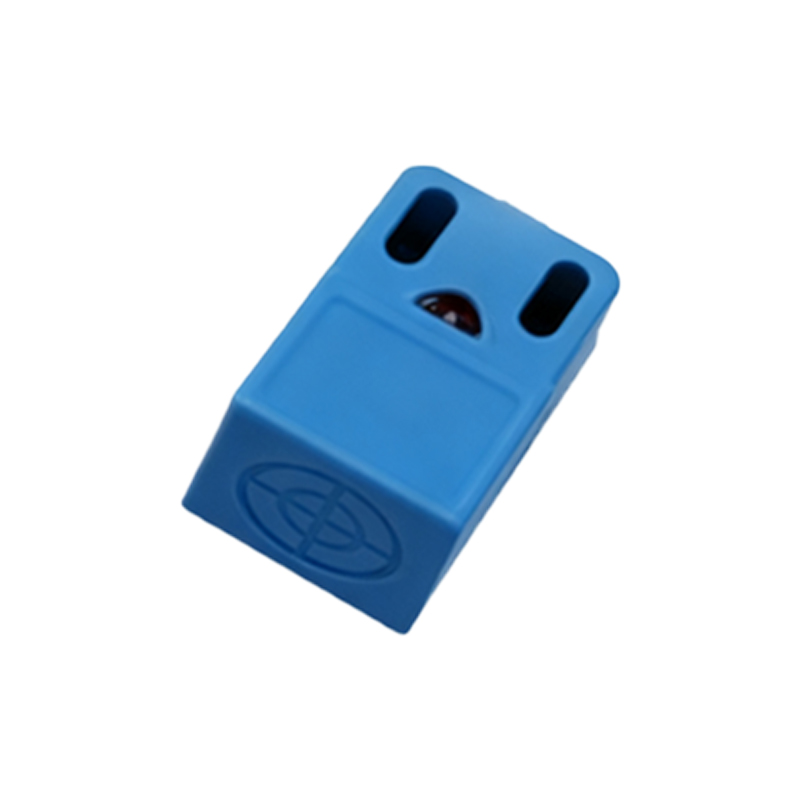
In conclusion, while both contact and proximity sensors fulfill the core role of object detection, their methodologies are opposites: one relies on tangible touch, the other on invisible fields. The former offers rugged simplicity, the latter offers versatile, wear-free operation. Engineers and designers must evaluate factors like target material, required precision, environmental conditions, cost constraints, and the necessity of physical interaction. Understanding the fundamental operational divide between contact and proximity sensing is the first step toward building more responsive, efficient, and intelligent automated systems. The correct sensor choice, seamlessly integrated, becomes a silent but pivotal contributor to system success.