In the realm of industrial automation and precision measurement, the air gap proximity sensor stands as a critical component for non-contact detection and monitoring. Unlike traditional contact sensors, these devices operate by detecting the presence or absence of a target object within a specific, small distance—the "air gap"—without any physical touch. This fundamental principle enables high reliability, reduced mechanical wear, and the ability to function in harsh environments where contamination or physical impact is a concern.
The core technology behind most air gap proximity sensors is based on electromagnetic or capacitive sensing principles. Inductive sensors, the most common type, generate an oscillating electromagnetic field from a coil. When a metallic target enters this field, eddy currents are induced in the target, which dampens the oscillation of the sensor's circuit. This change is detected and converted into a switching signal. The effective sensing range is precisely defined by this air gap, which is typically very short, often just a few millimeters. Capacitive sensors operate similarly but can detect both metallic and non-metallic materials by sensing changes in capacitance caused by the target object altering the electrical field.
The applications for air gap proximity sensors are vast and varied across industries. In automotive manufacturing, they are indispensable for precise positioning control in robotic assembly arms, ensuring components like pistons or valves are correctly seated. Within the aerospace sector, these sensors monitor critical clearances between rotating turbine blades and their casings, where even micron-level variations can indicate wear or potential failure. Packaging machinery relies on them to detect the presence of labels, caps, or products on high-speed conveyor lines, triggering subsequent actions like filling or sealing. They also play a vital role in semiconductor fabrication equipment, where ultra-clean, non-contact sensing is mandatory to prevent contamination of delicate wafers.
Selecting the right air gap proximity sensor requires careful consideration of several key parameters. First, the sensing distance, or nominal range, must be matched to the application's required air gap. It is crucial to note that the effective sensing distance can be influenced by the target material's properties, such as the type of metal for inductive sensors. The size and shape of the sensor itself, often cylindrical or rectangular, must fit the mechanical installation constraints. Environmental factors are paramount; sensors may need specific ingress protection (IP) ratings for dust and water resistance, and the ability to withstand extreme temperatures, oils, coolants, or strong electromagnetic interference. Output type is another decision point, with common options being digital (PNP/NPN) for simple on/off control or analog (4-20 mA, 0-10V) for providing continuous distance measurement. Finally, the switching frequency, or response time, must be fast enough to keep up with the speed of the process.
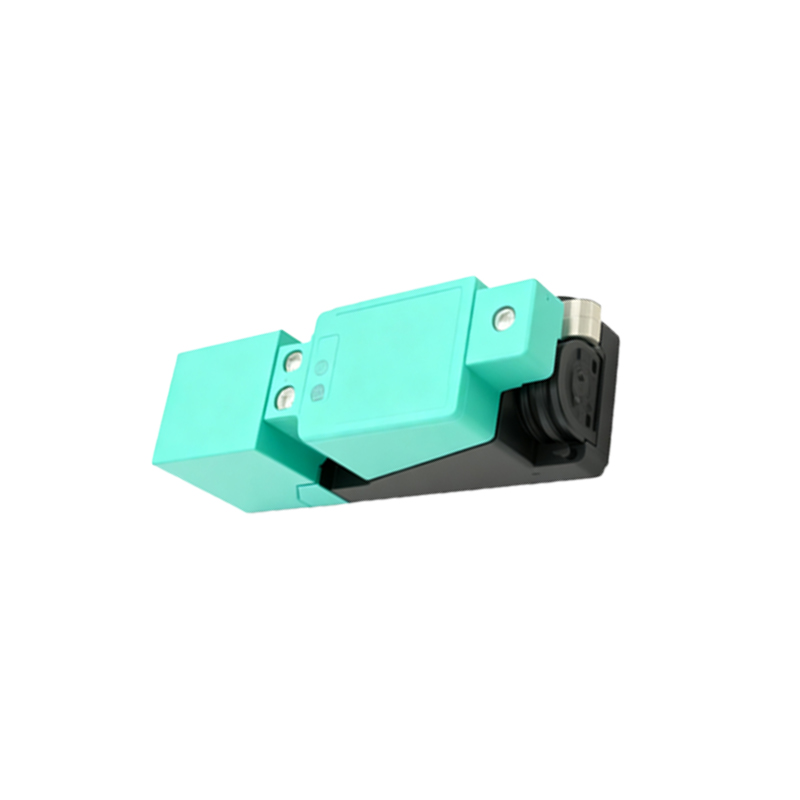
Installation and alignment are critical for optimal performance. The sensor must be mounted securely to prevent vibration from affecting the consistent air gap. The target should approach the sensing face perpendicularly for the most reliable operation. For cylindrical sensors, manufacturers often specify a "non-flush" or "flush-mountable" design; non-flush types have a longer range but require more surrounding free space, while flush-mounted sensors can be embedded in metal without affecting their function, albeit with a shorter range. Regular maintenance, though minimal, involves keeping the sensing face clean from debris, oil, or metallic dust buildup that could falsely trigger or inhibit the signal.
Future trends point toward the increasing integration of smart features and industrial networking capabilities. Modern IO-Link enabled air gap sensors can communicate detailed diagnostic data, such as temperature readings, signal strength, or operating hours, to a central control system, facilitating predictive maintenance. There is also a continuous drive toward miniaturization, allowing these sensors to be installed in ever-tighter spaces, and enhanced precision for applications in micro-assembly and nanotechnology.
In conclusion, the air gap proximity sensor is a deceptively simple yet profoundly important tool in modern industrial systems. Its ability to provide reliable, non-contact detection within a precise distance window makes it the silent guardian of efficiency, quality, and safety in countless automated processes. A thorough understanding of its operating principles, coupled with a methodical approach to selection and installation, ensures that this versatile component delivers maximum value and reliability on the factory floor.